Mechanical Stainless Steel Finishes — Defined by Grain, Shaped by Reflection
- Share
Mechanical Stainless
Steel Finishes
Defined by Grain. Shaped by Reflection.
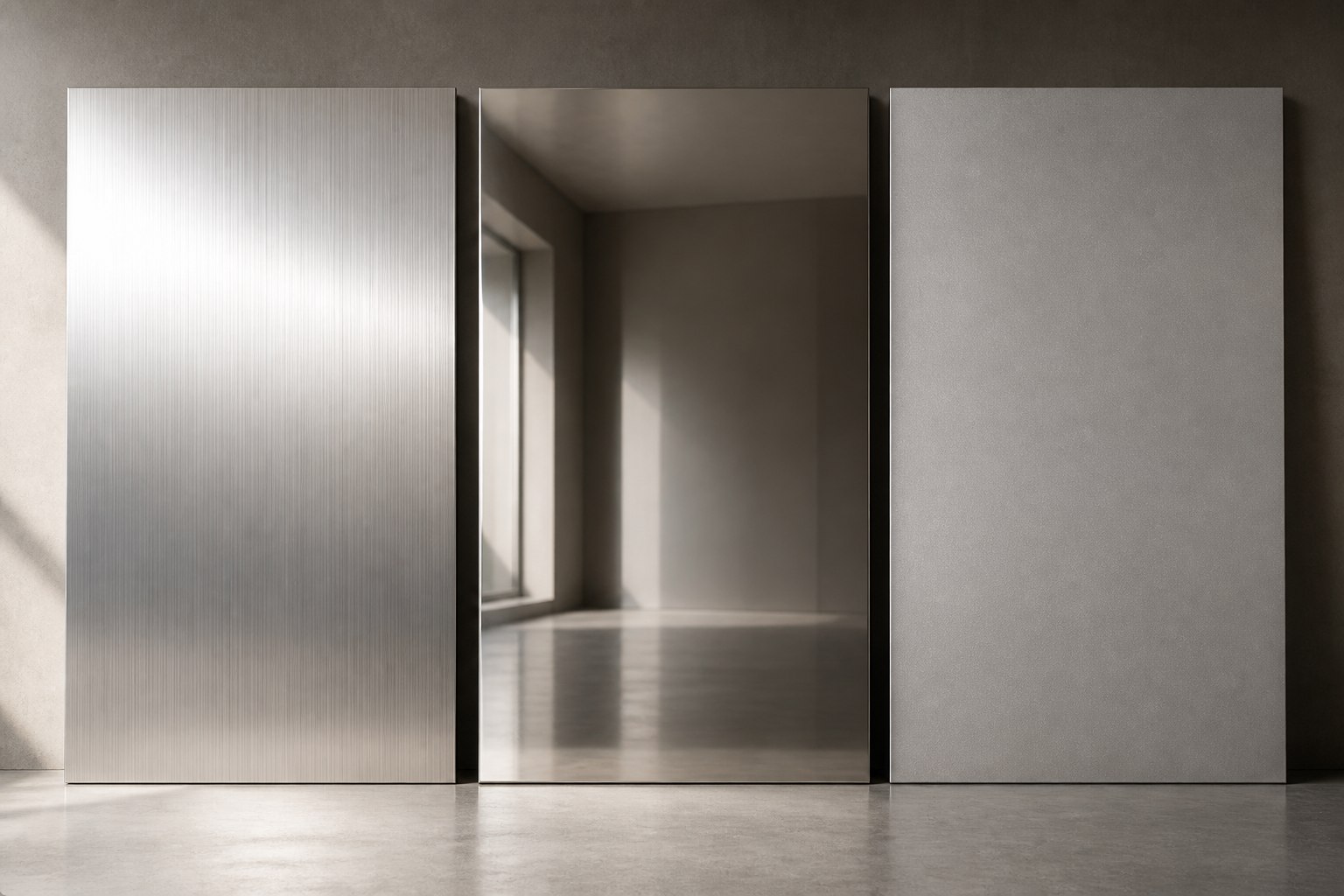
From controlled directional grain to high-polished reflection and soft matte surfaces, MetalMagus mechanical finishes create distinct stainless steel expressions through precision surface processing.
Three Ways Stainless Steel Responds to Light.
Mechanical finishing changes the way stainless steel interacts with light — without relying on applied colour or printed pattern.
Grain direction, polishing level and surface texture determine whether the material appears controlled and linear, highly reflective, or soft and matte.
These characteristics make mechanical finishes a fundamental starting point for architectural stainless steel specification.
Choose Your Surface Character.

Brushed Stainless Steel
Controlled Grain
Directional or non-directional mechanical finishing creates a refined metallic surface with controlled reflection and visible texture. Available as Hairline, No.4 and Vibration.
Mirror Polished Stainless Steel
Maximum Reflection
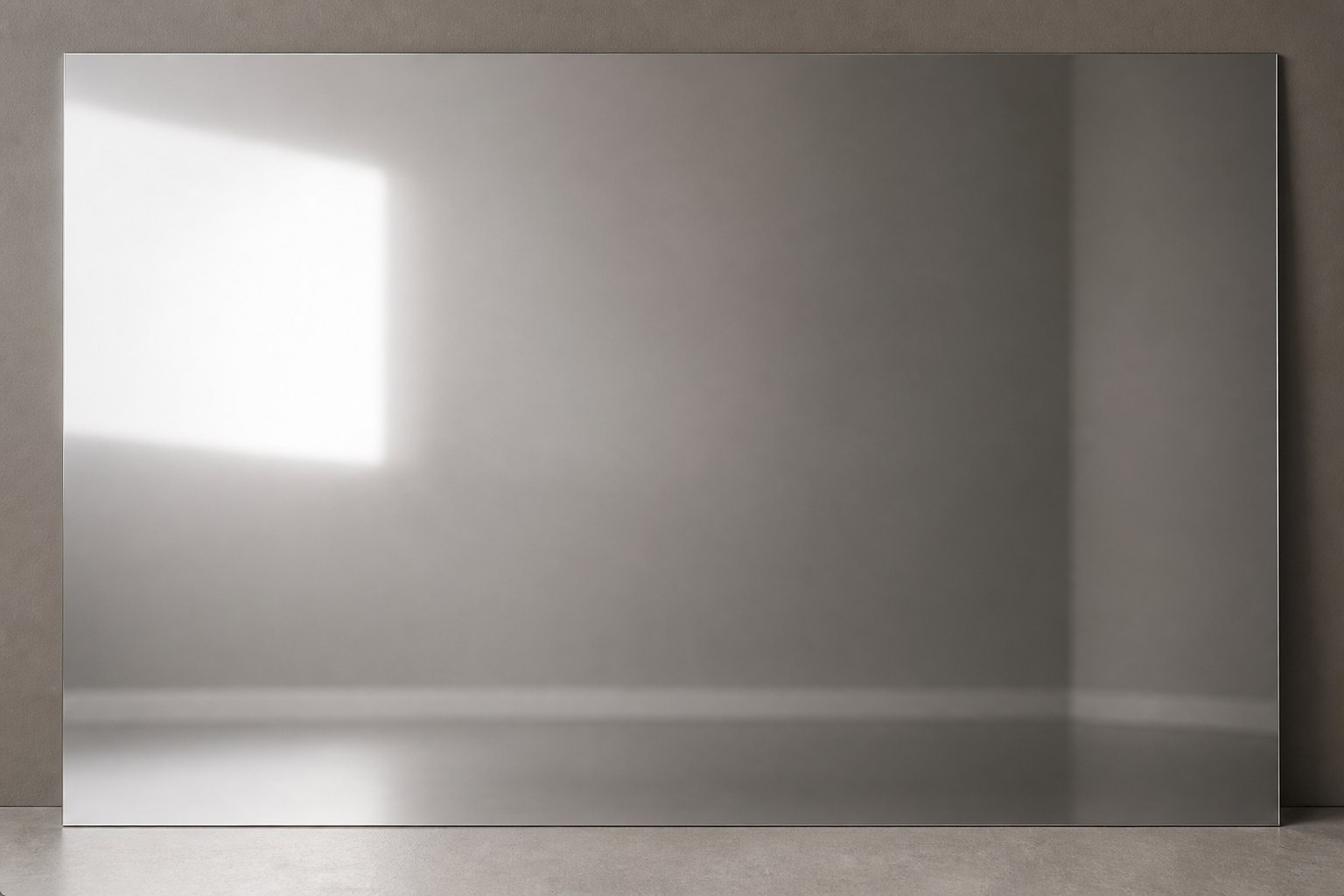
High-level polishing creates a highly reflective stainless steel surface that amplifies light, depth and surrounding architecture. Produced to 8K and Super 8K polishing standards.

Bead Blasted Stainless Steel
Soft Matte
Fine blasting creates a low-reflection surface with a soft, uniform visual character suited to restrained architectural applications. Available with zirconium or ceramic media.
Grain. Reflection. Character.
A side-by-side comparison of how each mechanical finish behaves — so the difference is clear before you open a single product page.
| Brushed | Mirror | Bead Blasted | |
|---|---|---|---|
| Grain | Visible | Minimal | Diffused |
| Reflection | Low – Medium | High | Low |
| Visual Character | Linear / Controlled | Bright / Spatial | Soft / Matte |
| Light Response | Directional | Reflective | Diffused |
| Best For | Architectural surfaces | Feature surfaces | Restrained surfaces |
The Same Metal. Three Different Responses.
The same panel, the same light, the same viewing angle — and three completely different results. This is what changes when the mechanical finish changes.
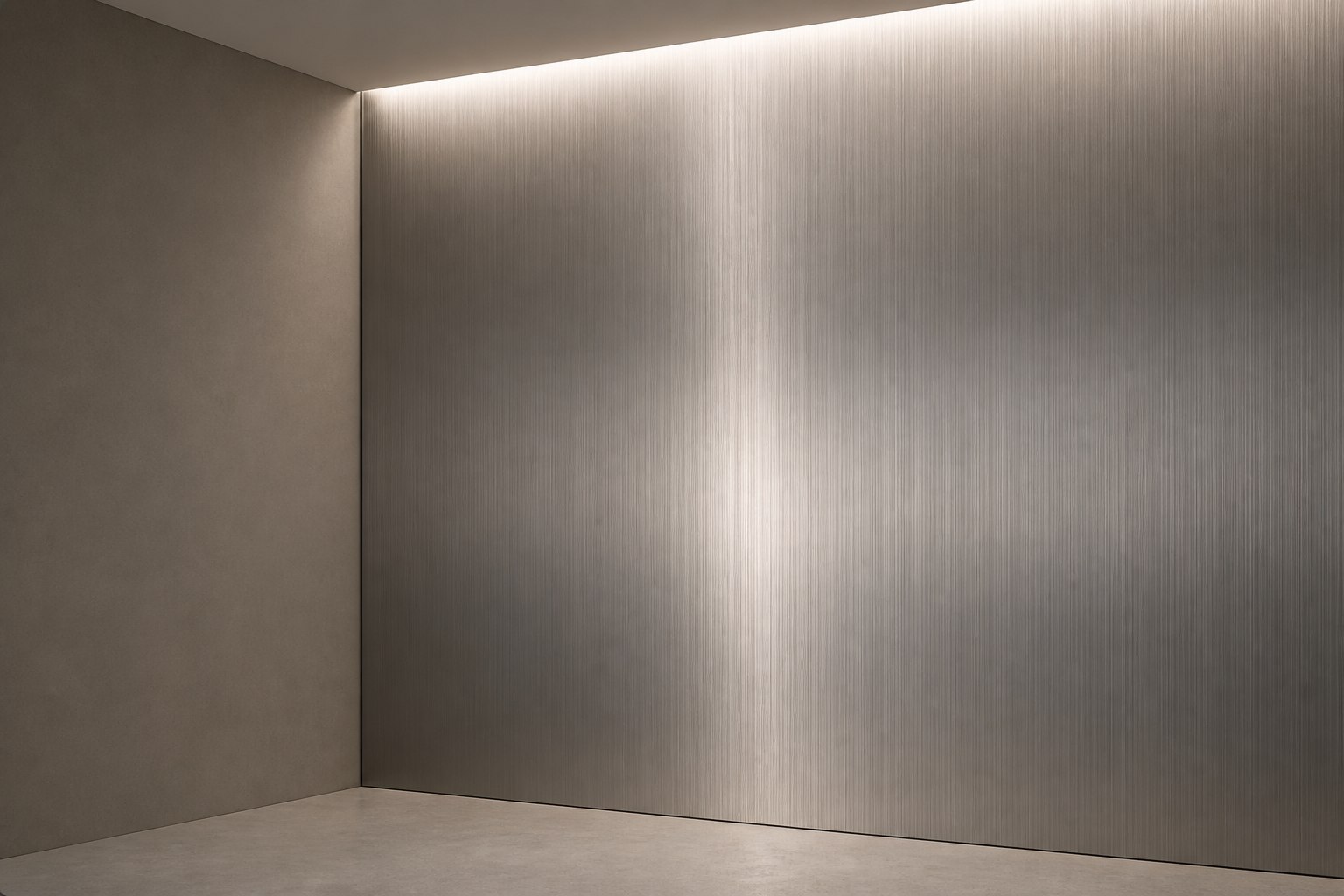
Brushed × Light
Directional
Grain catches light along a controlled direction, creating subtle movement without strong reflection.
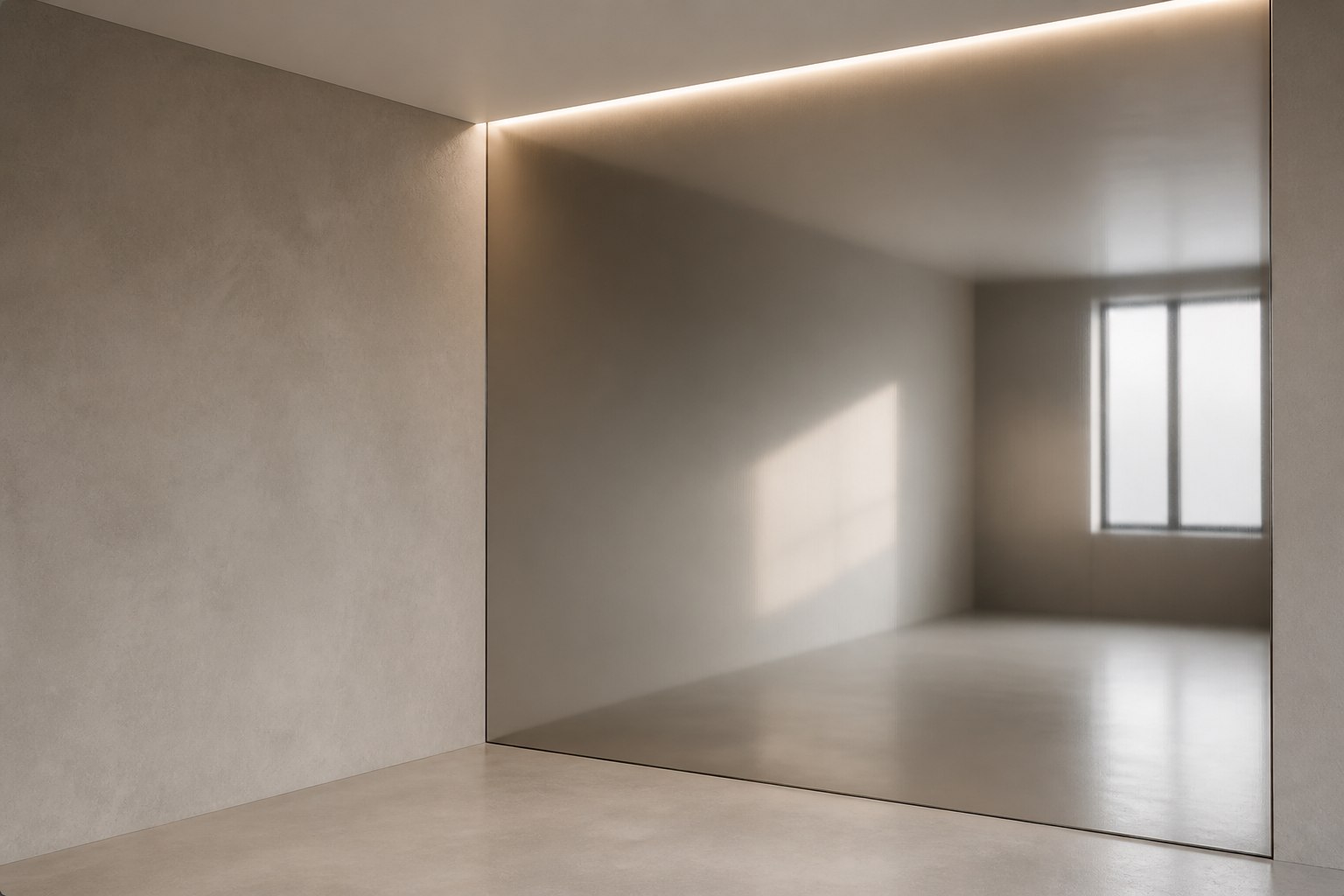
Mirror × Light
Reflective
Polished stainless steel captures surrounding light and architecture, visually expanding the surface beyond itself.
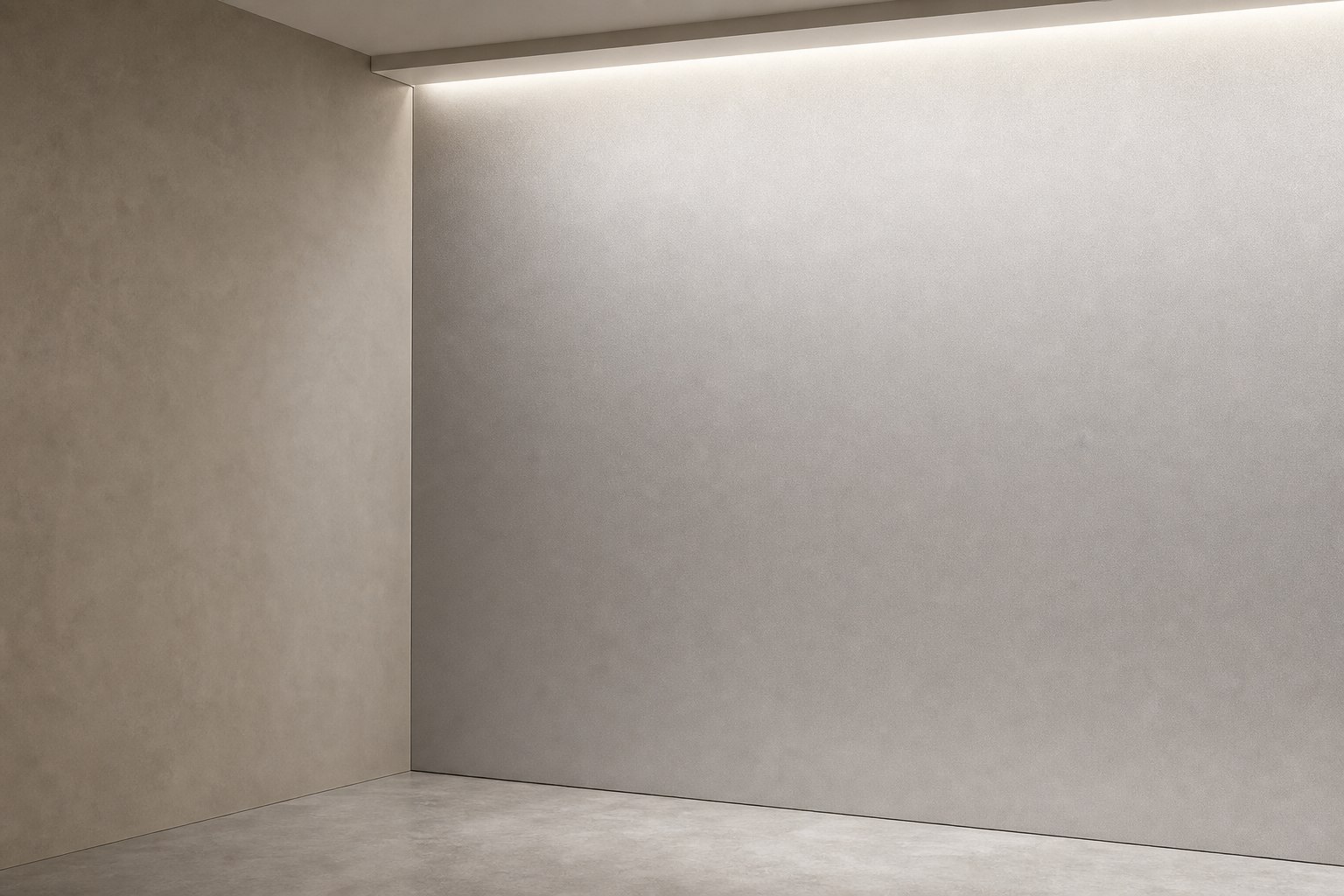
Bead Blasted × Light
Diffused
Fine surface texture scatters reflection, creating a softer and more uniform metallic appearance.
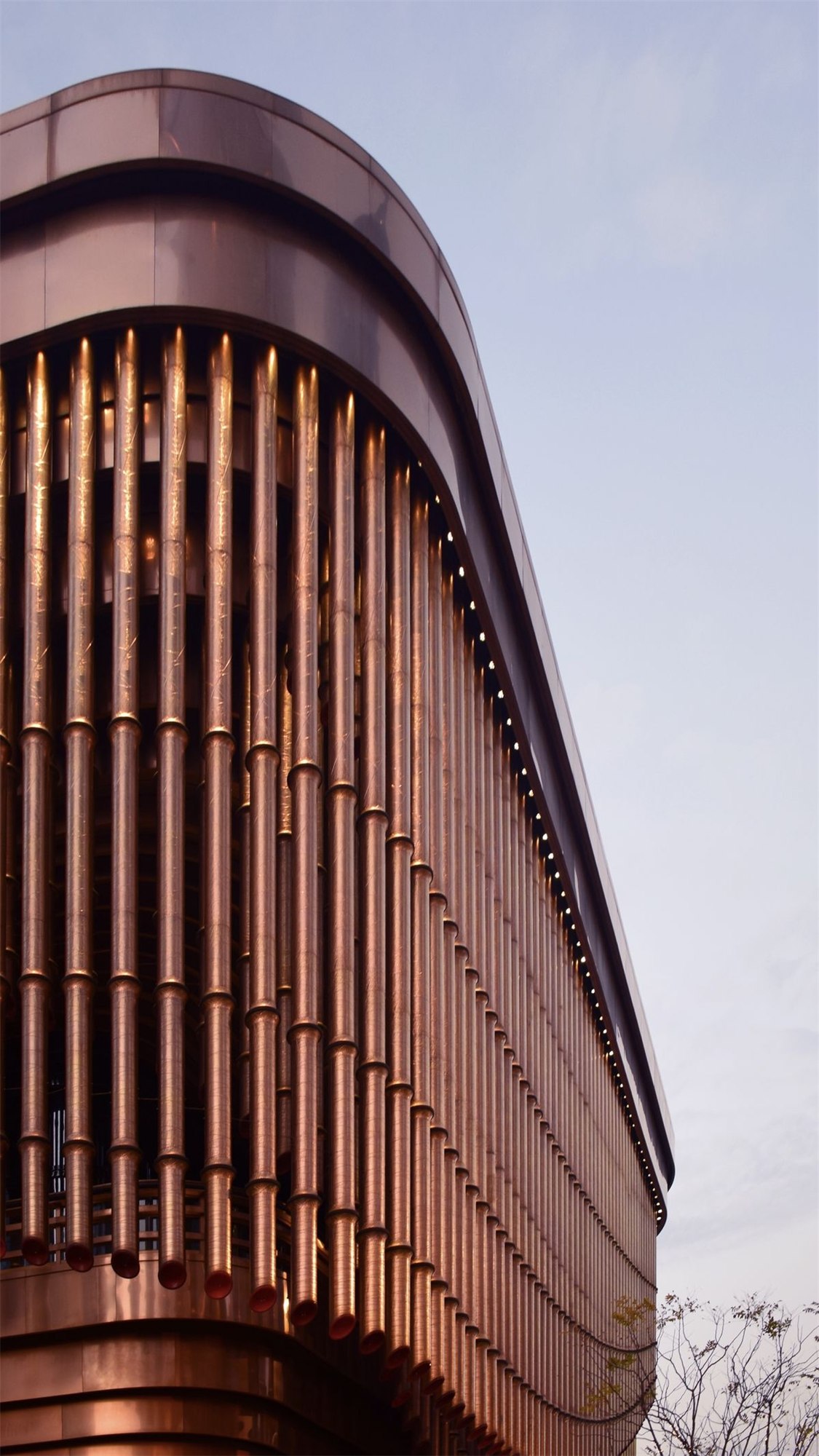
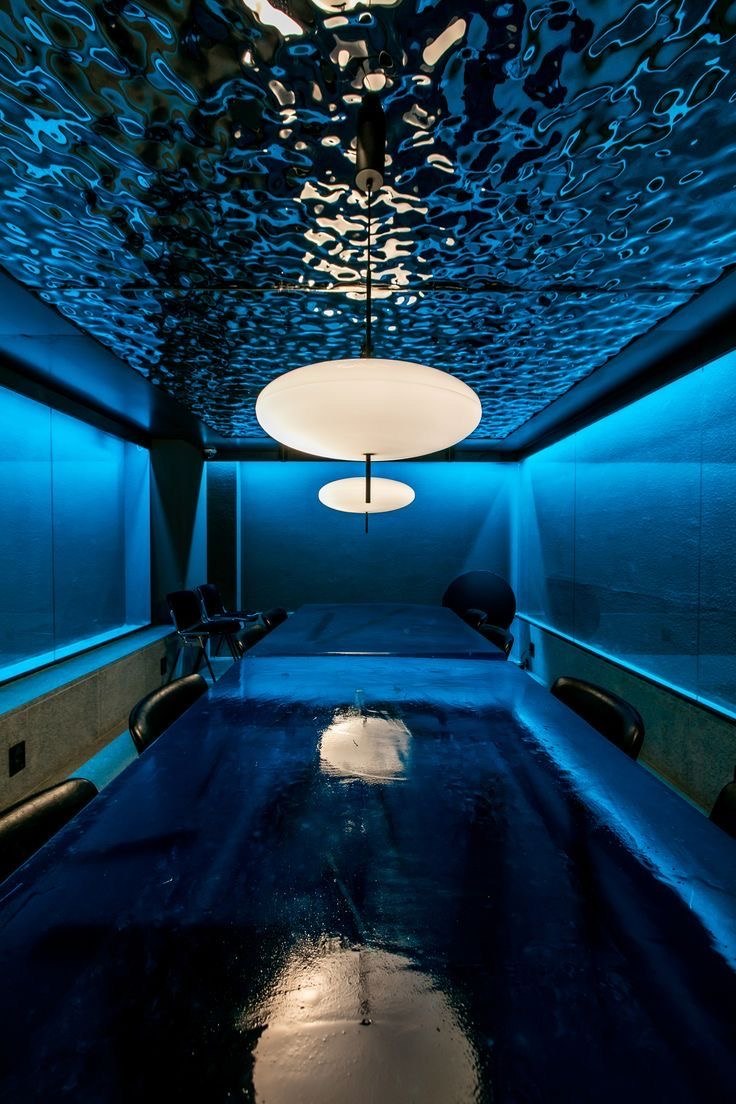
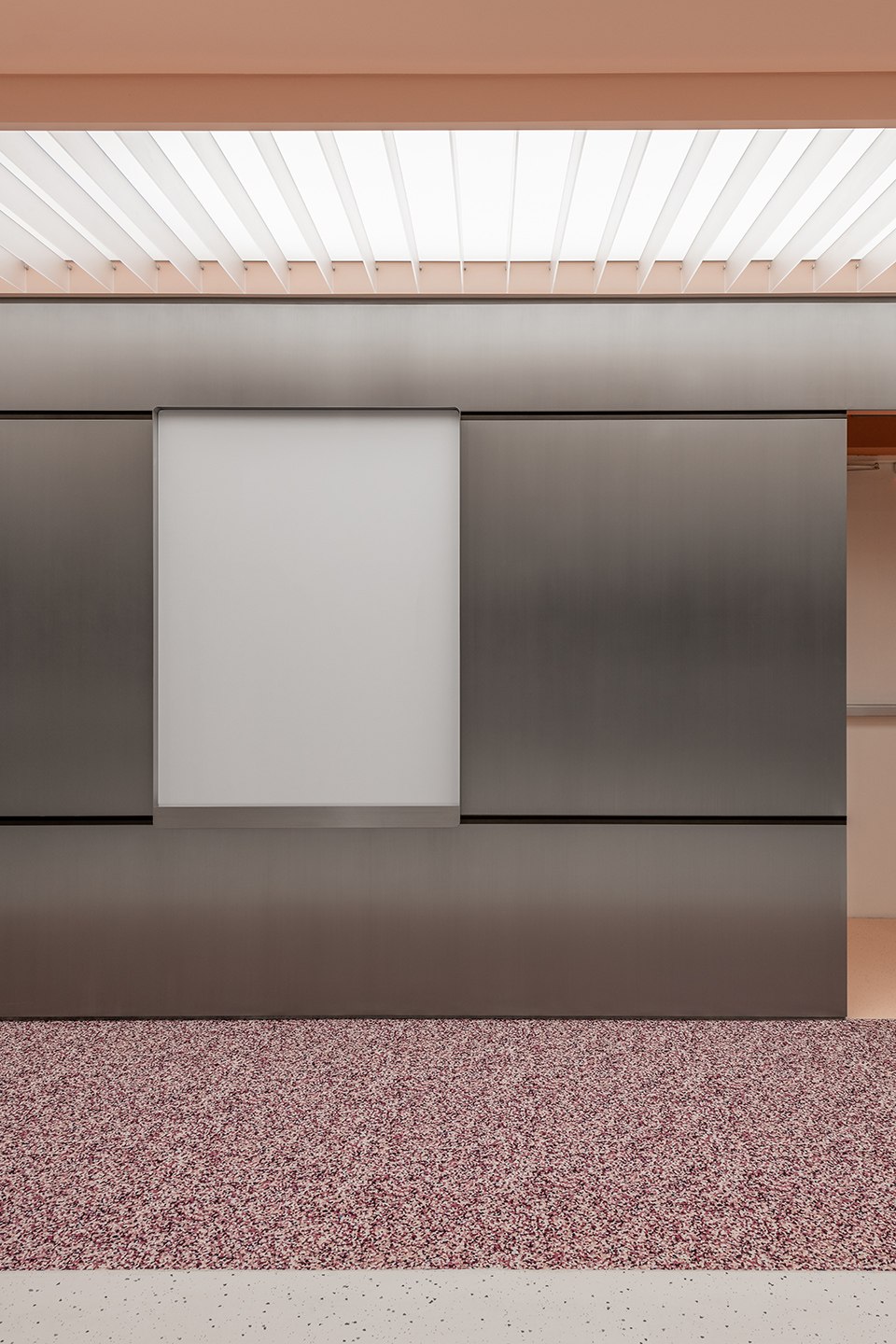
From Material Character to Spatial Expression.
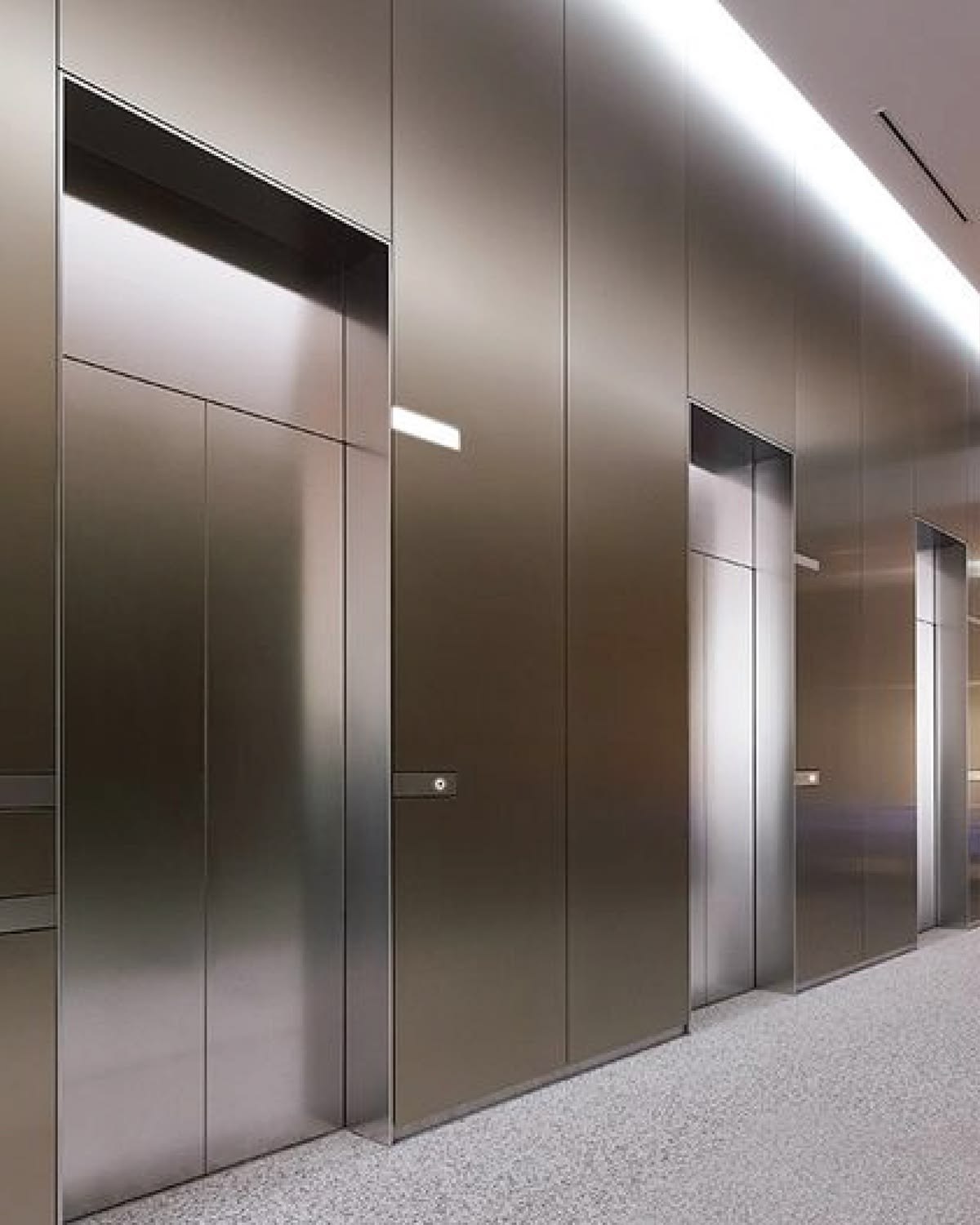
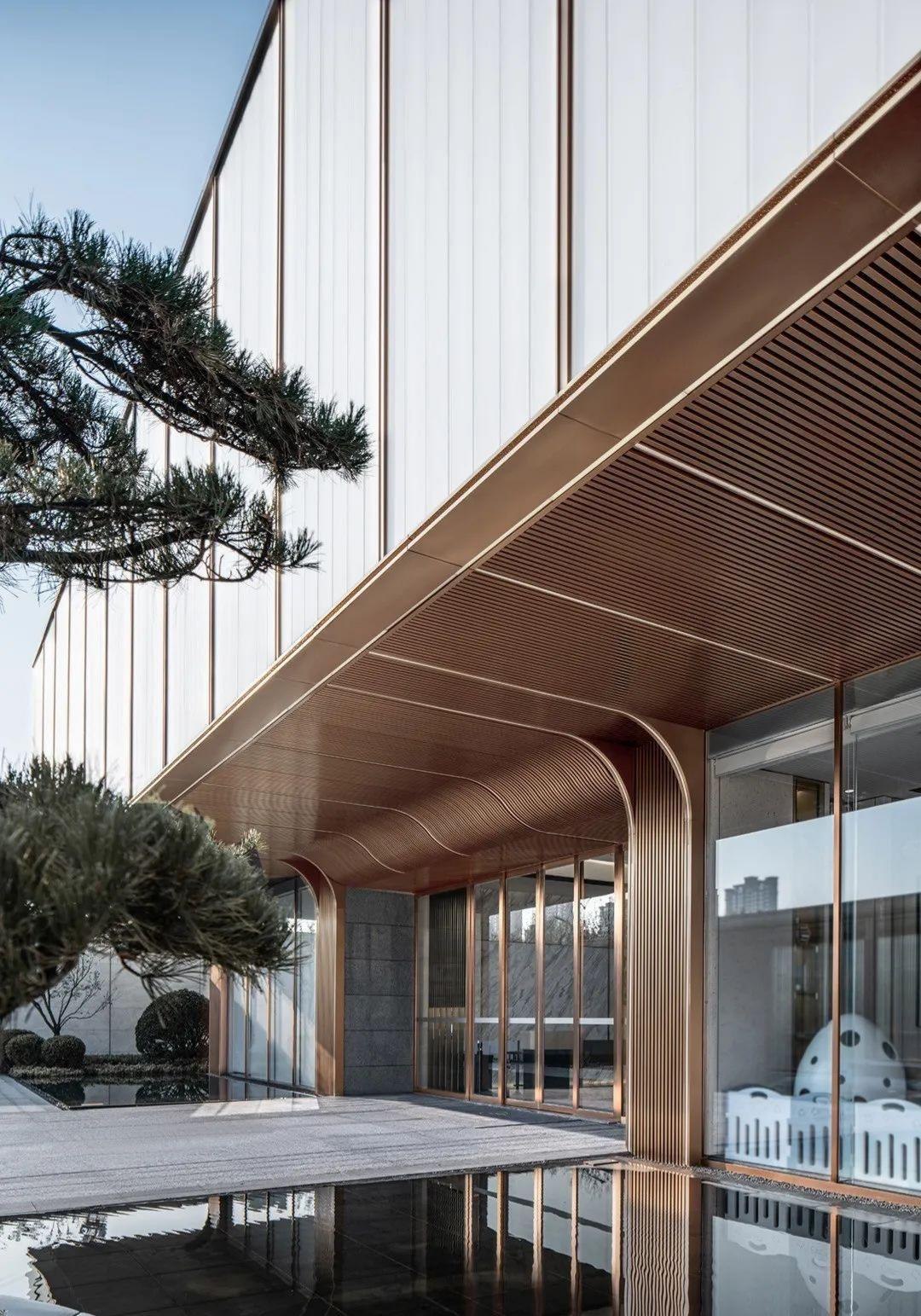
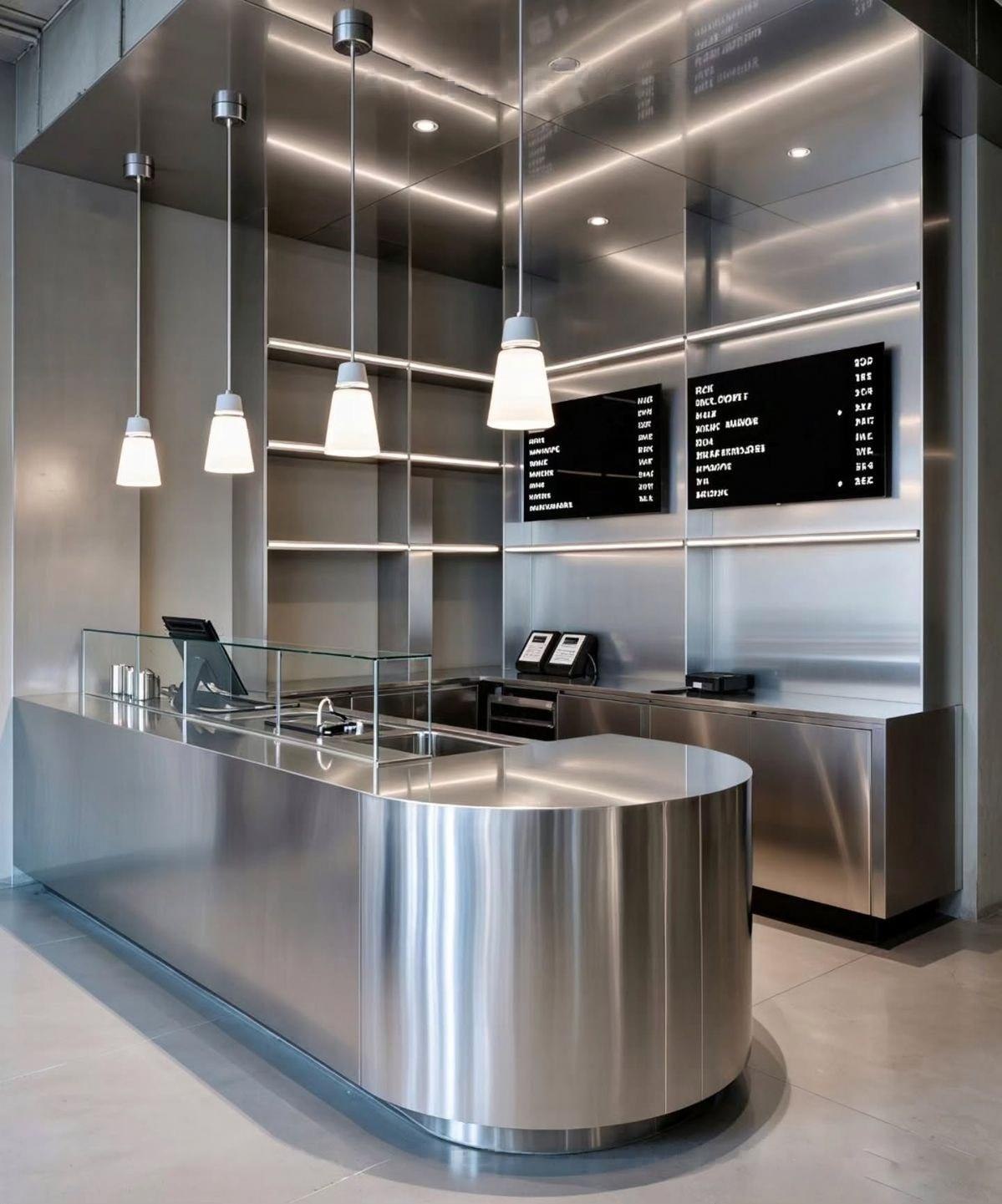
Six application families, each matched to the mechanical finishes that suit its scale, viewing distance and light conditions.
Choose by Reflection, Use and Environment.
Three questions resolve most mechanical finish decisions.
What should the surface do with light?
Controlled reflection → Brushed
Maximum spatial reflection → Mirror
Soft, diffused appearance → Bead Blasted
How close will people get?
At close range and high frequency, consider grain visibility, touch marks, maintenance and lighting condition.
Which grade suits the environment?
304 — suitable for most architectural interior applications.
316L — recommended where greater corrosion resistance is required. Exterior projects are confirmed against the specific environment.
Consistency Starts with the Approved Sample.
Mechanical finishes are defined not only by their finish name, but by grain, reflectivity and the visual consistency achieved across production.
Project samples establish the approved surface reference before larger-scale production begins.
Grain
Direction & Visual Uniformity
Reflection
Surface Appearance
Flatness
Controlled for the applicable product form
Sample Approval
Visual reference before production
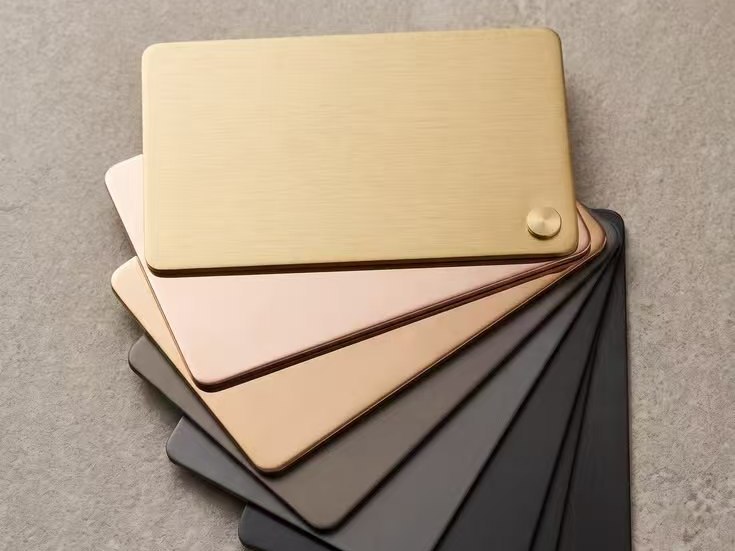
Continue Building the Material Palette.
See the Difference Before You Specify.
Tell us the visual character, application and material requirements of your project. Our team can help compare mechanical finishes and prepare samples for evaluation.
Request a Sample Send Your Project Requirements
304 · 316L · Brushed · Mirror · Bead Blasted
From Surface to Space.