Mirror Polished Stainless Steel — Reflection Becomes Part of the Architecture
- Share
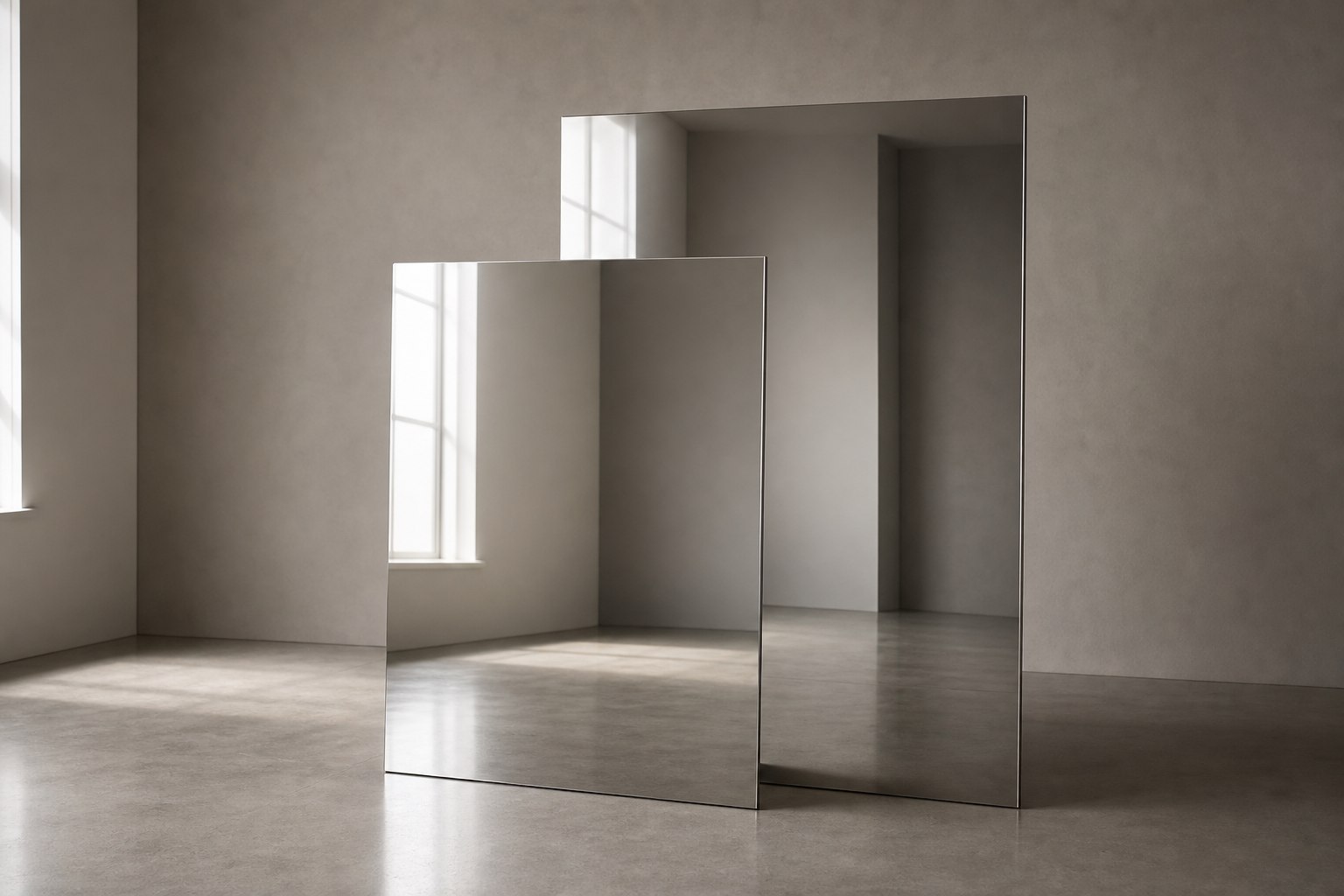
Mirror Polished
Stainless Steel
Reflection Becomes Part of the Architecture.
Highly polished stainless steel surfaces engineered for architectural applications where reflection, visual depth and material precision define the design.
More Than a Polished Surface.
Mirror-polished stainless steel transforms a solid metal surface into a reflective architectural plane.
As polishing increases surface clarity, surrounding light, colour and geometry become increasingly visible within the material itself.
The architectural result therefore depends not only on gloss, but also on surface quality, flatness, panel geometry and the environment being reflected.
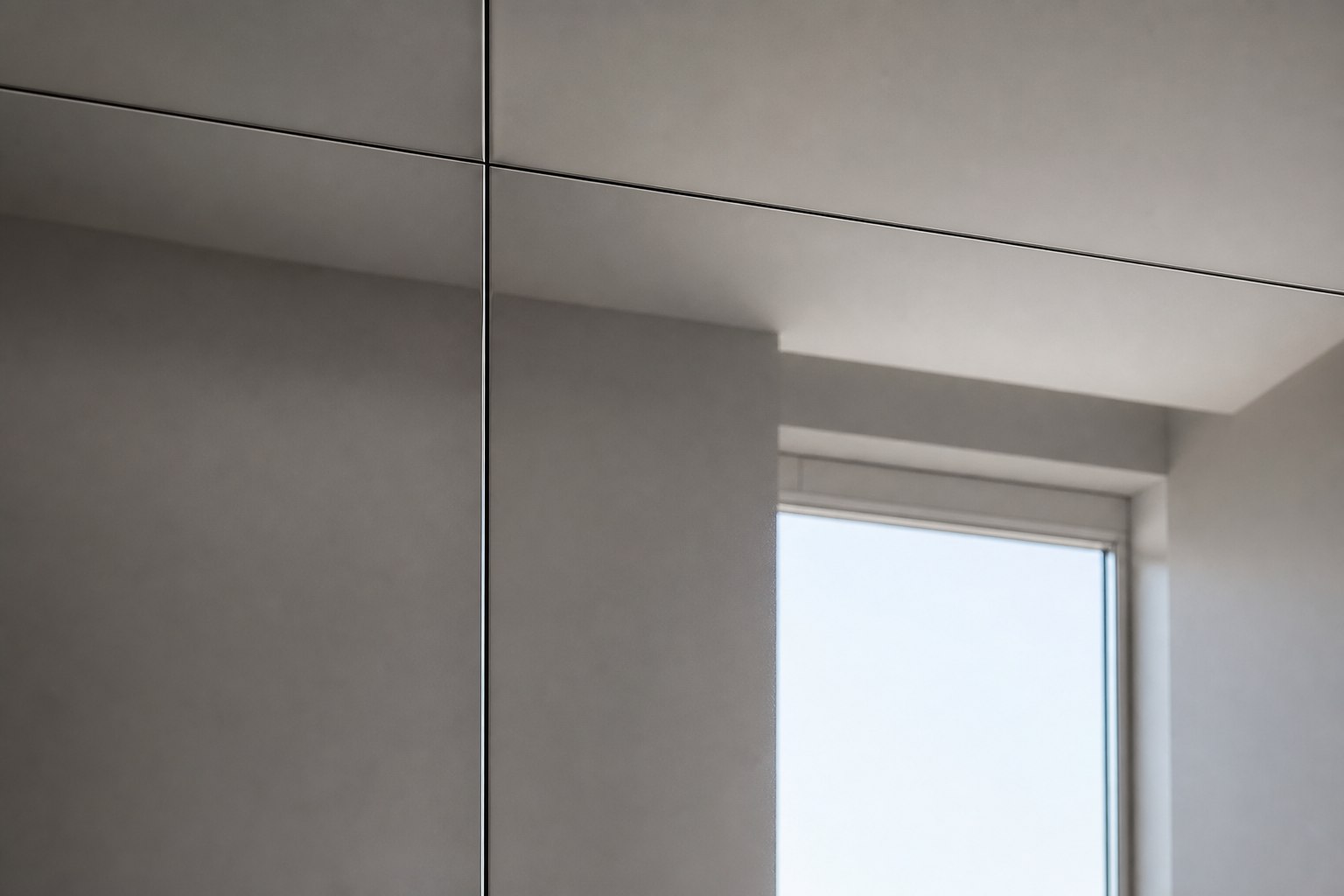
Choose the Level of Reflection.
8K Mirror
High Reflection
A highly polished stainless steel surface developed for strong reflectivity and a clean architectural appearance.
Reflective · Bright · Architectural
Super 8K Mirror
Enhanced Clarity
A refined high-polish surface developed where greater visual clarity and a more precise reflected appearance are required.
High Clarity · High Polish · Premium
Custom Mirror Development
Project-Specific
Mirror surface requirements can be coordinated around project application, material grade, panel size and subsequent fabrication.
Coordinated to project
Not All Mirror Surfaces Reflect the Same.
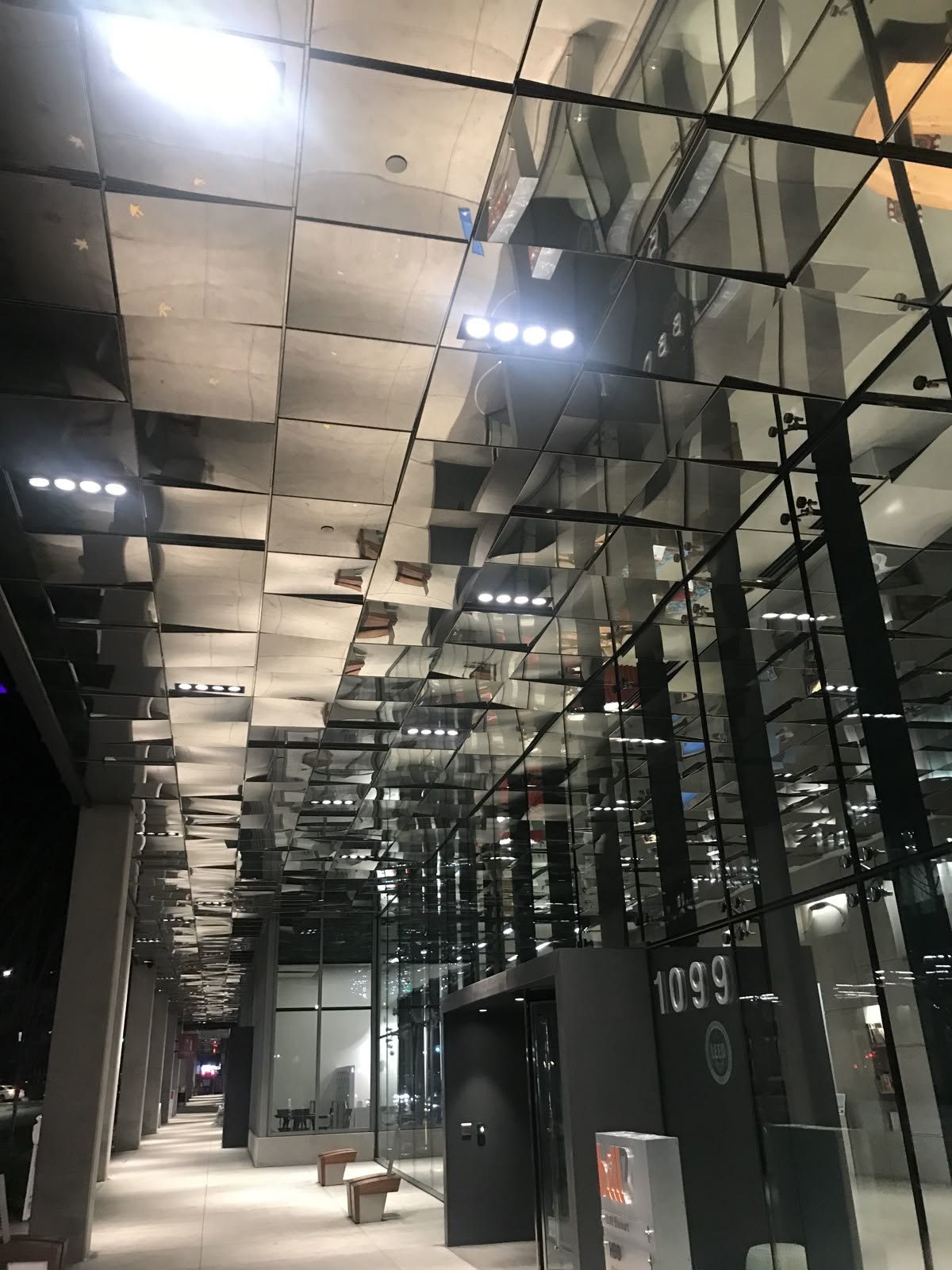
A mirror finish may appear highly polished at close range while still producing visible distortion across a larger architectural plane. For architectural applications, the quality of reflection must therefore be considered together with the condition of the sheet itself.
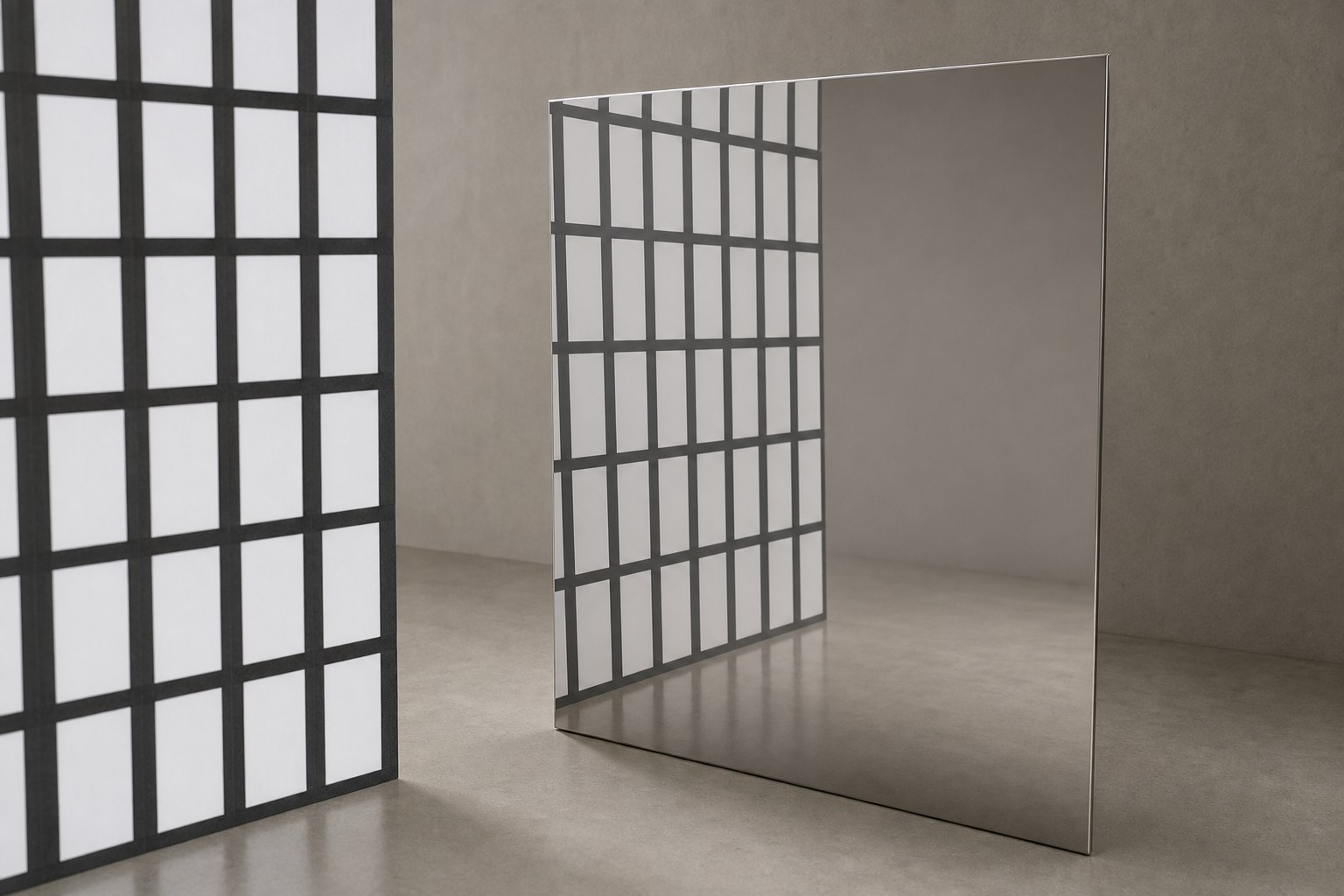
A simple test makes the difference visible: place a mirror sheet in front of a black and white architectural grid and photograph the reflection.
A surface with good reflection quality returns the grid as straight, evenly spaced lines. A surface with visible waviness returns lines that bend or break across the panel.
This is a test of the sheet, not of a competitor. It is the reason reflection quality is specified as a system result rather than as a shine value.
How clearly is the environment reflected?
Surface polishing influences the sharpness and visual definition of reflected objects.
How stable are reflected lines?
Surface waviness can become visible when straight architectural elements are reflected across larger panels.
How does reflection move across multiple panels?
Panel alignment and installation influence whether the reflected environment reads as continuous or fragmented.
Reflection Changes How Space Is Perceived.
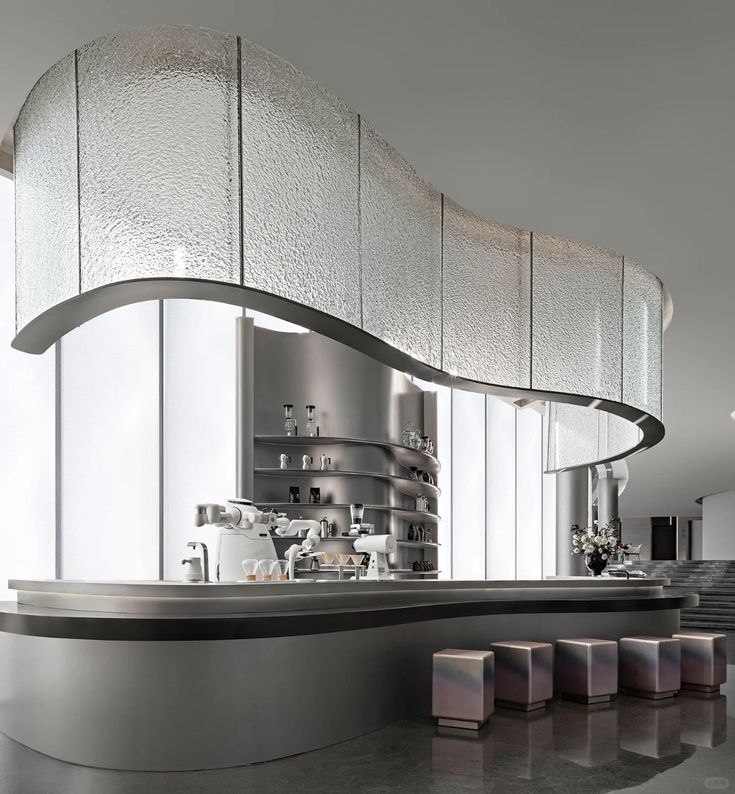
Mirror stainless steel does more than reflect objects. It changes the perceived boundary, brightness and depth of architectural space.
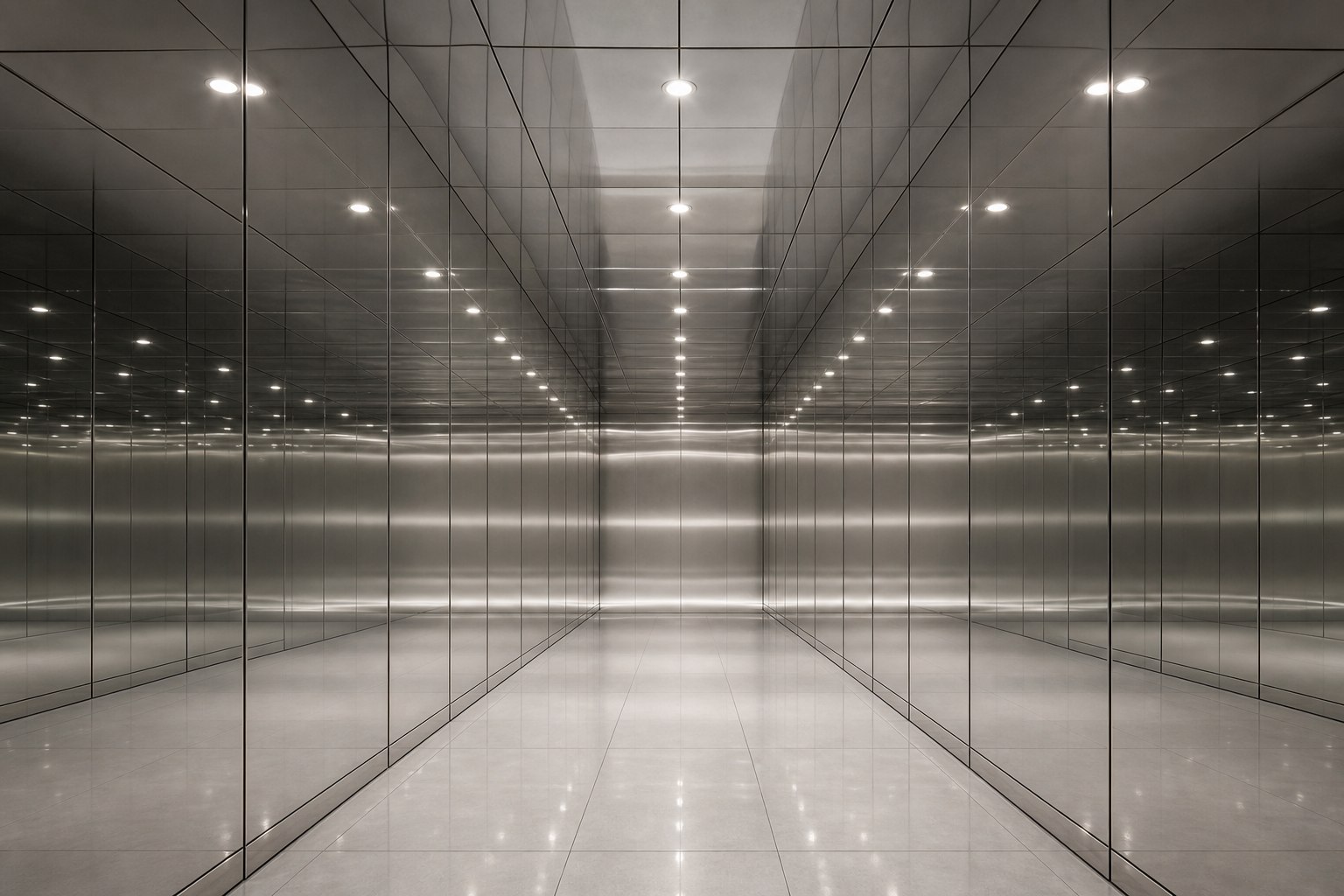
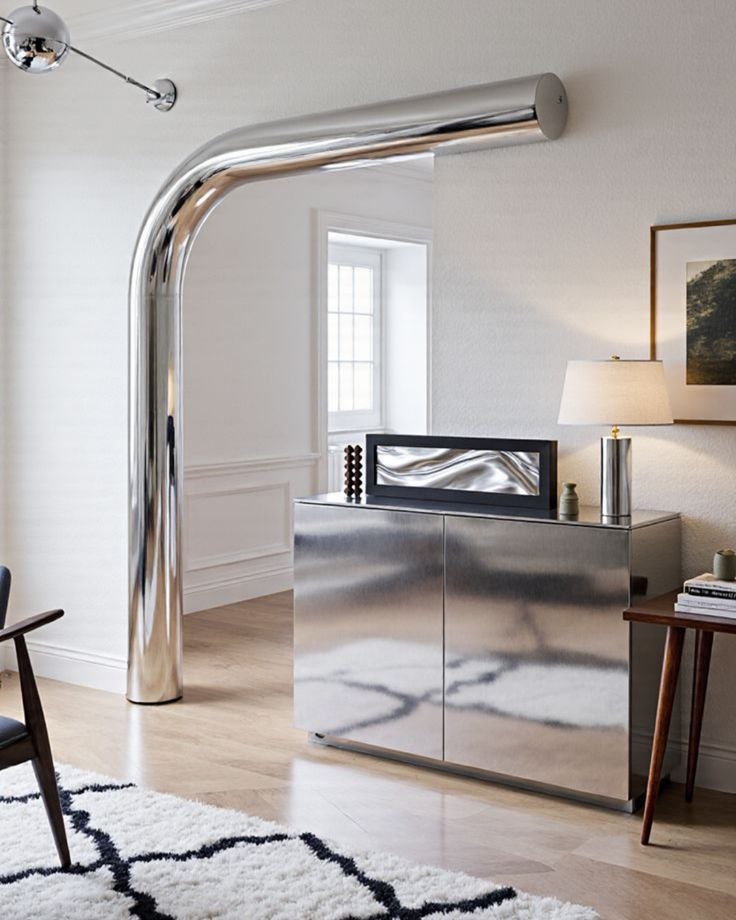
Mirror × Compact Space
Expanded Depth
Reflection visually extends surrounding geometry beyond the physical surface.
Mirror × Light
Amplified Brightness
Light becomes part of the material expression as it moves across the reflective plane.
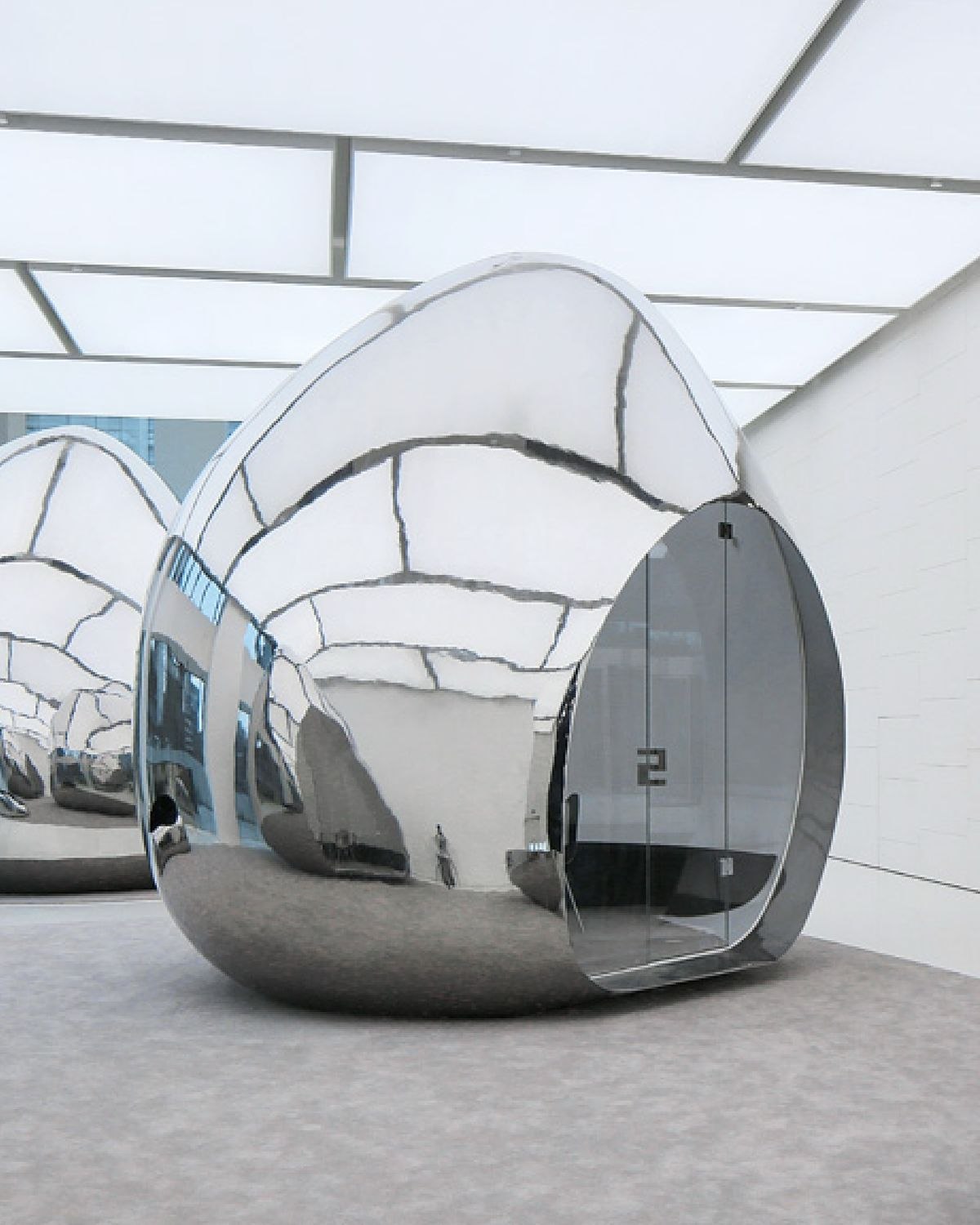
Mirror × Curved Form
Fluid Reflection
Curved geometry transforms reflection into a more dynamic and continuously changing visual effect.
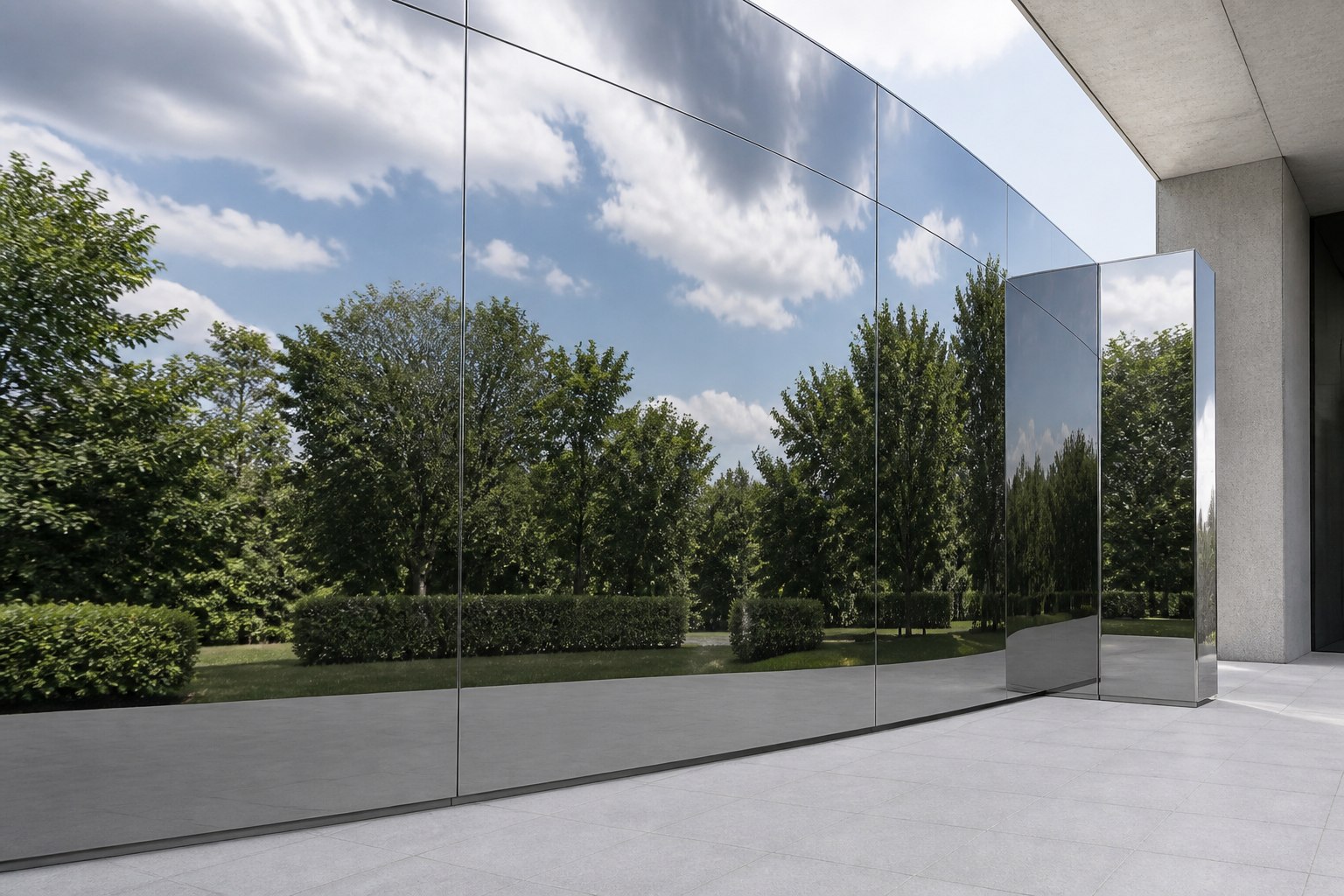
Mirror × Landscape
Environmental Integration
Reflected surroundings can visually connect the metal surface with its architectural context.
Designed to Reflect the Space Around It.
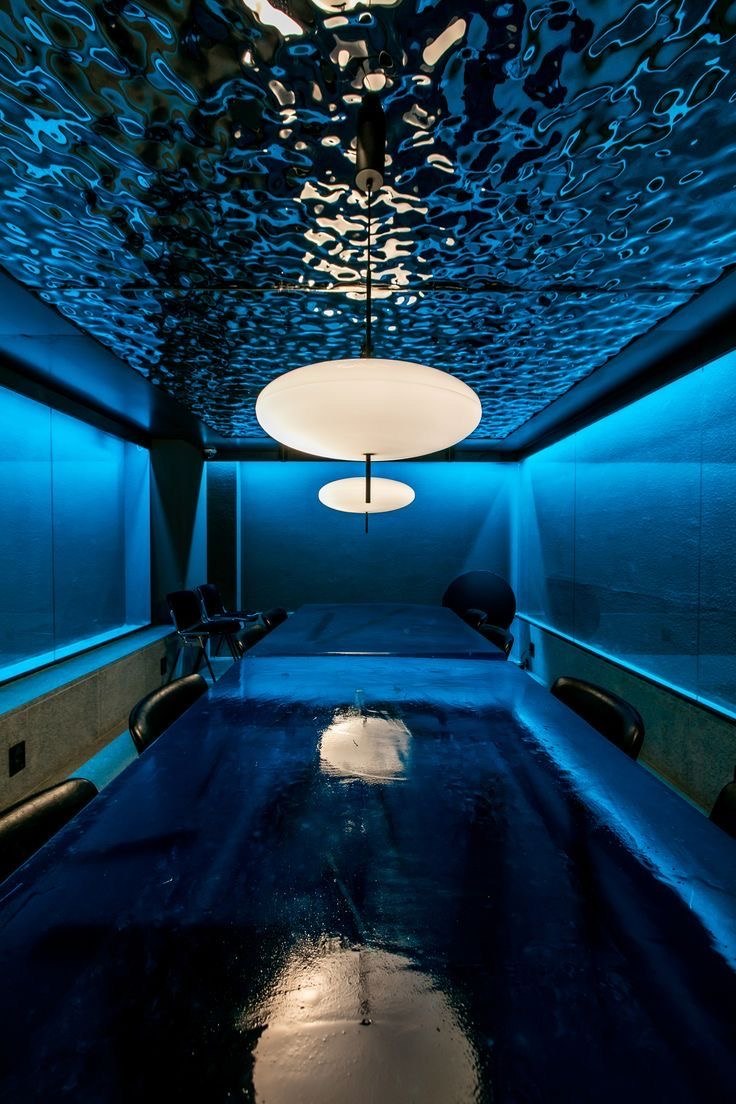
Ceiling × Mirror
Spatial Depth
Reflective ceilings visually extend the interior and amplify surrounding geometry.
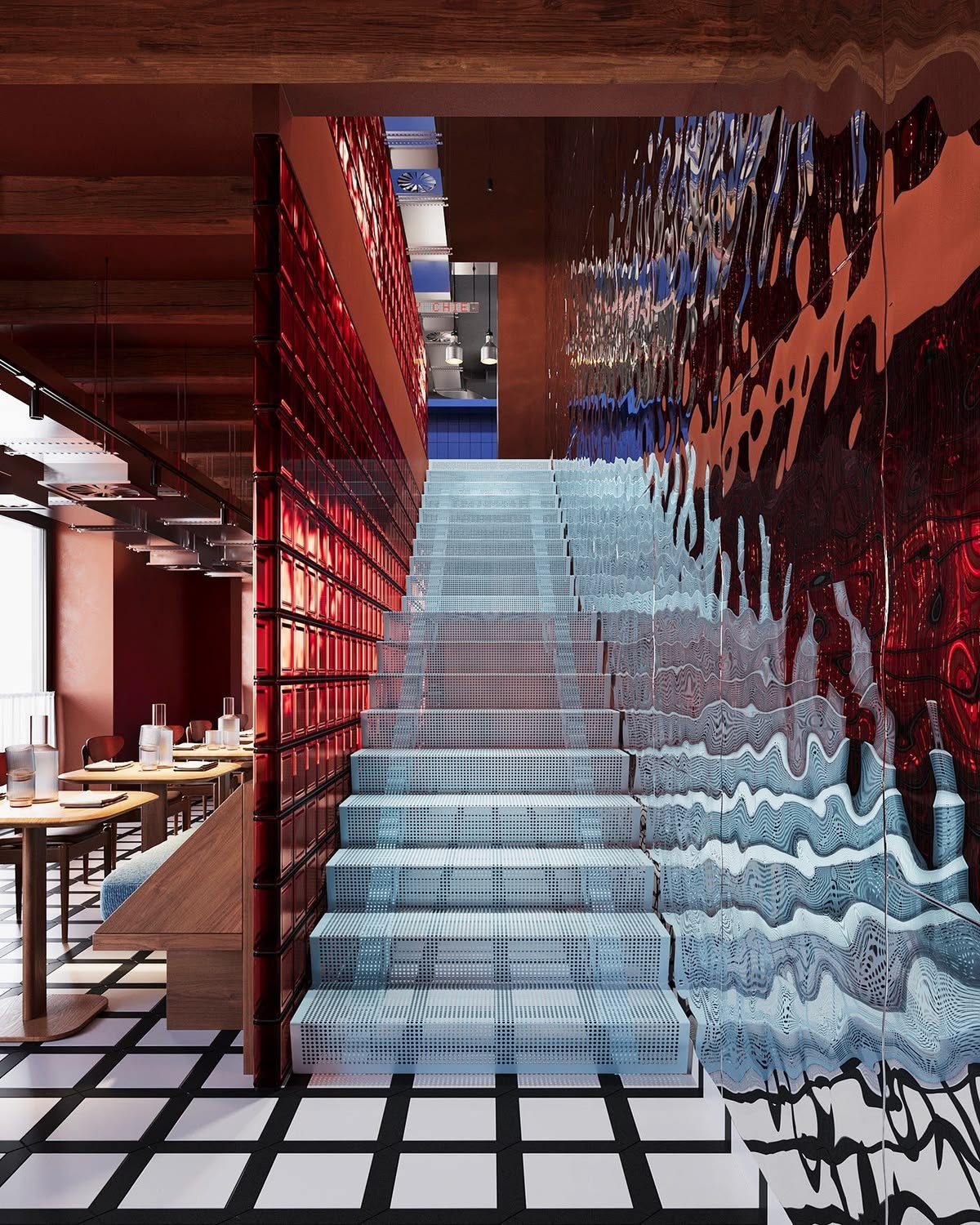
Wall × Mirror
Expanded Plane
Mirror surfaces transform solid walls into visually deeper architectural boundaries.
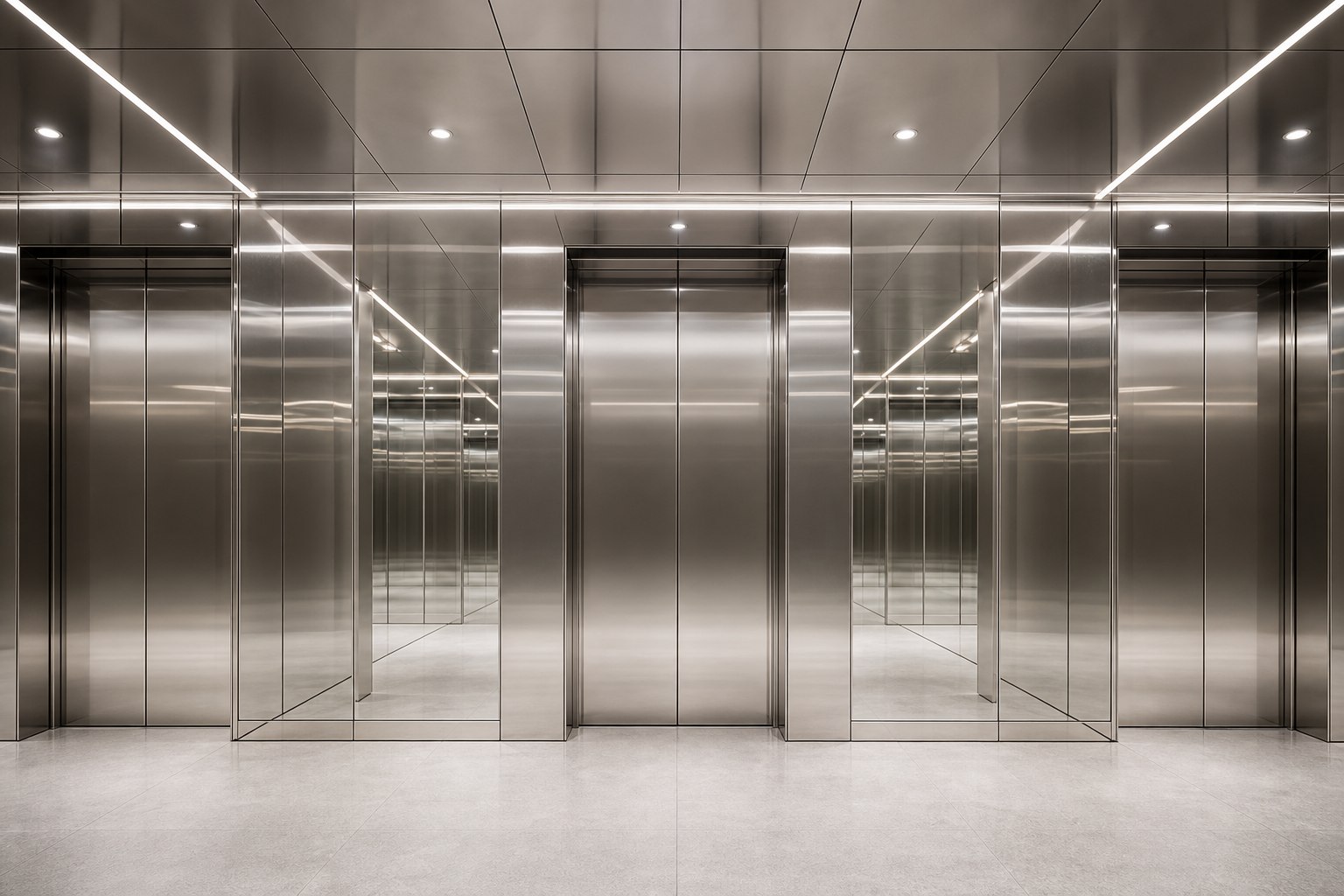
Elevator × Mirror
Expanded Interior
Reflection can increase the perceived scale and brightness of compact cabin environments.
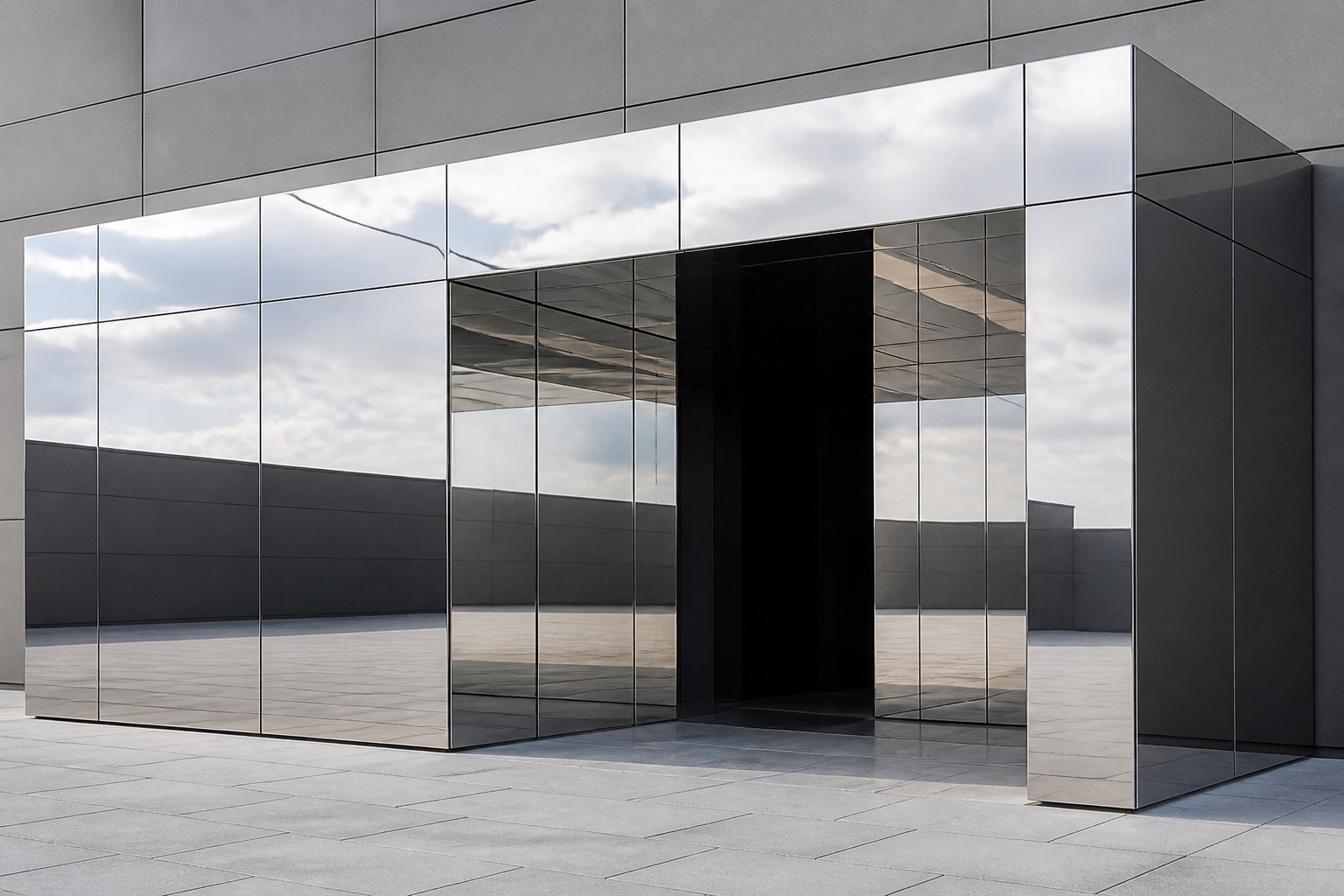
Entrance × Mirror
Architectural Reflection
Mirror-finished portals and entrance features interact with people, lighting and surrounding materials.
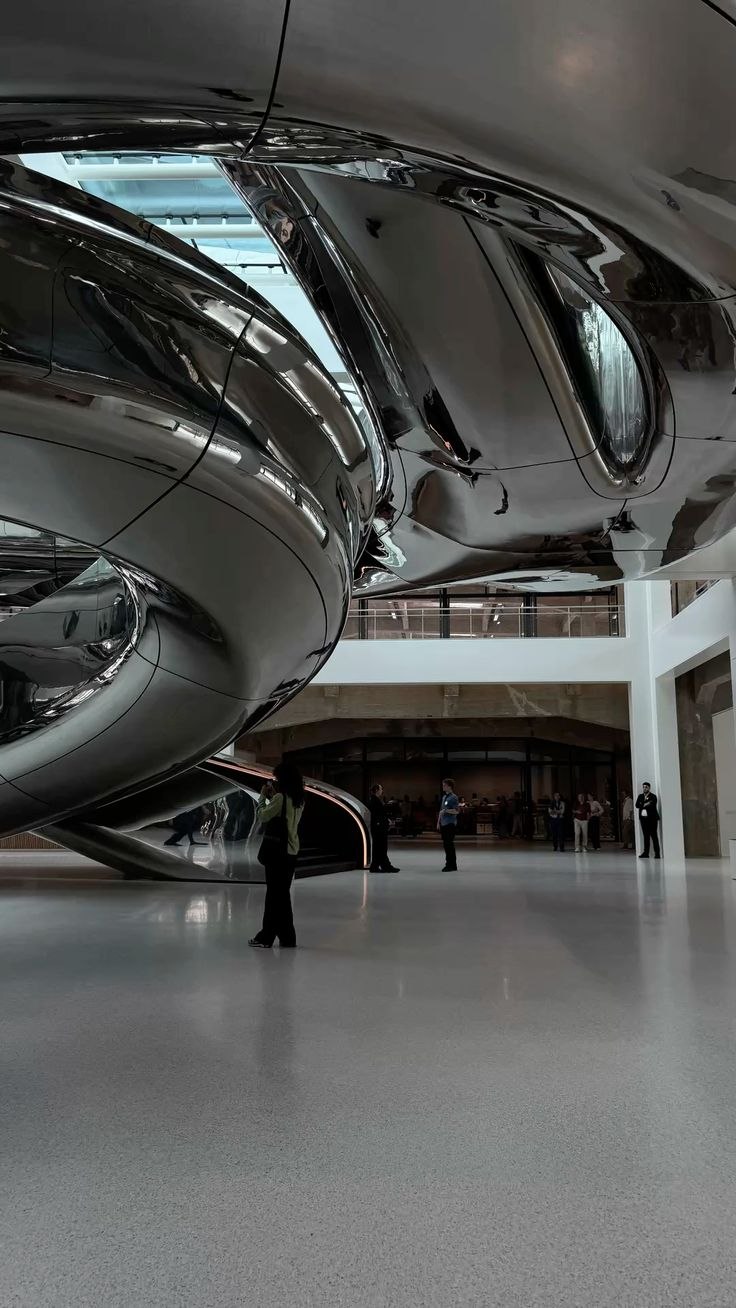
Bespoke Form × Mirror
Sculptural Reflection
Formed mirror stainless steel creates changing reflections across custom architectural geometry.
Drag or scroll horizontally to view all five
Reflection in a Different Tone.
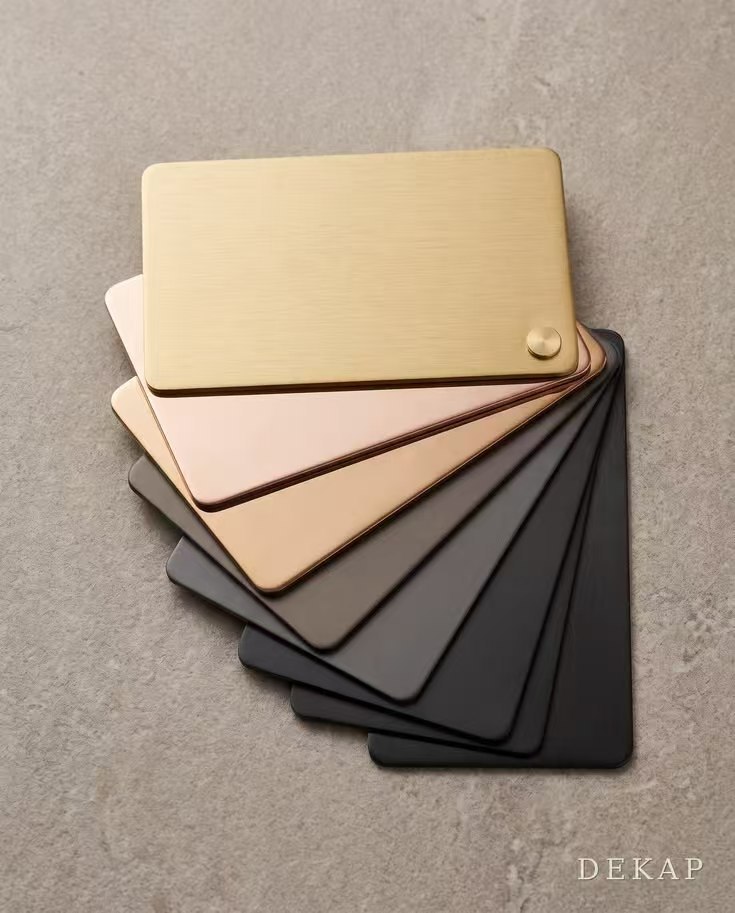
Mirror polishing can be combined with PVD colour to introduce metallic tone while retaining a highly reflective surface character.
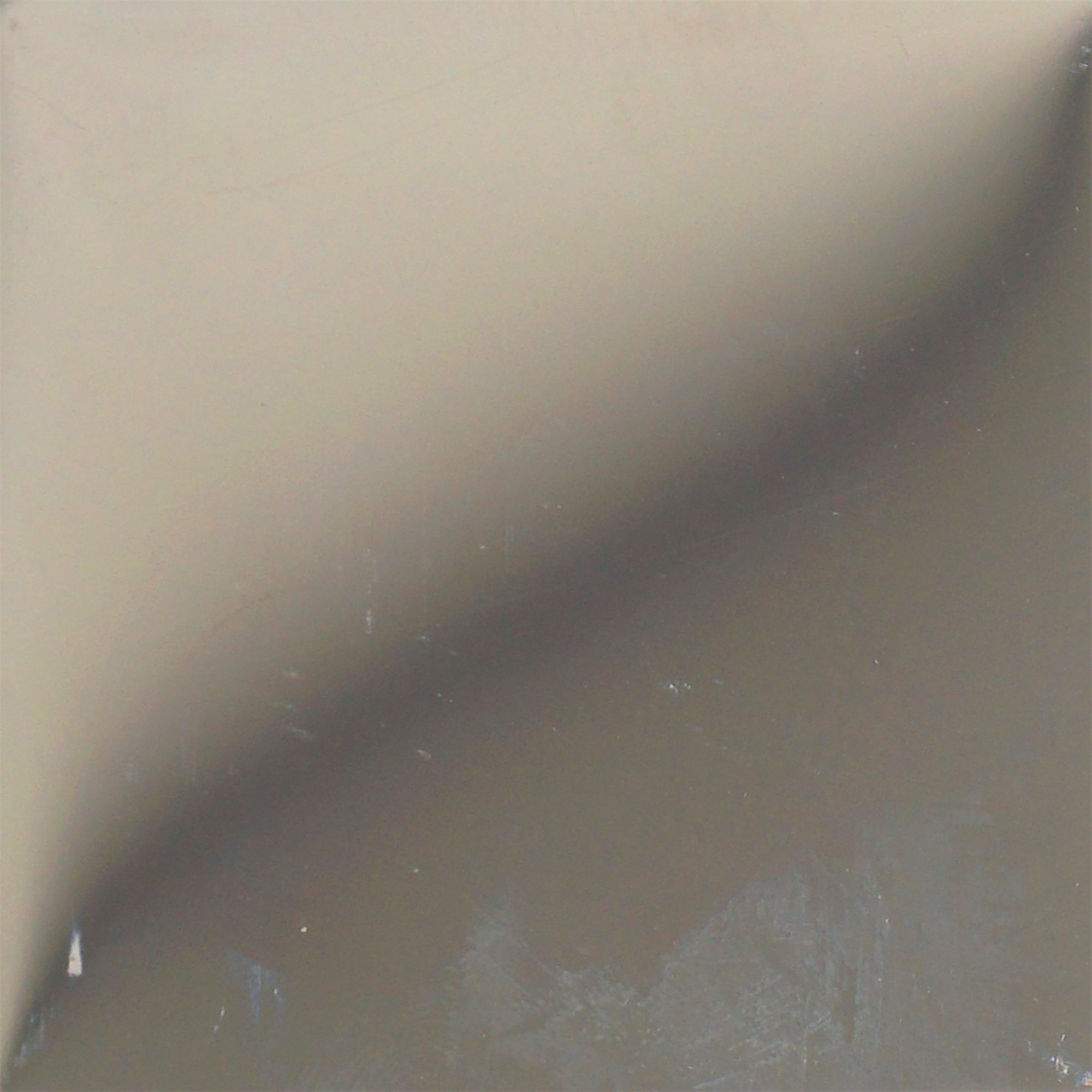
Natural Mirror
Pure Reflection
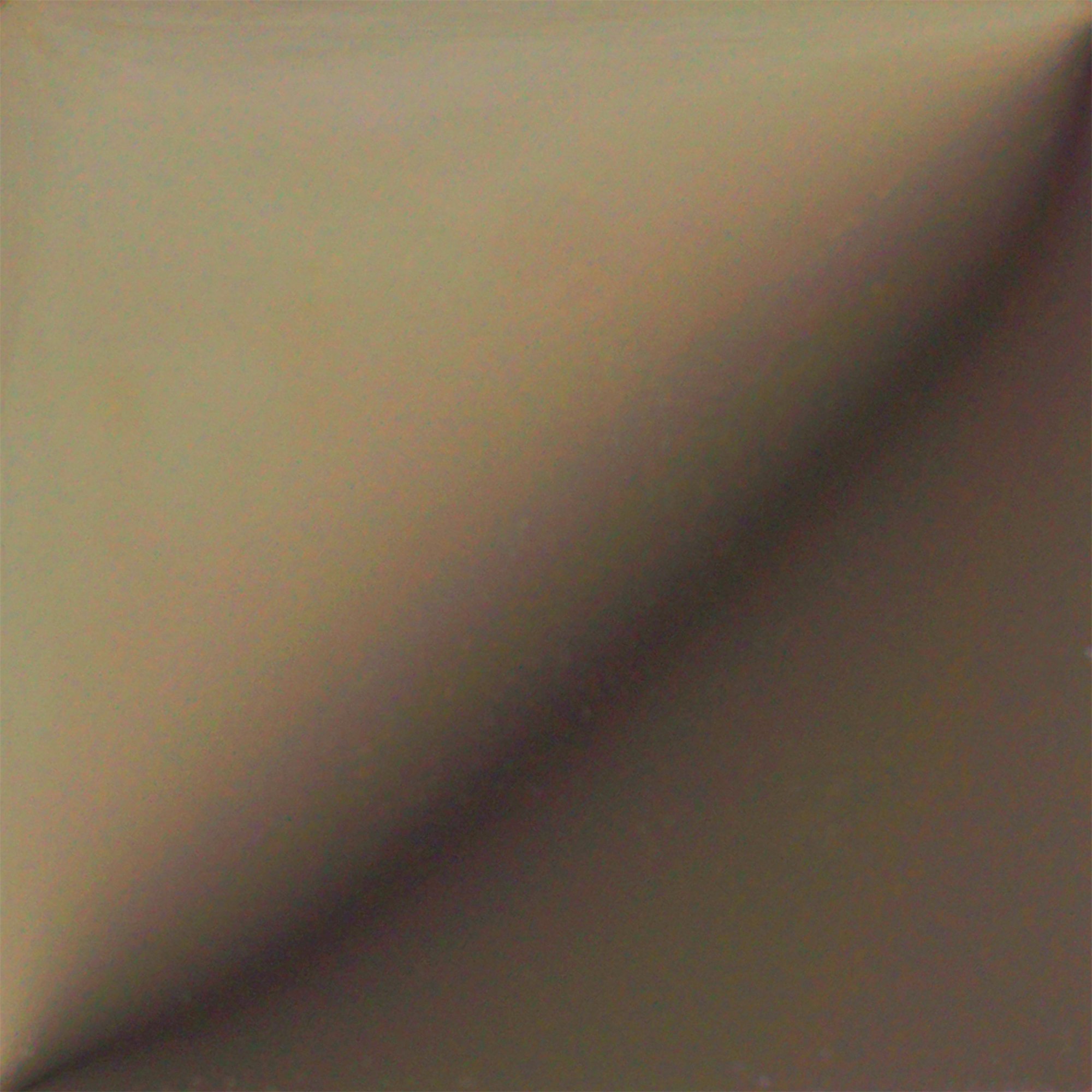
Champagne Mirror
Warm Reflection
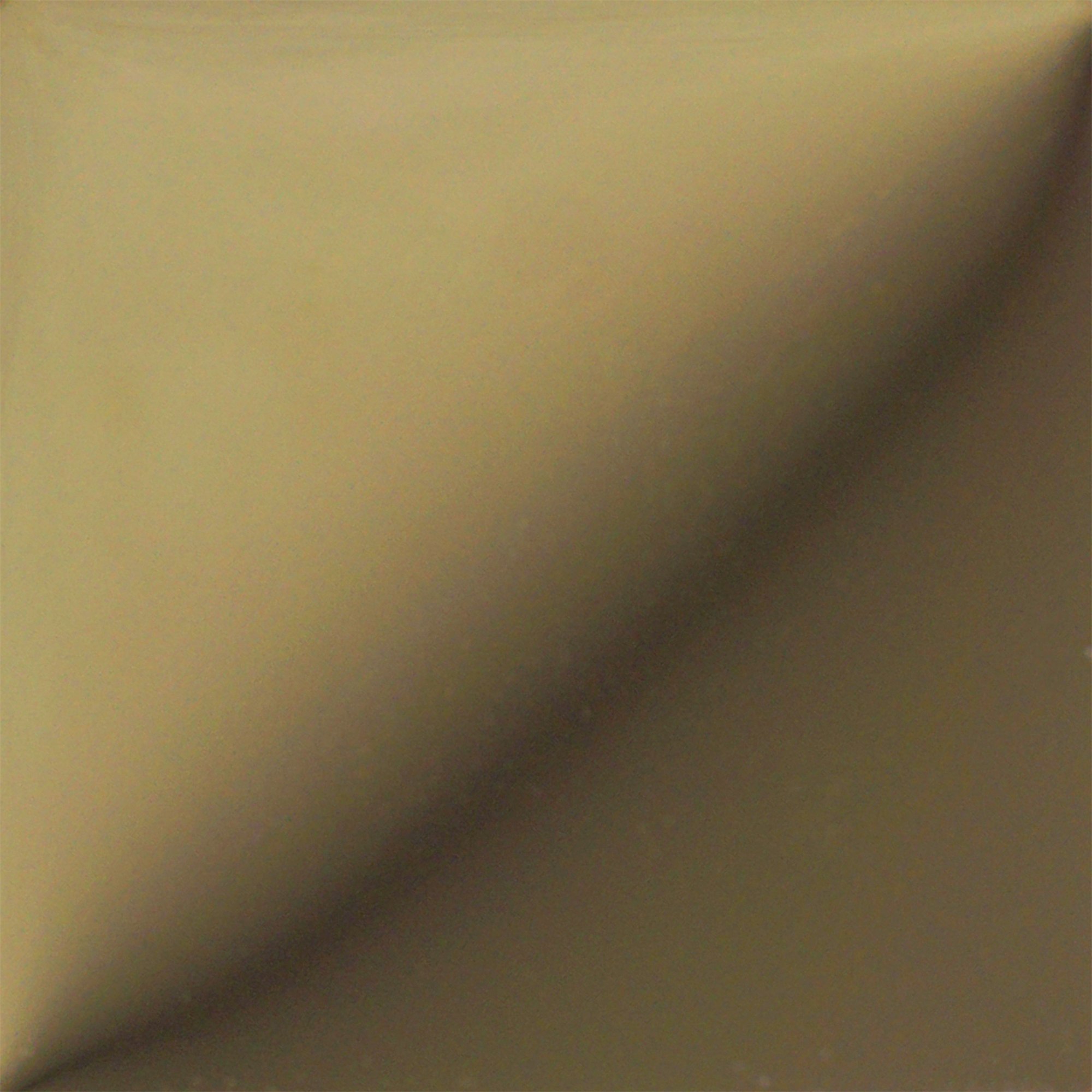
Gold Mirror
Bold Metallic

Bronze Mirror
Architectural Warmth
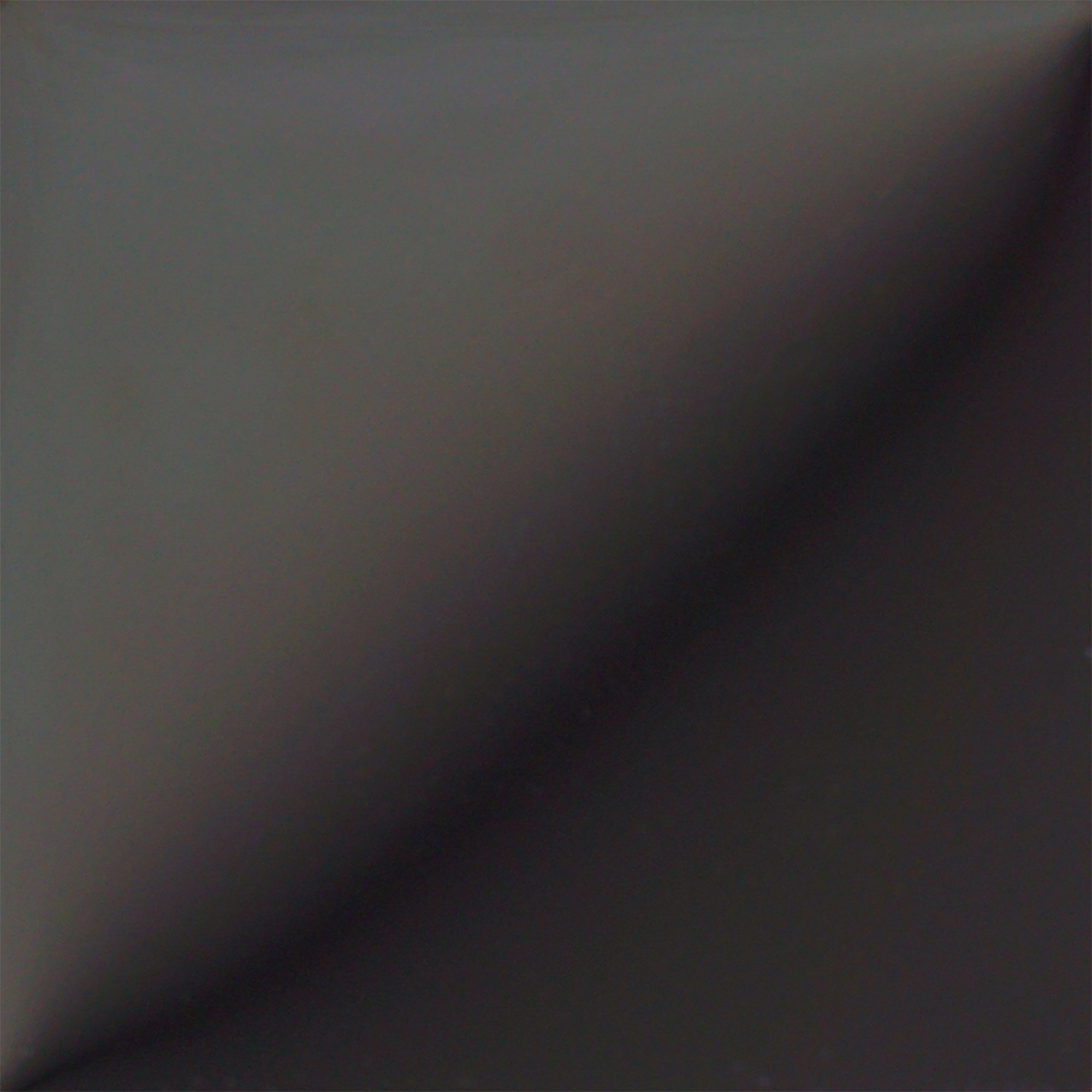
Dark Titanium Mirror
Deep Reflection

Custom Colour
Project-Specific Development
Final colour and reflective appearance should be confirmed by approved physical sample.
Reflection Reveals Every Detail.
Highly reflective surfaces make geometry, edges and transitions more visually apparent. Cutting, bending and forming can alter how reflection moves across the finished component.
Mirror stainless steel should therefore be considered as both a surface and a fabricated architectural element.
Panel Planning
Panel Size · Joint Position · Reflection Continuity
Bending
Reflection changes across folds and returns.
Curved Forming
Curvature intentionally reshapes reflected geometry.
Surface Protection
Preserve the polished finish through fabrication, packing and handling.
On a flat architectural wall panel, distortion usually needs to be controlled. On a sculptural formed component, distortion may itself be the design language. The distinction between unintended distortion and designed reflection should be established at specification stage.
Specification at a Glance.
| Product | Super 8K Mirror |
| Technique | Cold Rolled |
| Thickness | 0.3–3.0 mm |
| Width | 10–1500 mm |
| Length | 300–6000 mm |
| Recommended Grade | 304 / 316L / 201 |
| Flatness | 3 mm max |
| Thickness Tolerance | ±0.01 mm |
| Width / Length Tolerance | -0 / +0.2 mm |
| Surface Roughness | Ra 0.3 |
| Colour Difference | ΔE <1.0* |
| Fire Rating | A1 |
| Packing | PVC Film + Waterproof Paper + Wooden Box |
* Colour difference applies to PVD colour coated surfaces and is confirmed by approved physical sample.
Guidance by Environment.
304
Common choice for architectural interiors and general applications.
316L
Recommended where greater corrosion resistance is required by the project environment.
201
Available for appropriate project requirements subject to application evaluation.
Judge Reflection Before You Specify.
Mirror stainless steel changes with viewing distance, lighting and surrounding geometry. Physical samples help evaluate polish, reflected tone and surface character before production.
Select
Natural / PVD / Application
Sample
Evaluate Reflection & Colour
Approve
Establish Production Reference
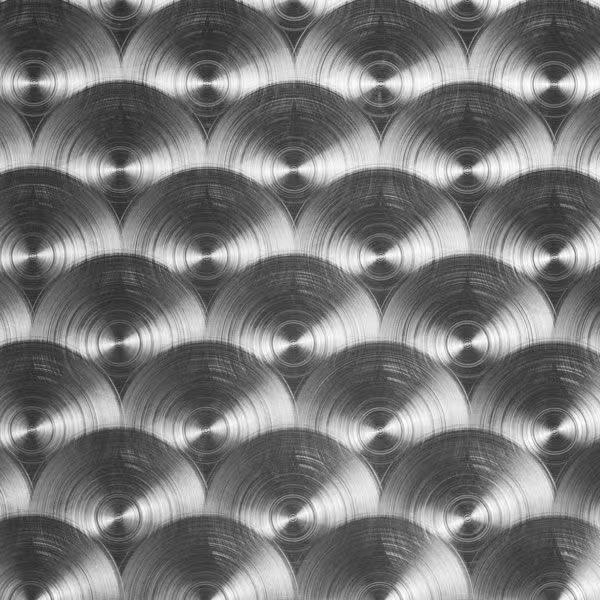
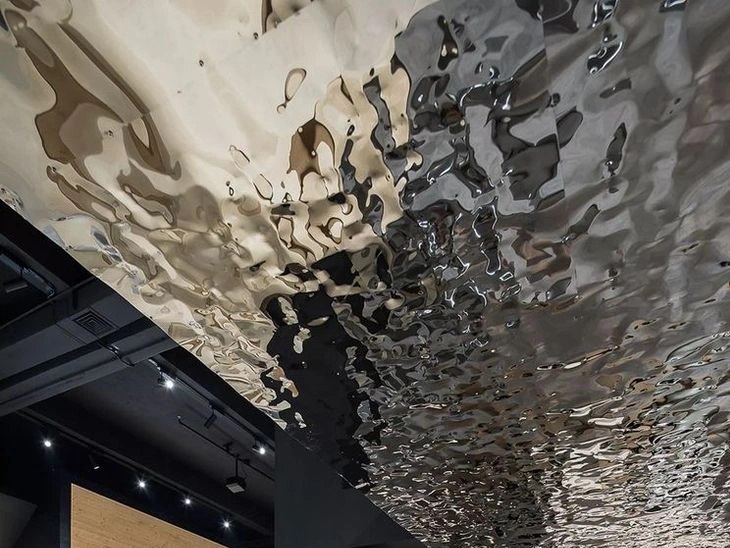
Explore Related Surfaces

See What the Surface Reflects.
Tell us your application, panel size, material grade and desired mirror appearance. Our team can help evaluate the appropriate surface and prepare a project sample.
Request a Sample Send Project Requirements
8K · Super 8K · Natural & PVD Mirror · 304 / 316L
From Surface to Space.