Nano Anti-Fingerprint Stainless Steel — Designed for Surfaces People Touch
- Share

Nano Anti-Fingerprint Stainless Steel
Designed for Surfaces People Touch.
A nano-treated stainless steel surface developed to reduce the visible impact of fingerprints and everyday touch, helping high-contact architectural surfaces maintain a cleaner appearance.
Stainless Steel Is Seen at Its Closest When It Is Touched.
Elevator doors, portals, wall panels, cabinetry and interior metalwork are often viewed and touched at close range.
On highly visible stainless steel surfaces, fingerprints and touch marks can quickly affect the intended appearance — particularly under directional architectural lighting.
Nano anti-fingerprint treatment is designed to reduce this visual impact while retaining the character of the stainless steel beneath.
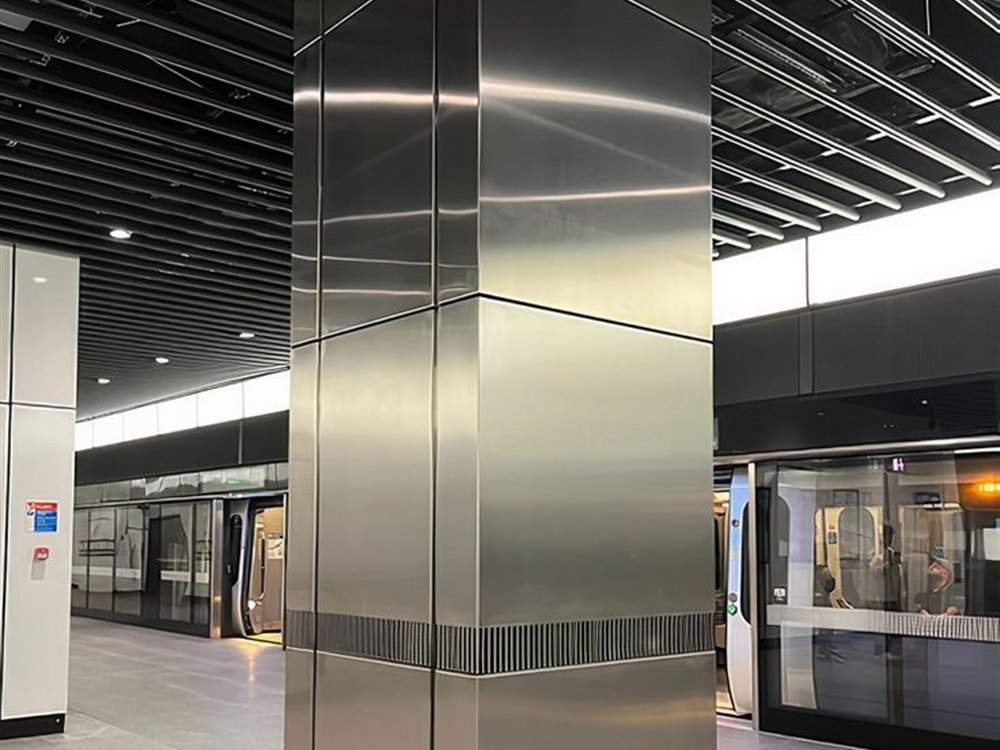
Touch Marks More Visible
Under directional light, fingerprints and everyday contact can become part of how the surface reads.
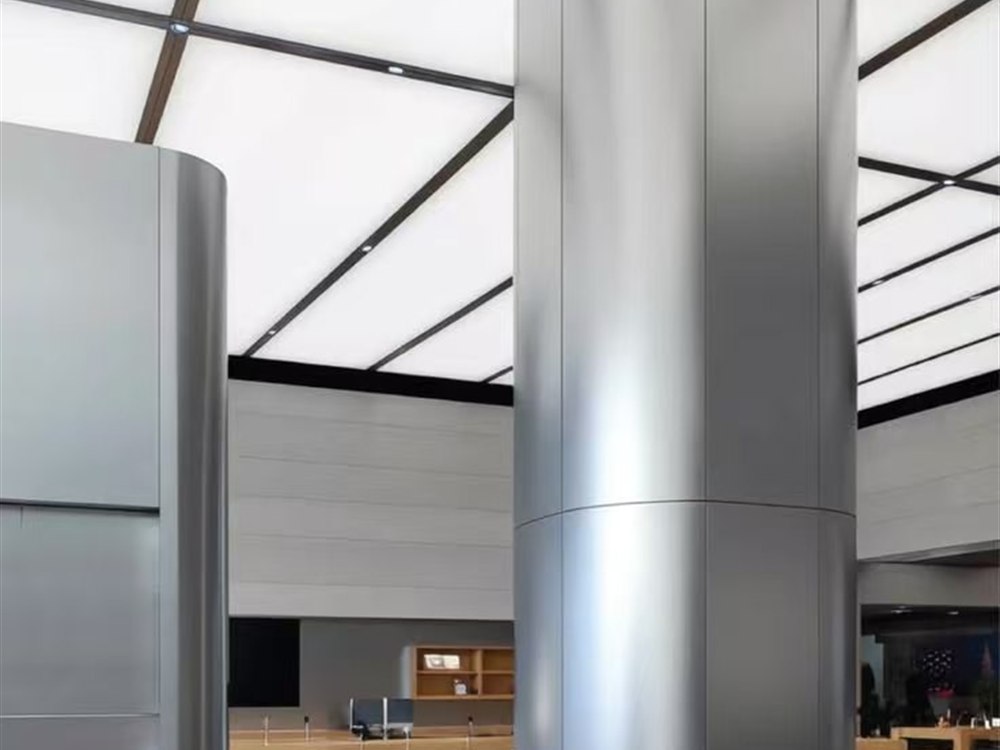
Cleaner Visual Appearance
The treated surface is designed to reduce the visible impact of everyday touch.
See the Difference Where It Matters.
Both views below come from one brushed stainless steel surface, one hairline direction, one sheet size, one lighting setup and one viewing angle. Only the treatment changes.

Standard Brushed Surface
Fingerprints and touch marks may become more visually apparent under direct or directional lighting.

Nano Anti-Fingerprint Surface
The treated surface is designed to reduce the visible impact of everyday touch.
Throughout this page, performance is described in one consistent way: reduces the visible impact of fingerprints. Anti-fingerprint treatment reduces the visual impact of everyday contact — it is not a claim of fingerprint-free, self-cleaning or maintenance-free performance. Comparison imagery is shown for illustration; final performance is evaluated on approved physical samples under the project's own lighting.
Keep the Surface. Add Touch Performance.
Nano anti-fingerprint treatment works with the stainless steel surface beneath it. The underlying grain, reflectivity and color remain part of the architectural expression.

Controlled Grain + Cleaner Appearance
Directional metallic grain with added anti-fingerprint treatment for high-touch architectural applications.

Metallic Color + Touch Performance
Selected colored surfaces may be combined with anti-fingerprint treatment subject to process compatibility and approved sample.

Evaluate Before Production
Additional surface combinations can be reviewed according to project requirements.
Base surface and treatment are confirmed together. Process compatibility is verified on the approved sample before production, rather than assumed from a finish name.
Touch Marks Change with Light.
Fingerprints are not perceived the same way under every lighting condition. Surface finish, viewing angle and directional light all influence how touch marks become visible.

Lower Visual Contrast
Diffused lighting can make touch marks less visually pronounced.

Higher Visibility
Grazing or directional light may reveal surface marks more clearly.
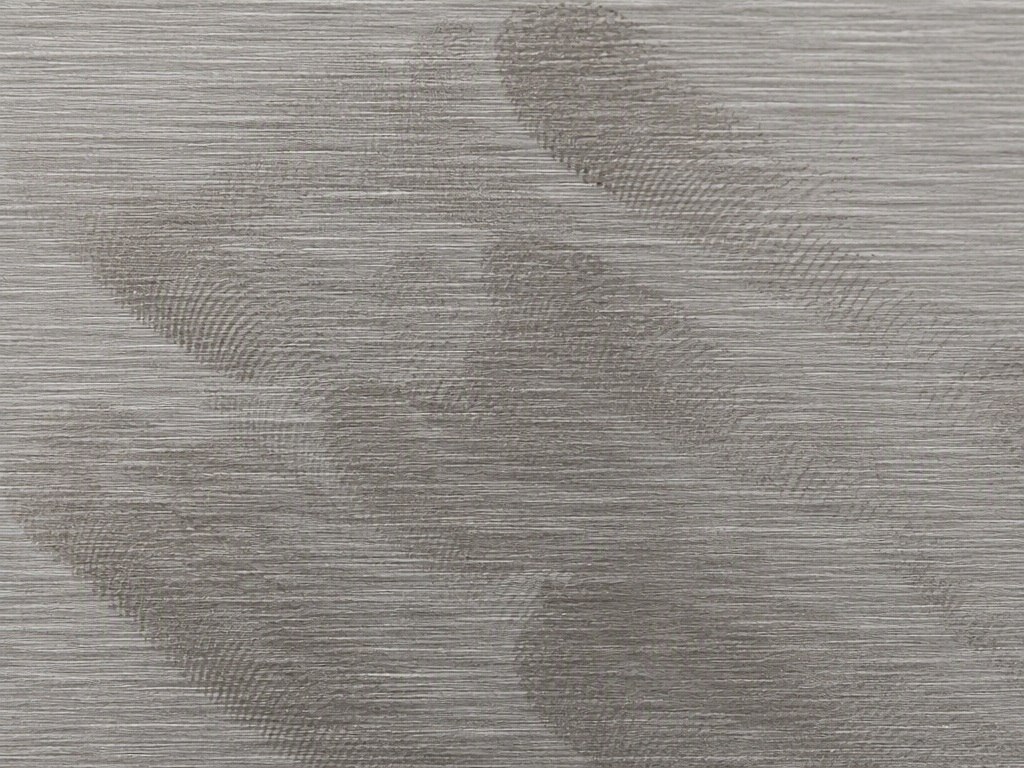
Detail Matters
Elevator interiors, portals and cabinetry are often viewed at short distances where surface condition becomes more noticeable.
Specify anti-fingerprint performance together with surface finish and lighting — not in isolation.
Designed for Surfaces in Constant Contact.
Anti-fingerprint treatment is most relevant where stainless steel is both visible and repeatedly touched. These are the applications where it is normally considered.
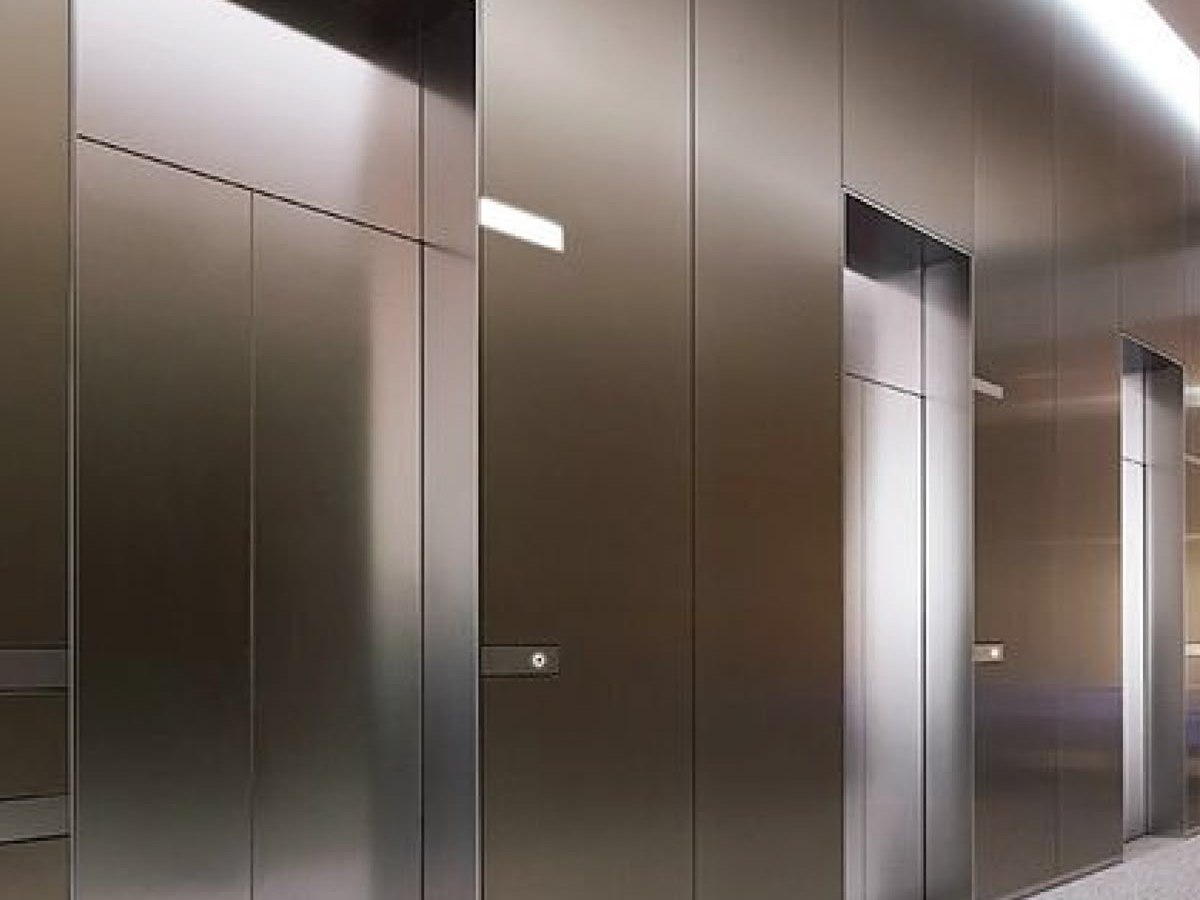
Cabin Walls & Doors
High-frequency contact makes surface appearance particularly important at close range.
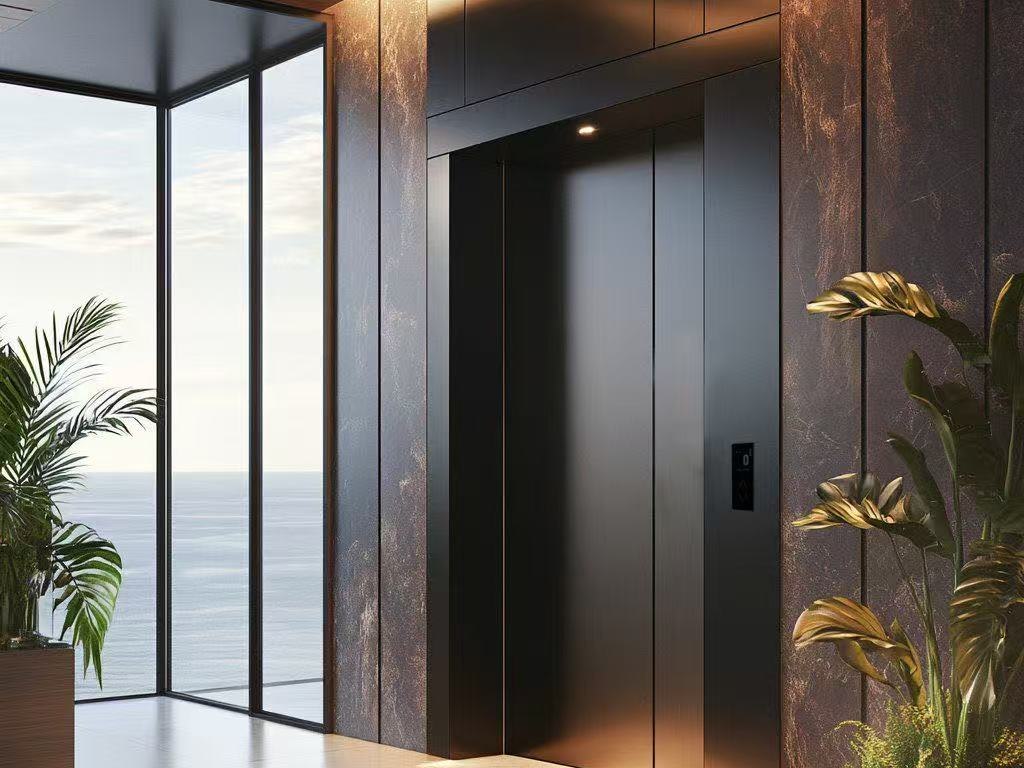
Doors & Portals
Helps maintain a cleaner visual character in heavily used circulation spaces.

Stair Balustrades & Handrails
Handrails and stair balustrade panels are gripped continuously through the day, so the surface must stay visually even wherever people hold it.

High-Traffic Interiors
Consider for stainless steel wall surfaces in circulation and public areas.
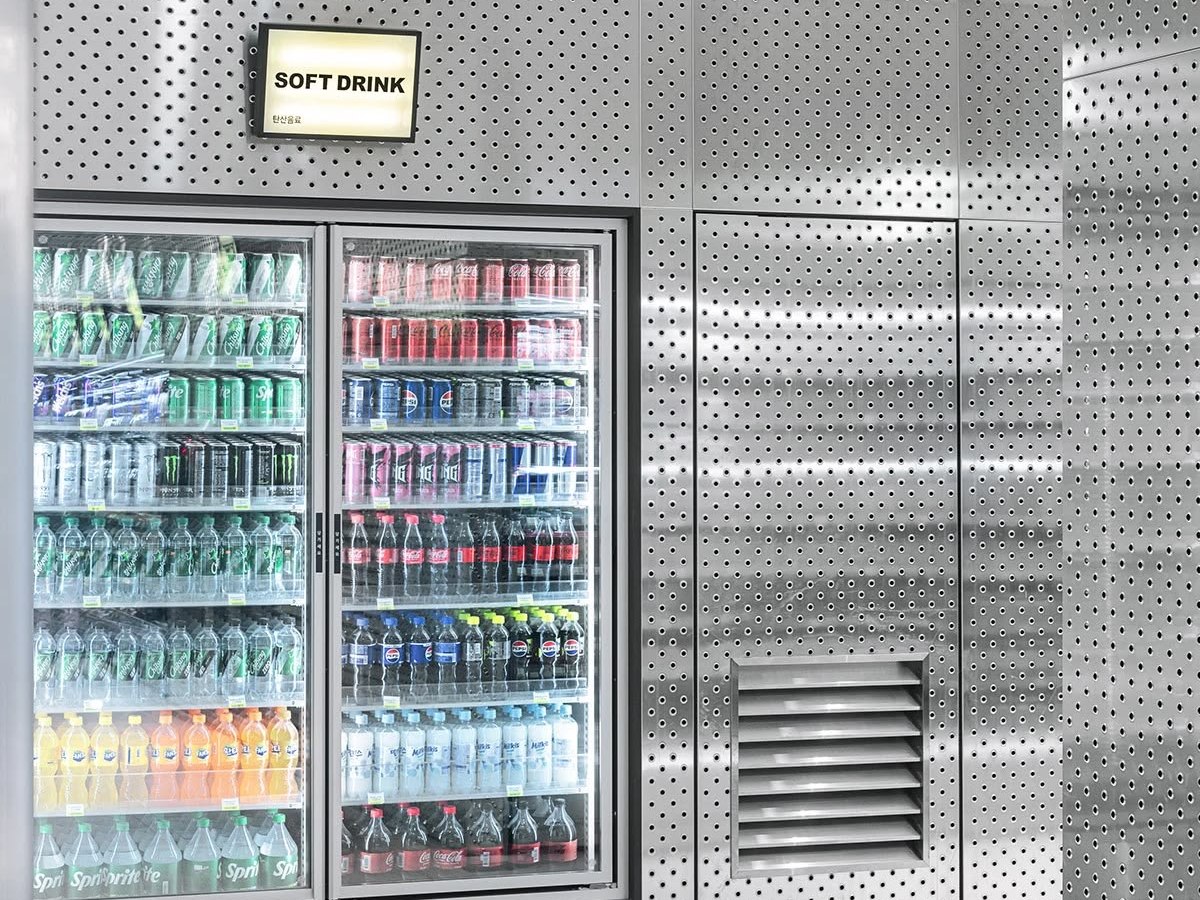
Handles & Fronts
Supports cleaner-looking stainless steel in frequently handled interior components.
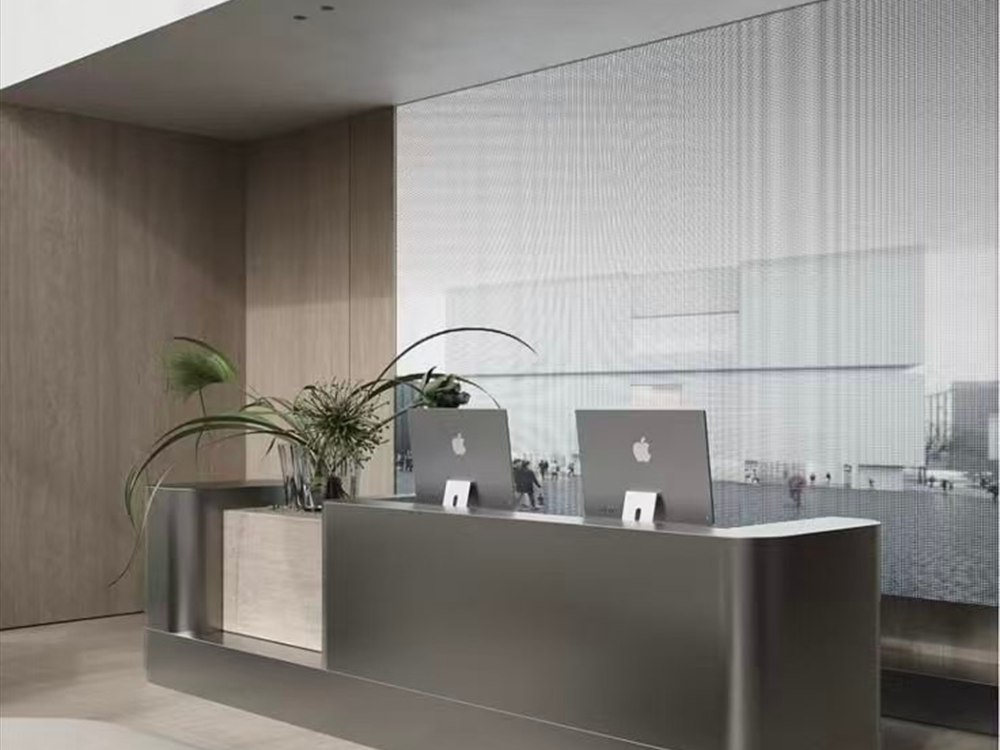
Reception Counters
Visitors lean on and touch the counter throughout the day, so a clean, even surface matters most in this position.
Designed for Everyday Use.
The value of anti-fingerprint treatment is visual. It is about how a surface continues to read in daily use, not about a different cleaning regime.
Reduced Visual Impact
Touch marks appear less prominent.
The treatment is designed to reduce the visible impact of fingerprints on the finished surface.
Easier Visual Upkeep
Maintain the intended appearance.
A cleaner-looking surface can support the visual quality expected in frequently used architectural spaces.
Surface Character Retained
Performance without hiding the metal.
The stainless steel grain, tone and material character remain central to the finished appearance.
No reduction in cleaning frequency, water-only cleaning or long-term performance warranty is claimed. Performance is described as a reduction in the visible impact of fingerprints on the finished surface.
Performance Has to Continue Through the Detail.
Anti-fingerprint stainless steel is ultimately fabricated into architectural components. Cutting, bending, visible returns, surface orientation and handling should therefore be coordinated around the finished surface requirement.
Surface Selection
Confirm the base finish before treatment.
Component Development
Plan visible faces, returns and panel orientation.
Fabrication
Coordinate cutting and forming around the finished component.
Protection
Protect the approved surface through production, packing and installation handling.
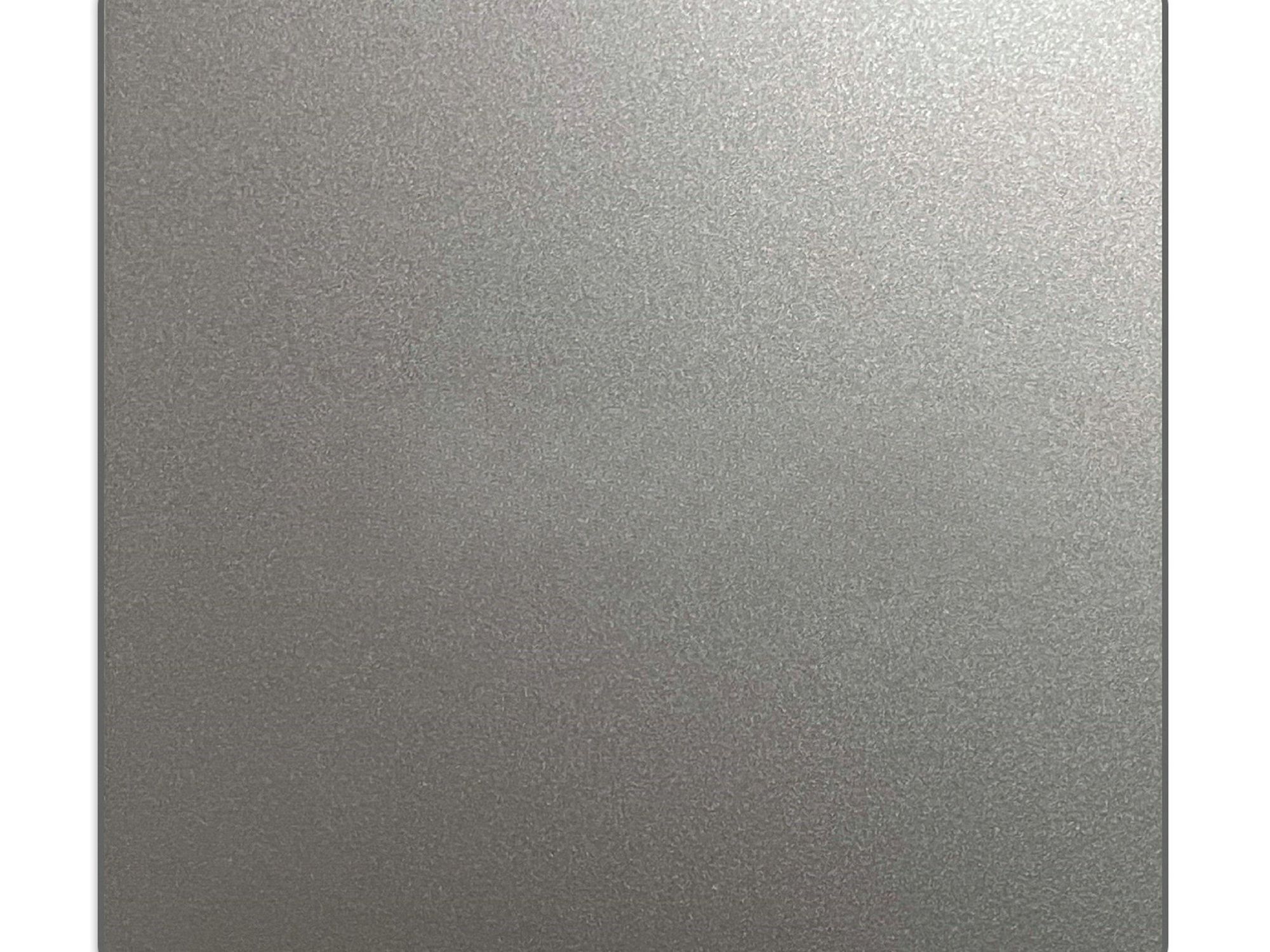
Base Finish Confirmed
The grain and tone are fixed before treatment is applied.
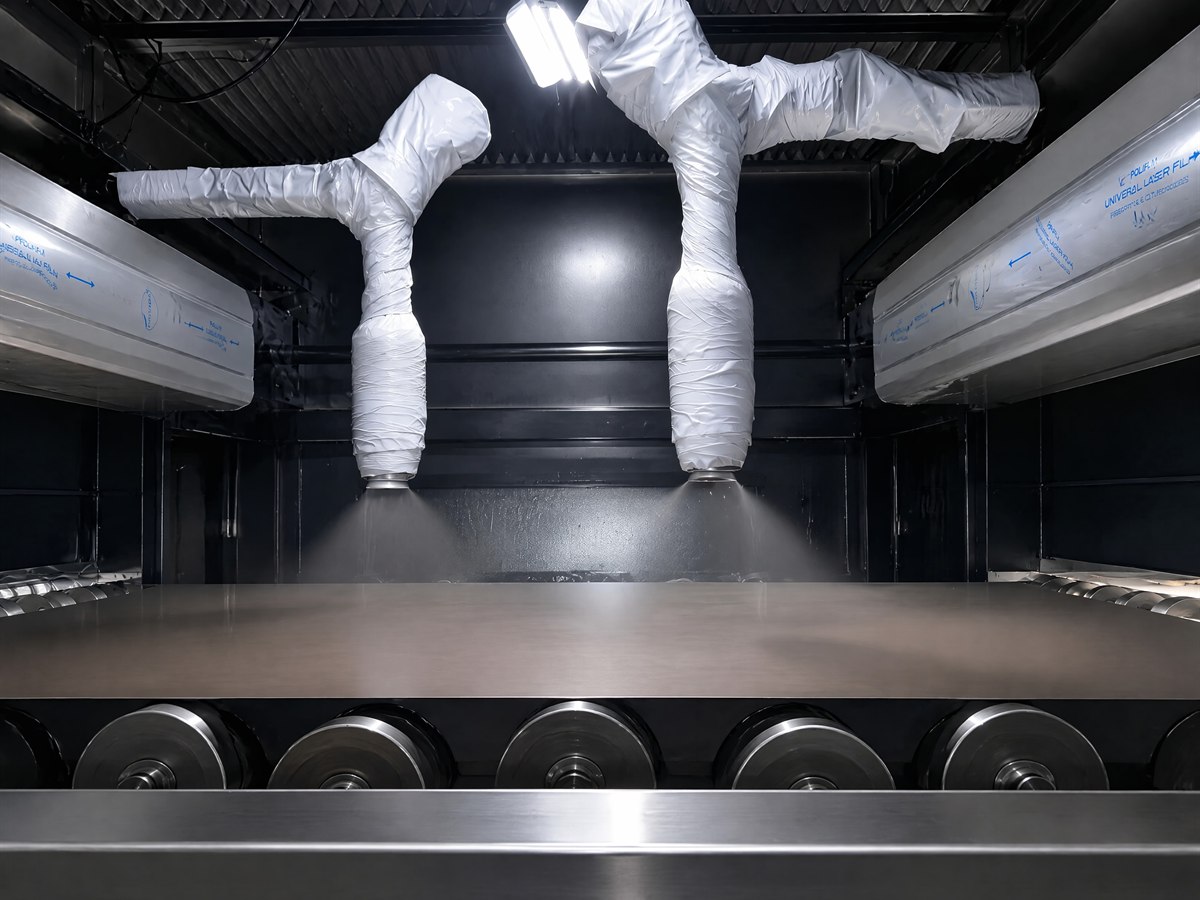
Nano AFP Applied
Treatment is applied to the finished surface so the metal beneath stays visible.
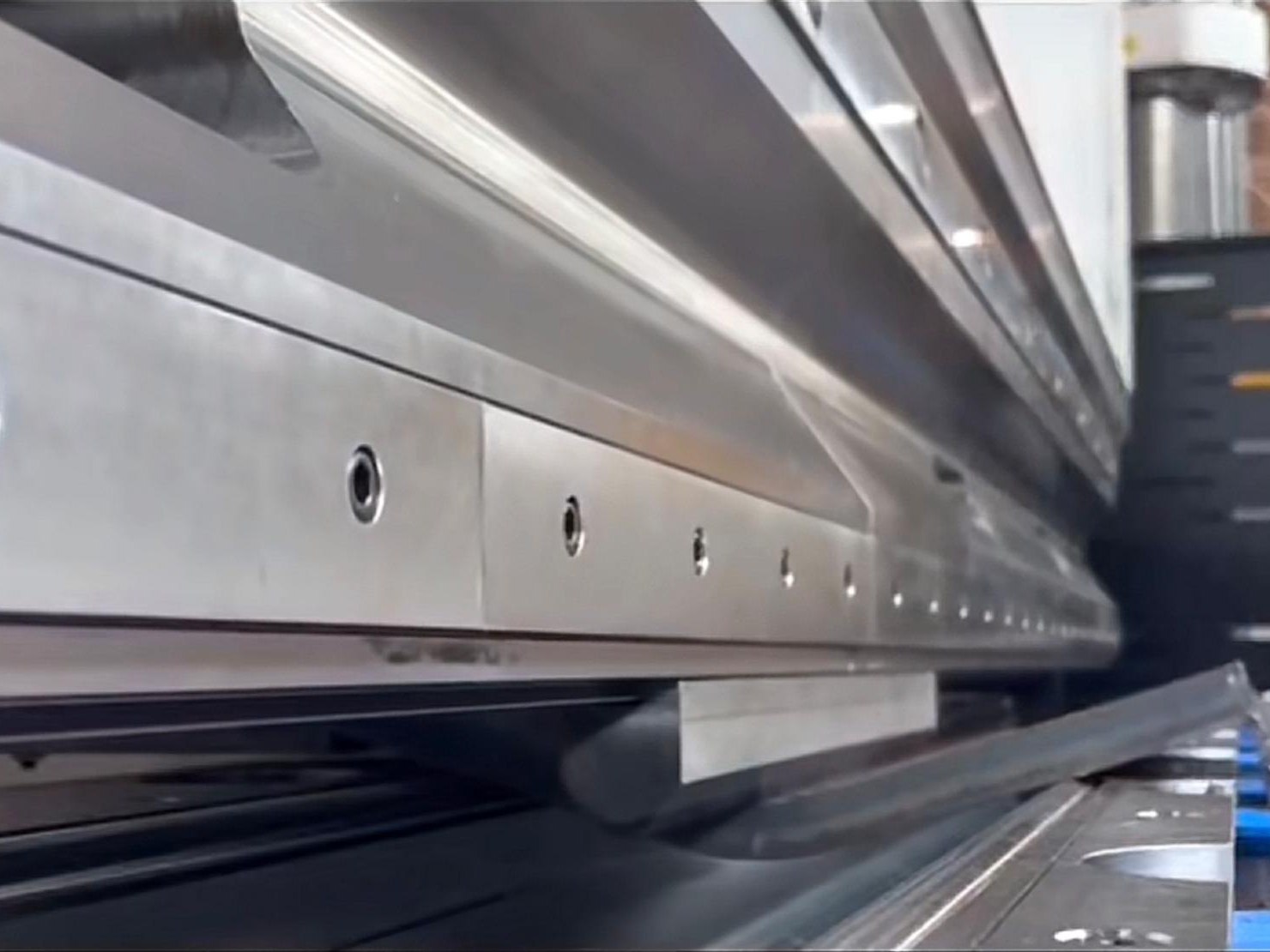
Formed Around the Detail
Cutting, bending and returns are planned around visible faces.
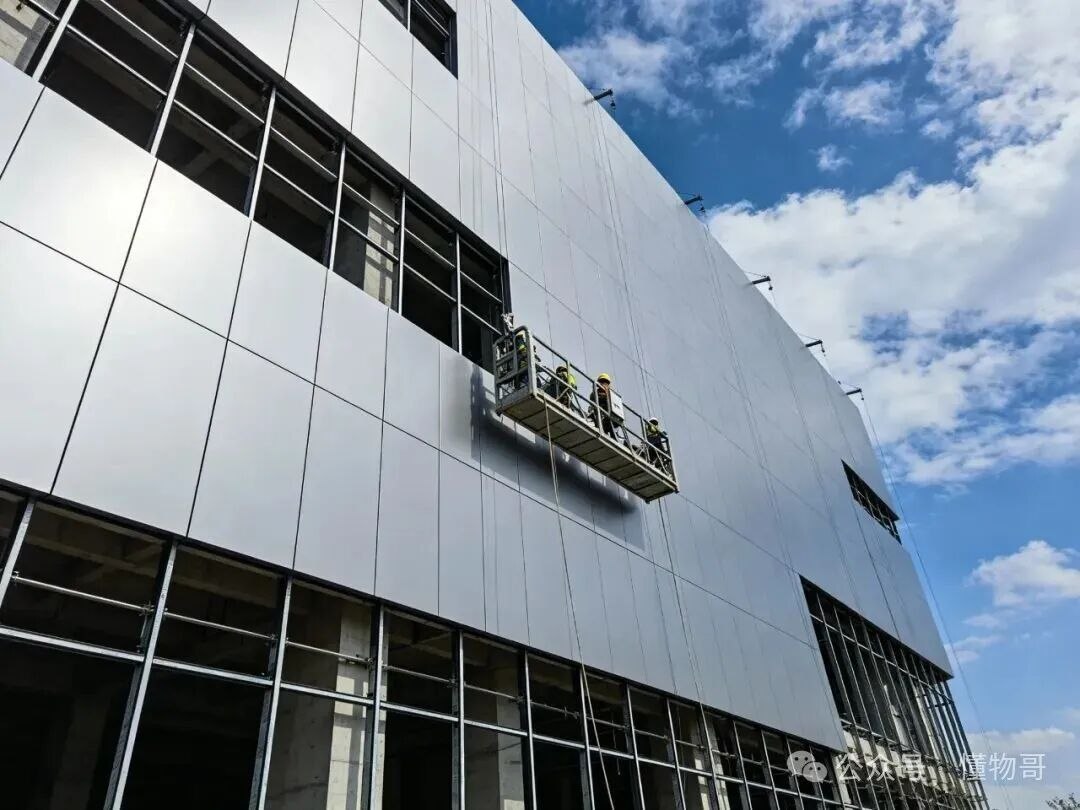
Installed as Specified
Handling and protection carry the approved surface through to installation.
Specification at a Glance.
| Specification | Nano Anti-Fingerprint |
| Technique | Cold Rolled / Nano Anti-Fingerprint Treatment |
| Thickness | 0.3–3.0 mm |
| Width | 10–1500 mm |
| Length | 300–6000 mm |
| Recommended Grade | 304 / 316L / 201 |
| Flatness | 3 mm max |
| Thickness Tolerance | ±0.01 mm |
| Width / Length Tolerance | -0 / +0.2 mm |
| Surface Roughness | N/M |
| Color Difference | ΔE <1.0* |
| Fire Rating | A1 |
| Packing | PVC Film + Waterproof Paper + Wooden Box |

* Color difference is applicable according to the confirmed surface and colour specification and the approved project sample.
Base Surface: Project-specific; commonly coordinated with brushed and selected colored stainless steel surfaces.
Guidance by Environment.
304
Common interior architectural applications.
316L
Where higher corrosion resistance is required by the project environment.
201
Available for appropriate project requirements.
Anti-fingerprint treatment does not change how the substrate should be selected; grade is confirmed against the service environment of the project.
See It. Touch It. Compare It.
Anti-fingerprint performance is best evaluated on the actual surface. Compare the treated sample with the selected base finish under relevant lighting and handling conditions.
Select
Base surface.
Treat
Nano AFP.
Touch
Evaluate in real use.
Approve
Establish project reference.
48H rapid sampling for standard references · A4 project sample in 3 days · samples are supplied for physical touch evaluation, not for colour matching from a screen.
Explore Related Surfaces

Controlled Grain

Metallic Color

Soft Matte

Material Character

Specify the Surface for How It Will Be Used.
Tell us where the stainless steel will be installed, how frequently it will be touched and which base finish you are considering. Our team can help evaluate the appropriate surface combination and prepare a physical sample.
Request a Sample Send Project Requirements
Hairline · Satin · Bead Blasted · Colour Coated
Reduces the visible impact of fingerprints.