Printed & Transferred Stainless Steel — Visual Effects Reinterpreted in Metal.
- Share

Printed & Transferred Stainless Steel
Visual Effects. Reinterpreted in Metal.
Decorative stainless steel surfaces developed with printed and transferred visual effects, bringing material-inspired textures, graphics and project-specific imagery into architectural metal.
When an Image Becomes a Material Surface.
Printed and transferred effects introduce visual information beyond conventional metallic color or mechanical texture.
Material-inspired grain, graphic composition and project-specific imagery can be developed across stainless steel while the sheet remains part of a fabricated architectural system.
The design challenge is therefore not only what the image looks like—but how it reads across a panel, a component and an architectural space.
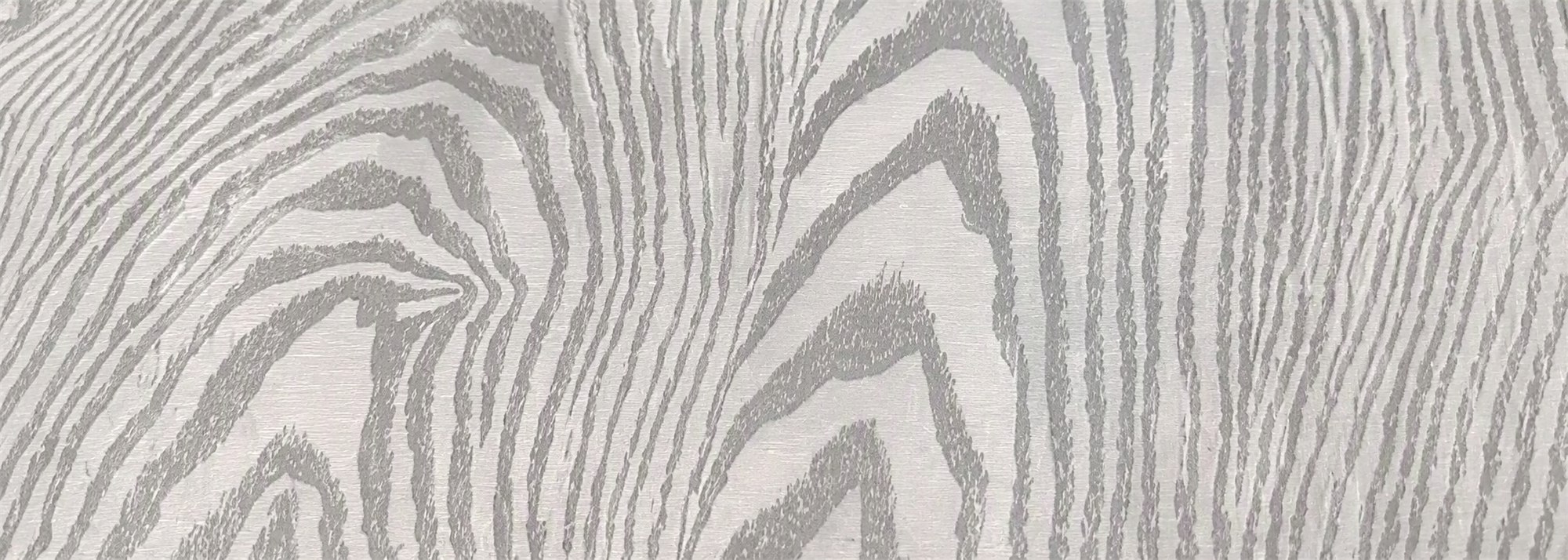
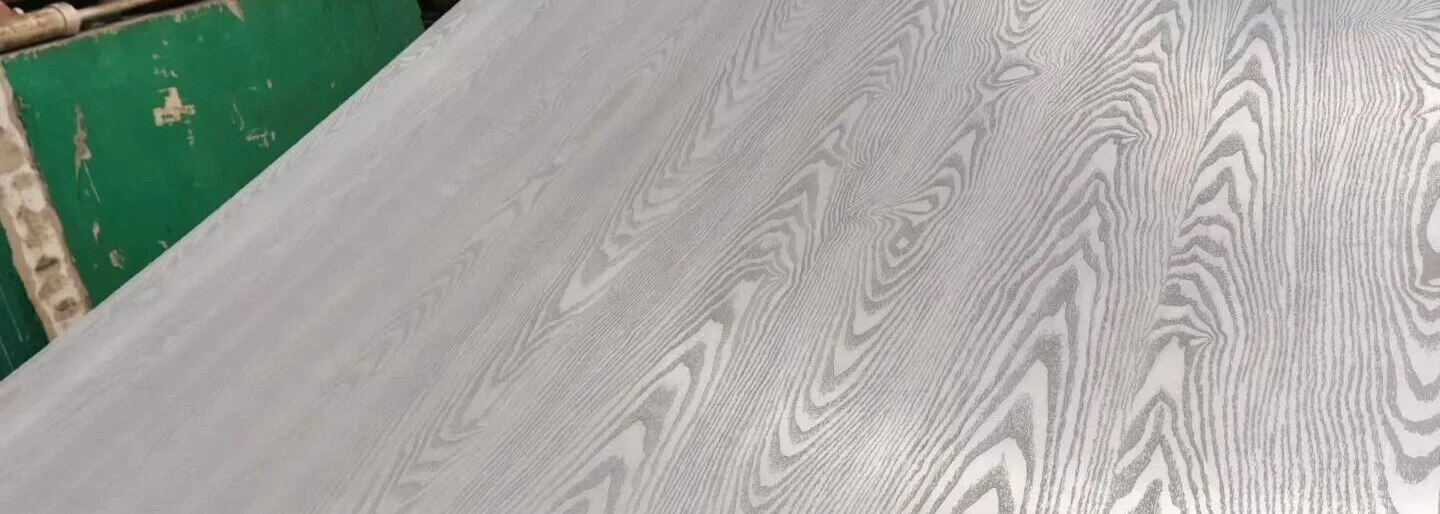
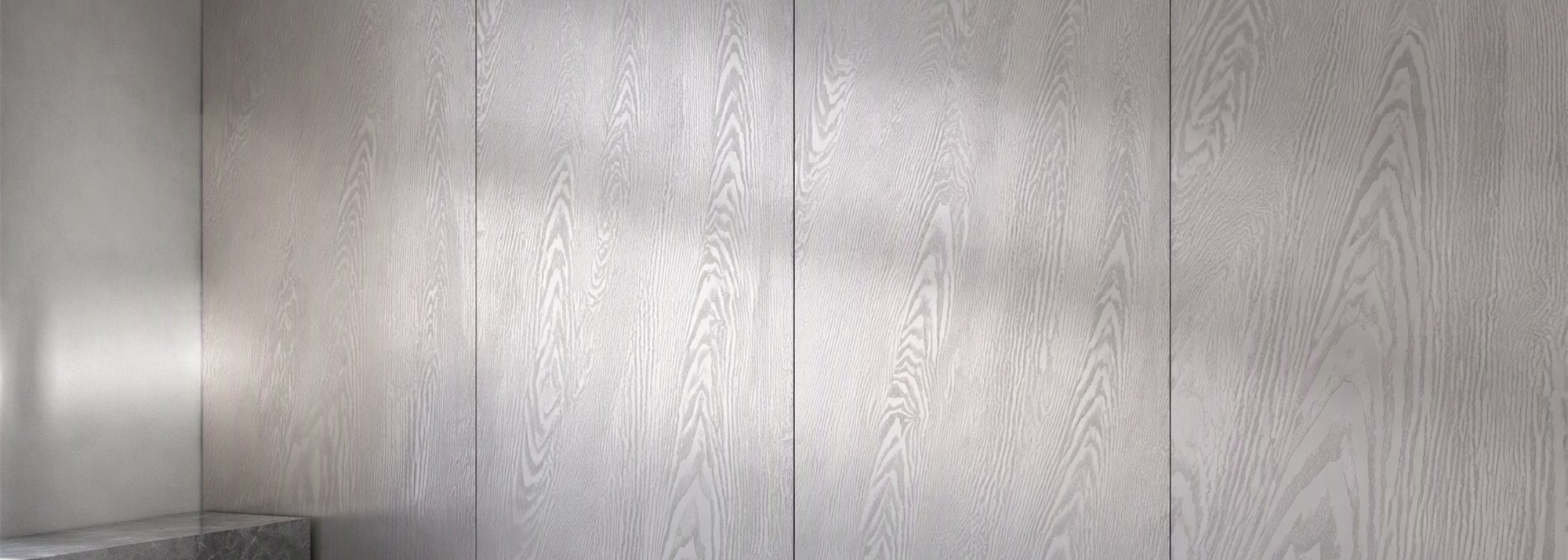
From Material References to Custom Graphics.
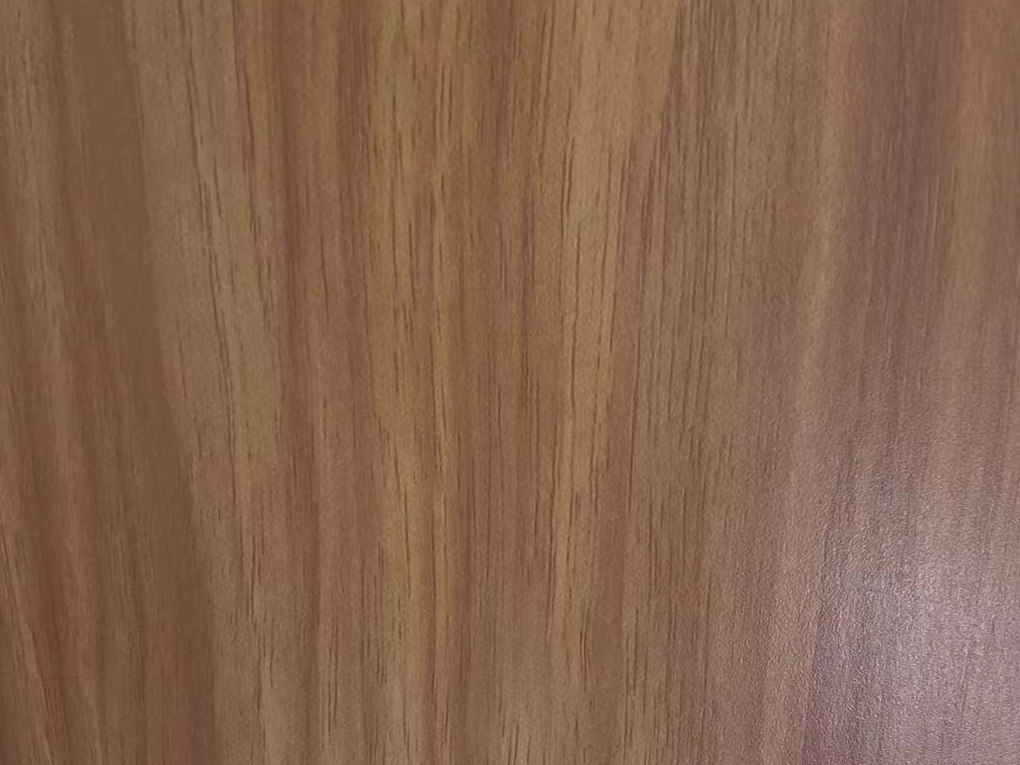
Warm Material Expression
Wood-inspired grain introduces visual warmth while retaining stainless steel as the underlying architectural material.
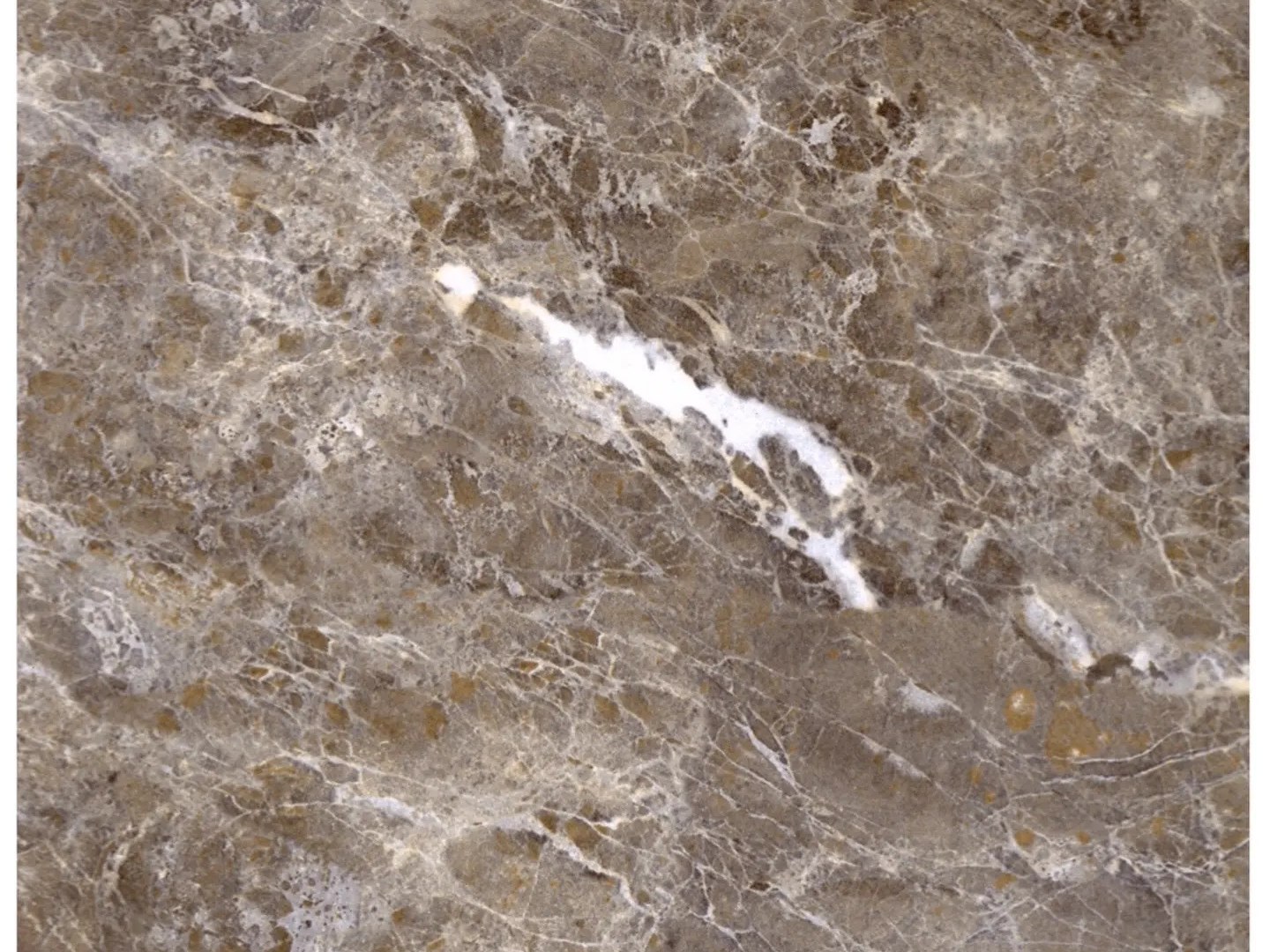
Mineral Character
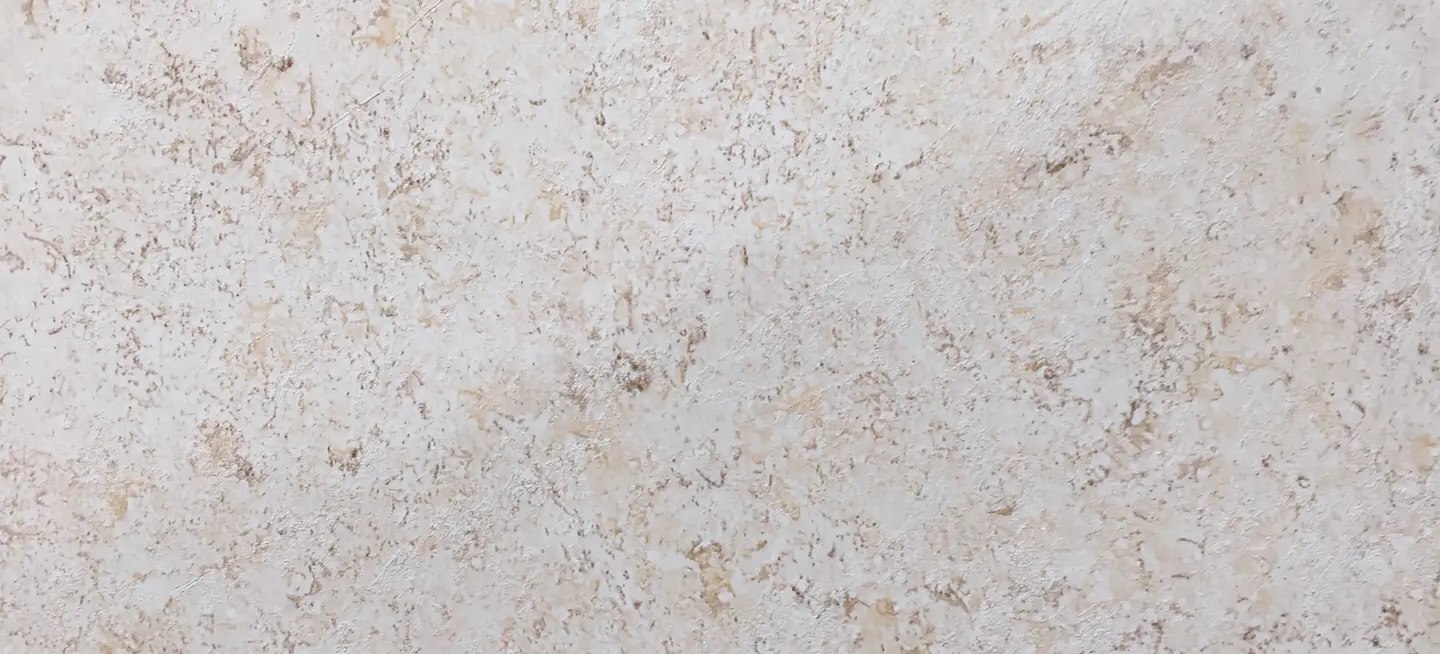
Stone-inspired visual effects bring veining and tonal movement into a metal surface.
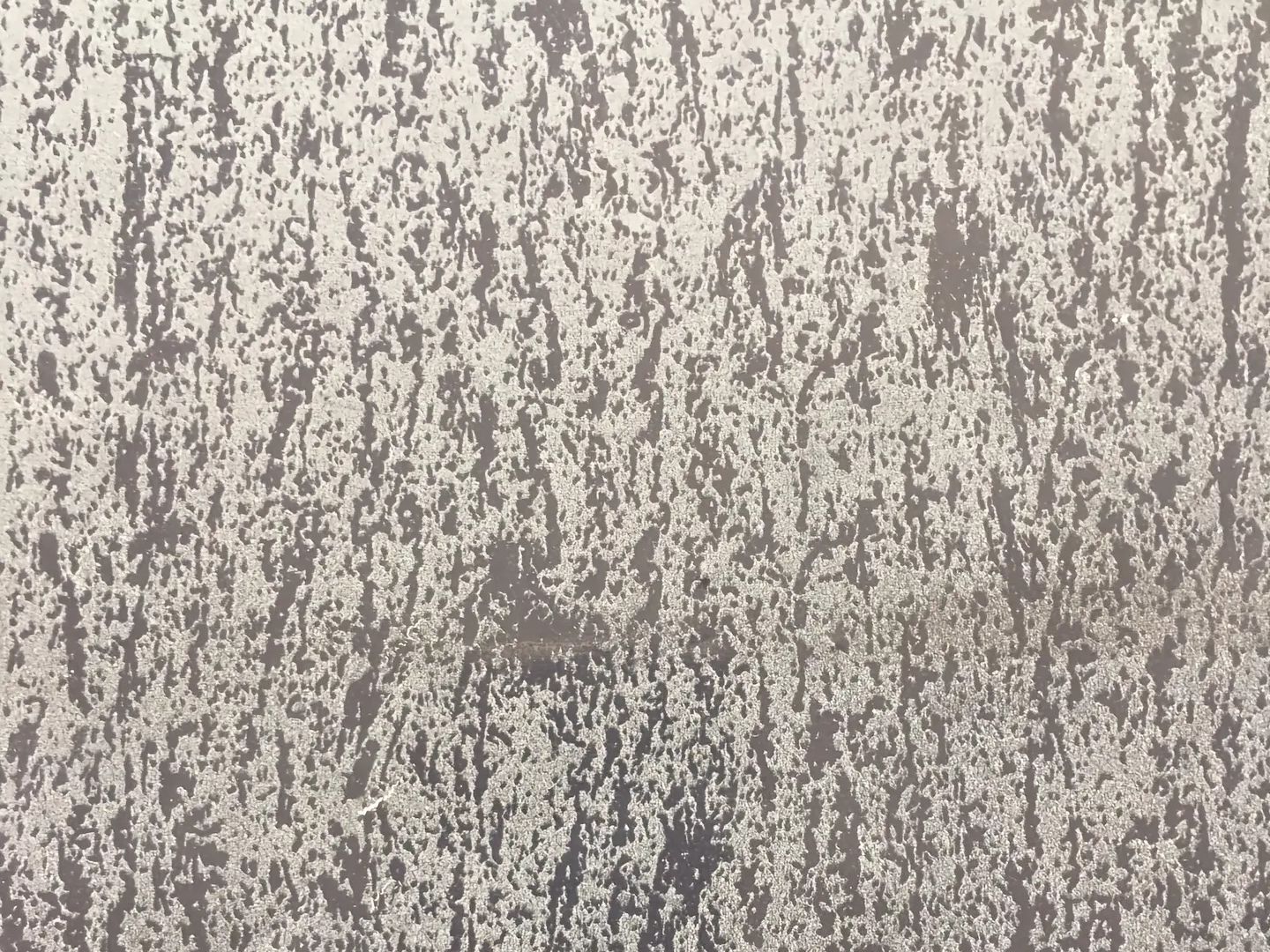
Designed Visual Rhythm
Non-representational textures create a more contemporary and project-specific surface identity.
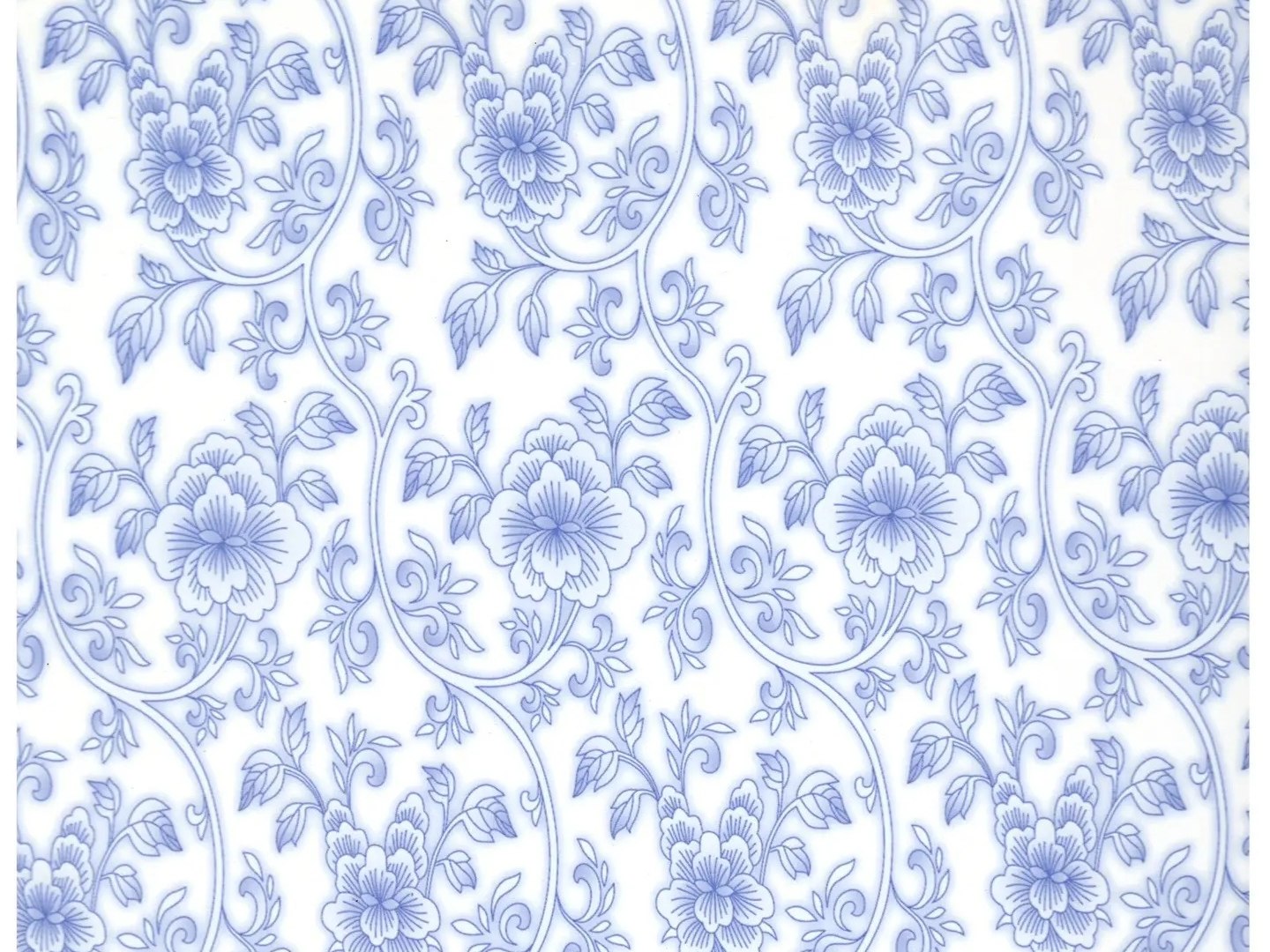
Project-Specific Image
Artwork, graphic references or visual concepts can be evaluated for development on stainless steel.
The Reference Is Only the Beginning.
A digital image and a finished architectural metal surface are not the same thing. Scale, contrast, color, panel dimensions and viewing distance all influence how the visual effect is perceived once transferred to stainless steel.
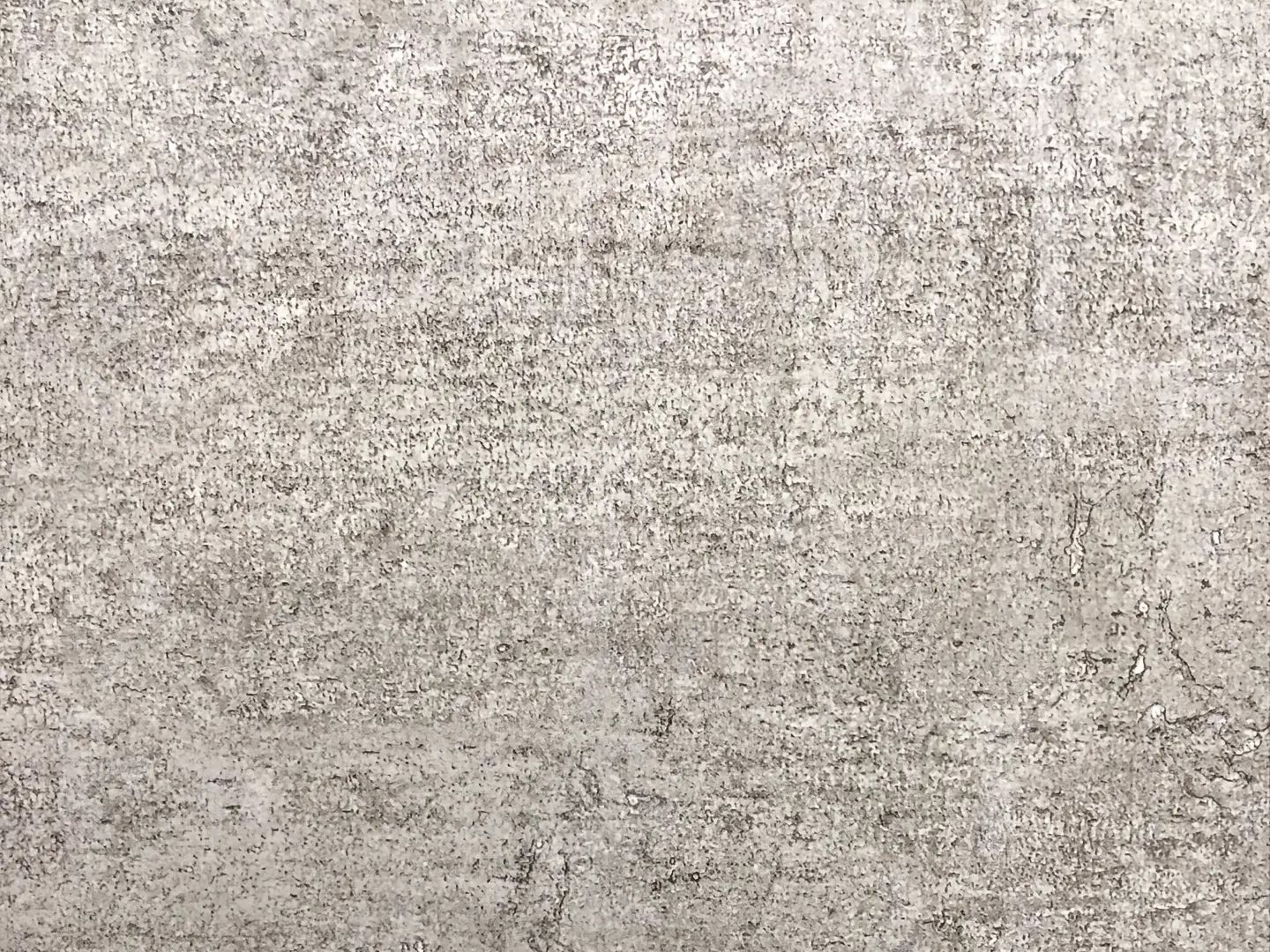
How Large Should the Visual Read?
Pattern scale should respond to panel size and viewing distance.
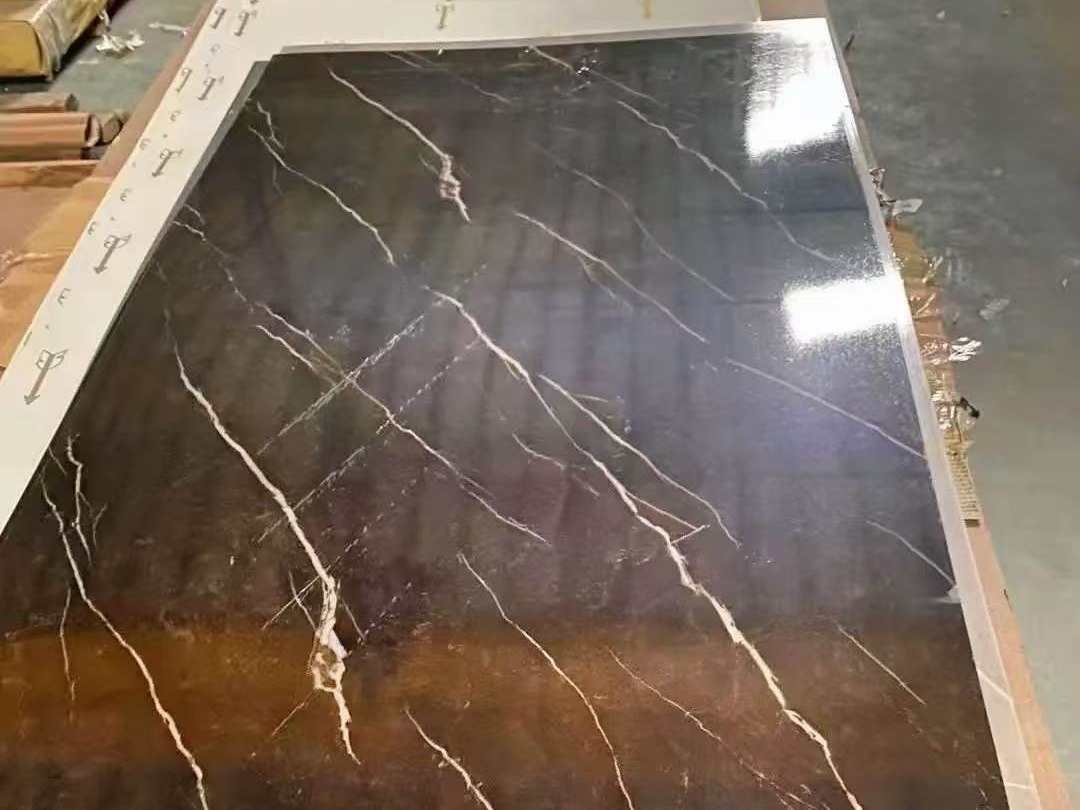
How Strong Should the Effect Appear?
Visual contrast determines whether the surface reads quietly or becomes a feature.
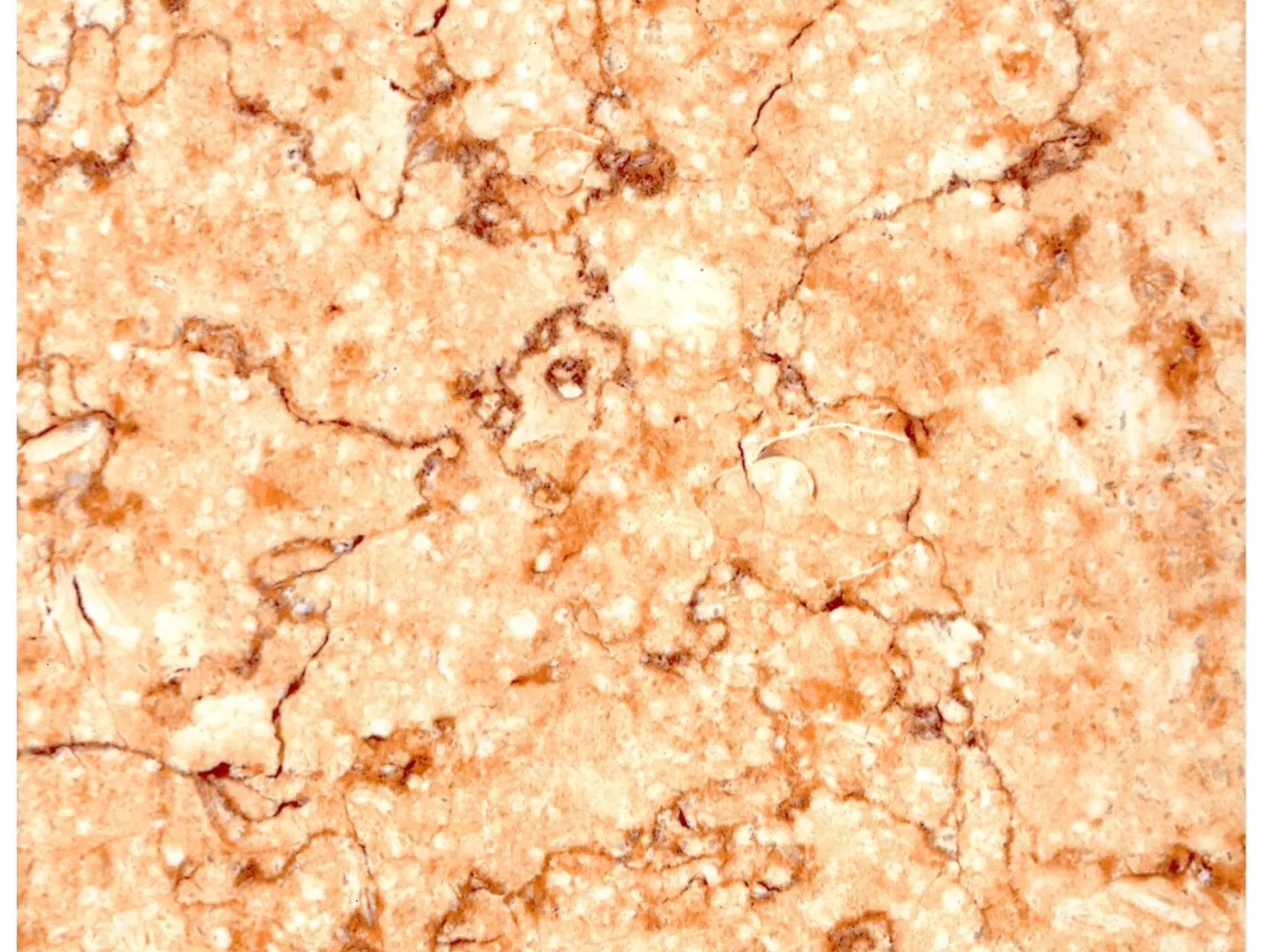
How Should the Palette Translate to Metal?
Screen references should be evaluated physically before final approval.

How Should Stainless Steel Remain Present?
The underlying metal and selected surface treatment remain part of the final material expression.
From Visual Reference to Architectural Panel.
Reference
Image · Material · Artwork · Rendering
Effect Development
Scale · Color · Contrast · Repeat
Physical Sample
Evaluate on Stainless Steel
Panel Development
Translate the Approved Effect into Production
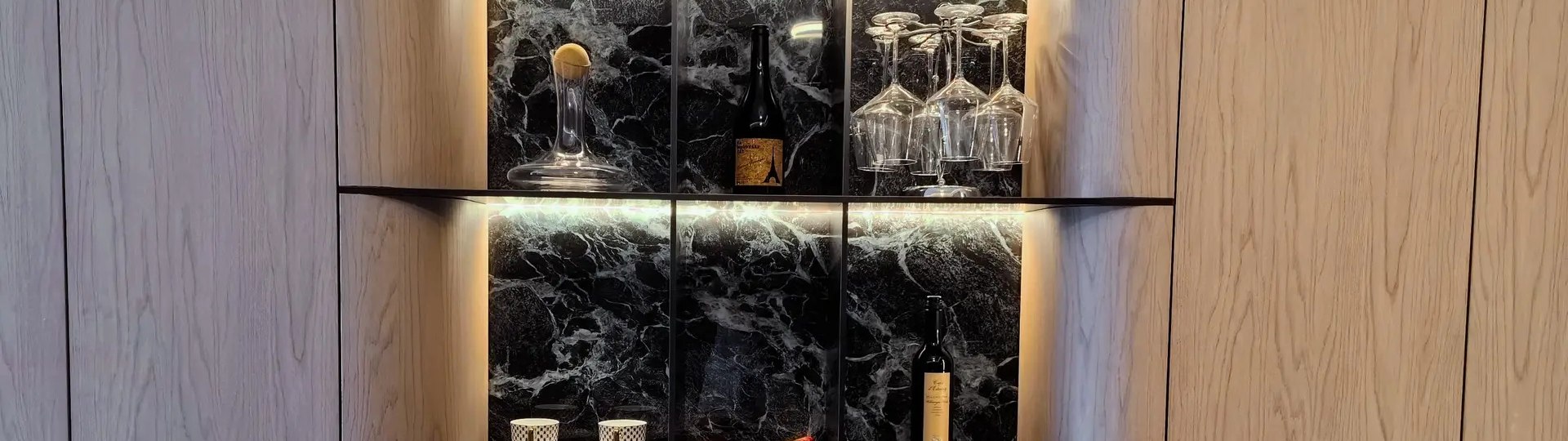
Design Beyond a Single Sheet.
A decorative effect that works on one sample may behave differently across multiple architectural panels. Pattern repeat, visual continuity and panel boundaries should therefore be considered before production.
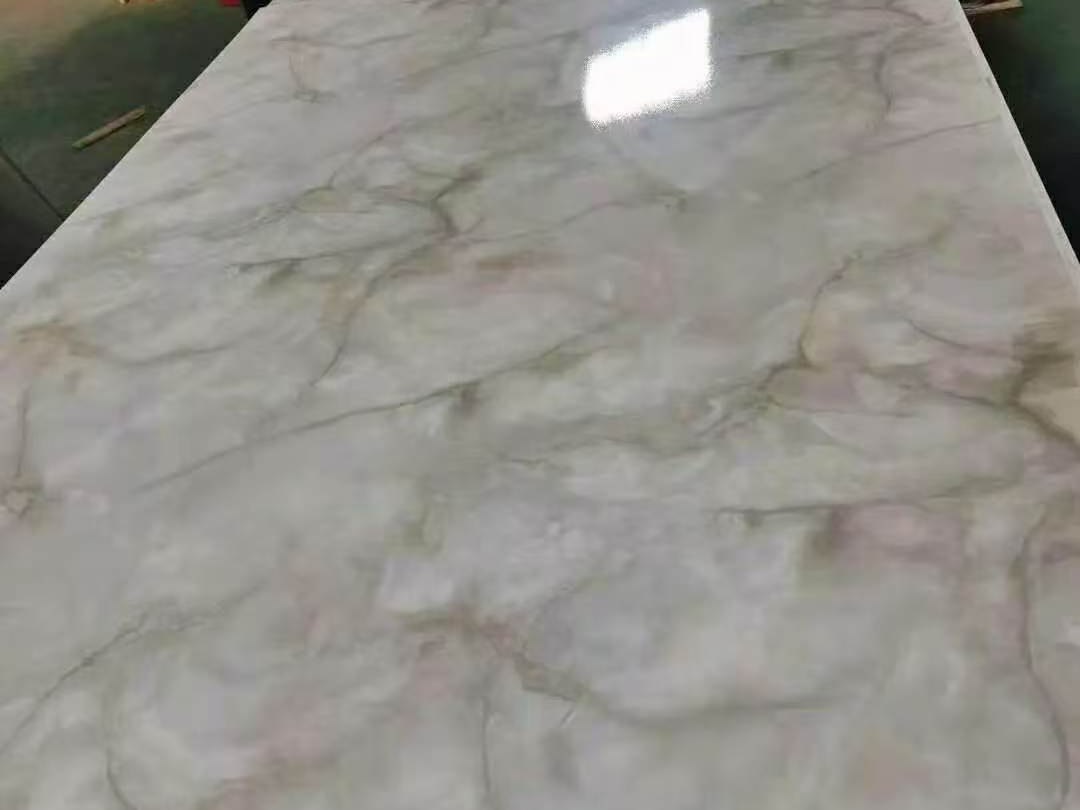
See the Detail
Evaluate color, texture and visual character.
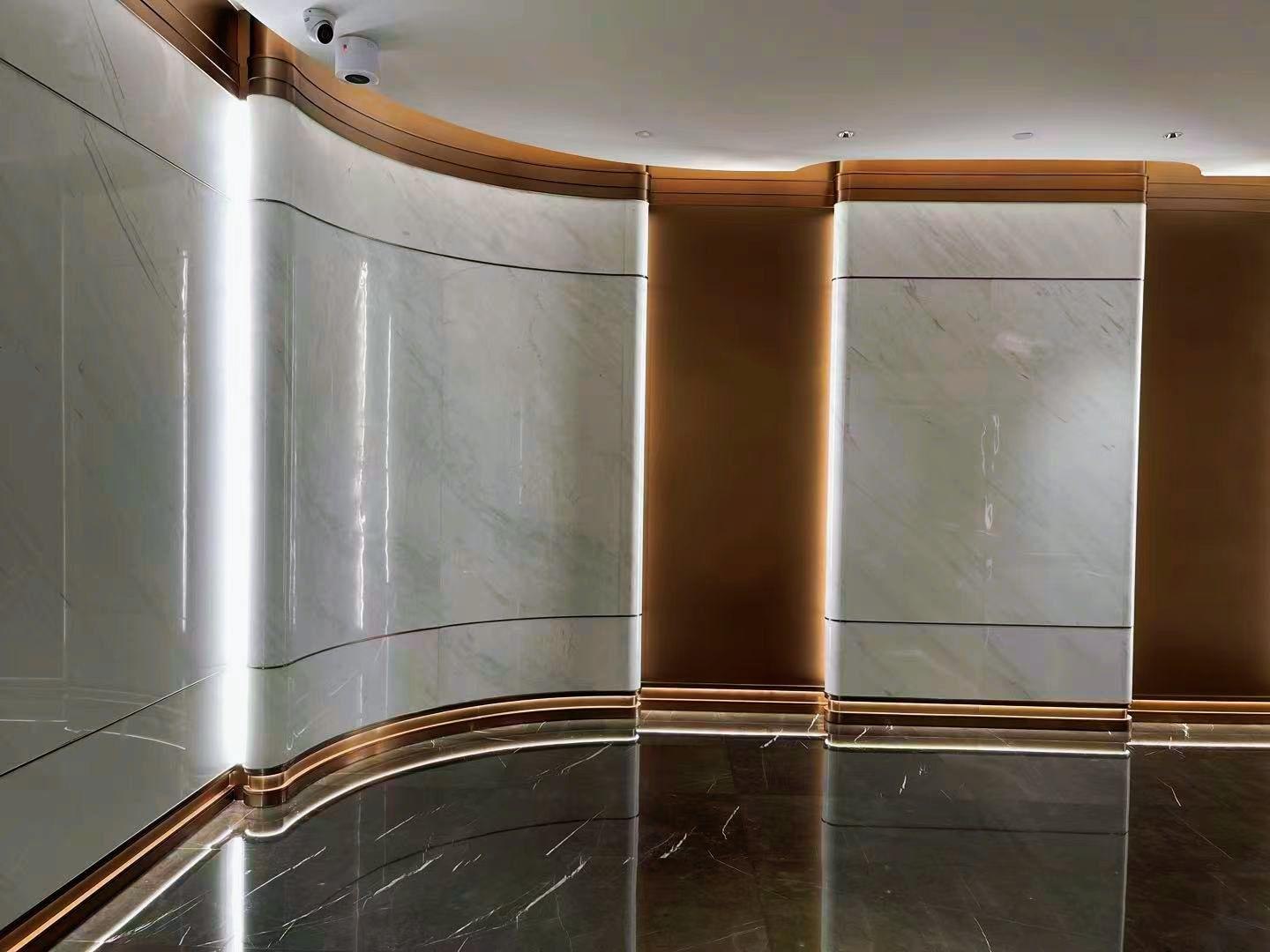
Understand the Composition
Determine how the effect reads across the complete sheet.
Control the Rhythm
Consider repeat, orientation and transitions across adjoining architectural panels.
Visual Effects at Architectural Scale.
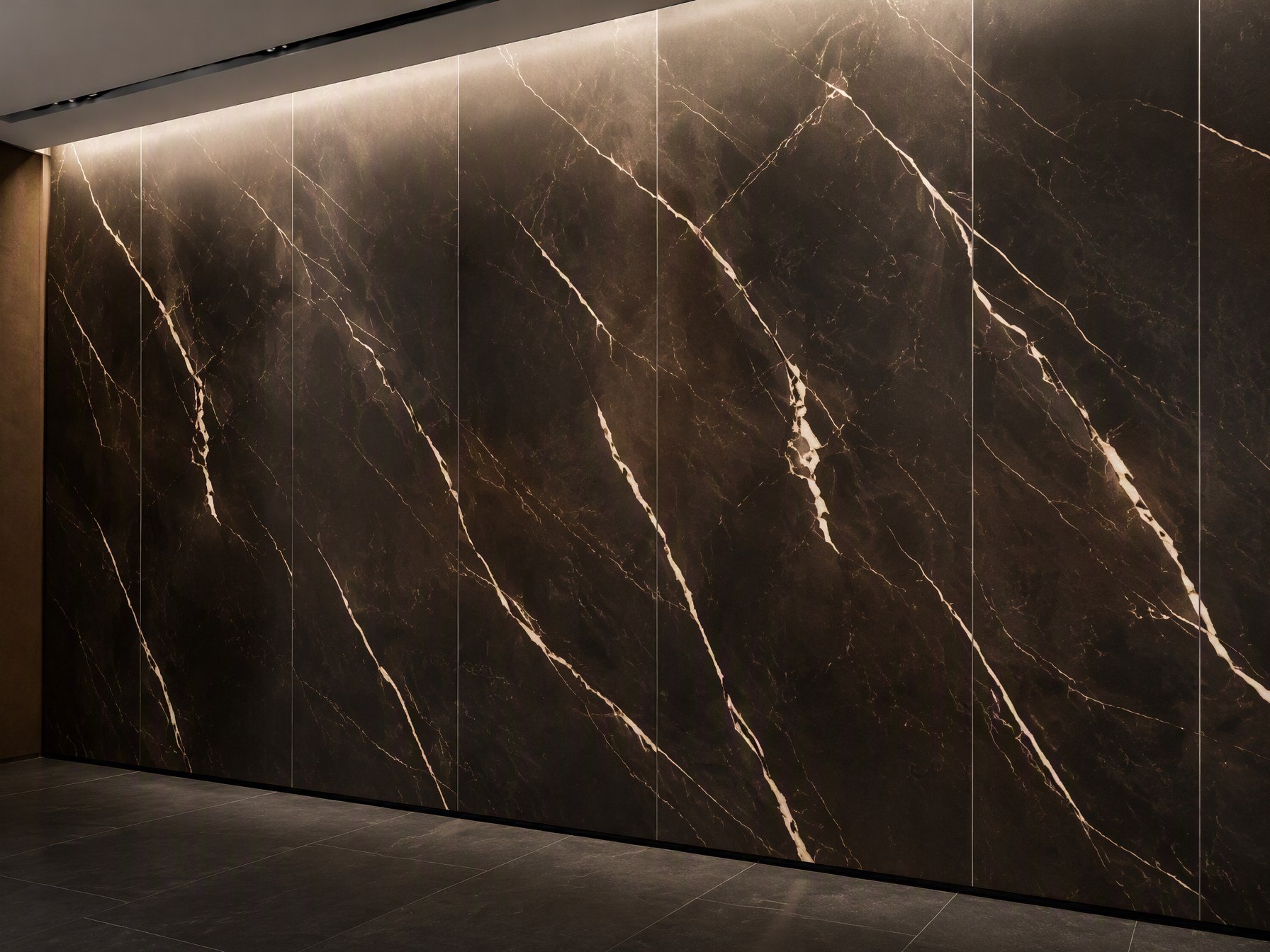
Continuous Visual Surface
Material-inspired effects can give large wall planes a warmer or more graphic identity.
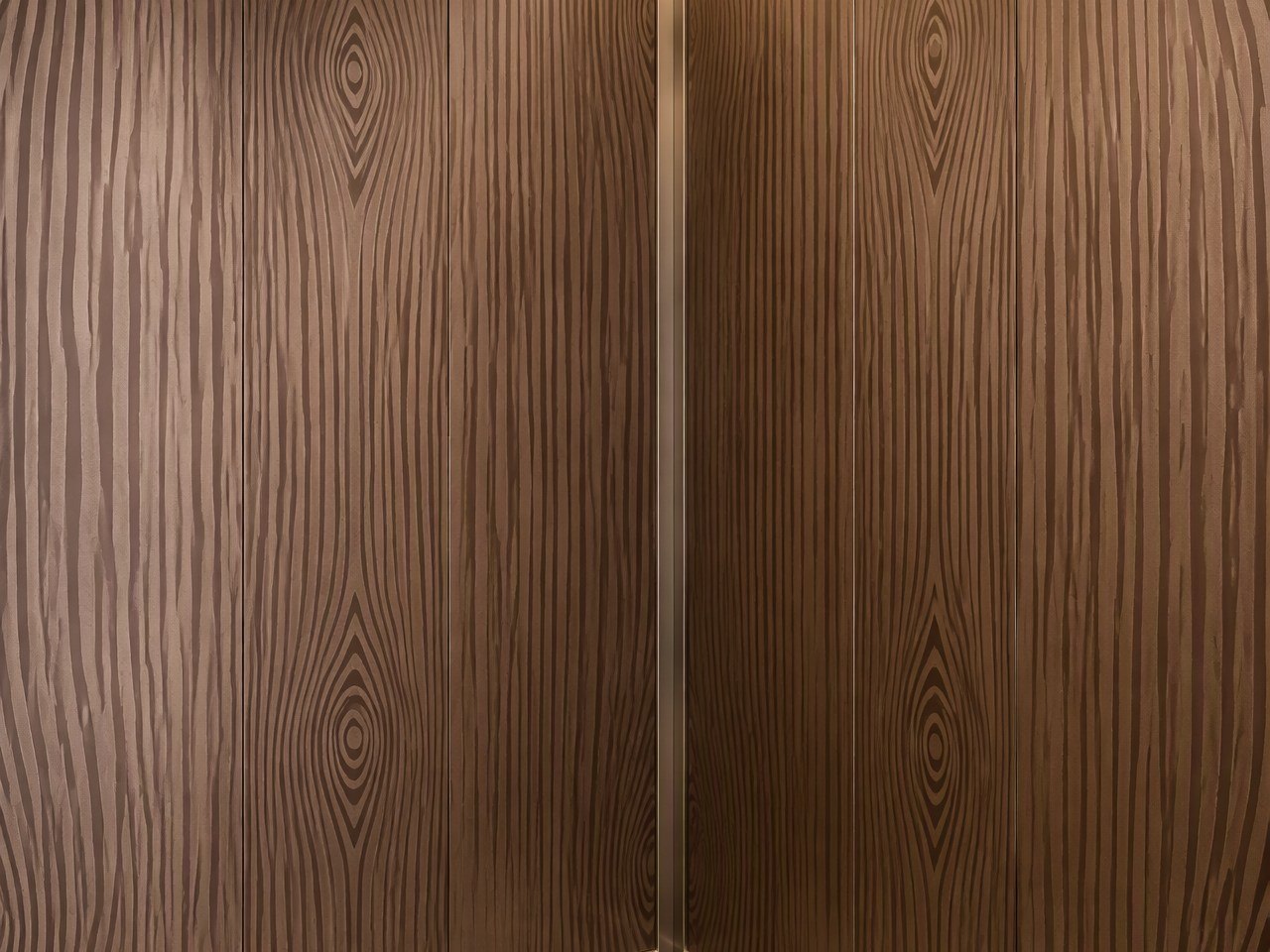
Close-Range Detail
Printed effects introduce visual character within highly controlled interior metal surfaces.
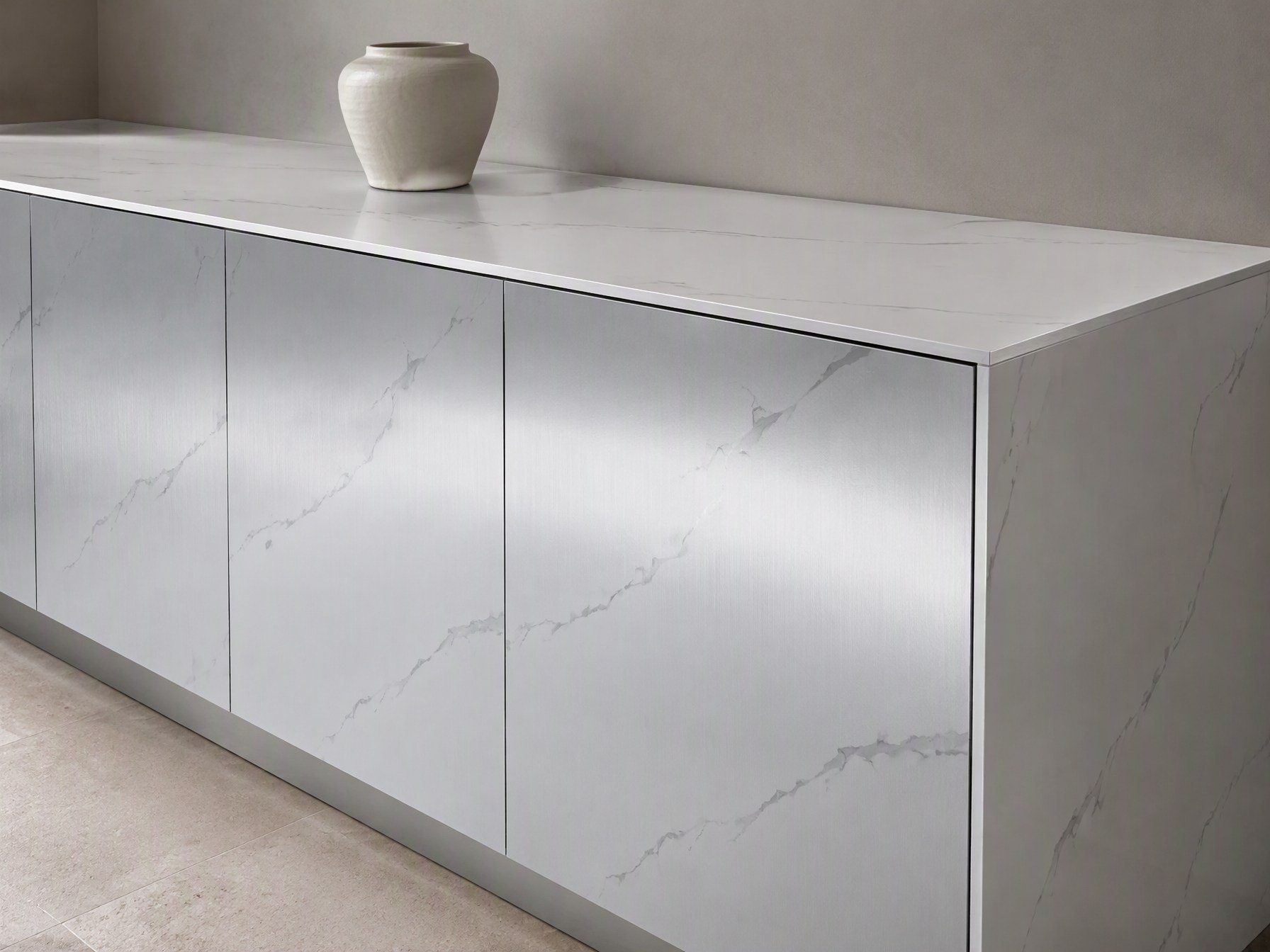
Material Appearance + Metal Fabrication
Stainless steel components can adopt warmer visual effects while retaining metal as the fabrication base.
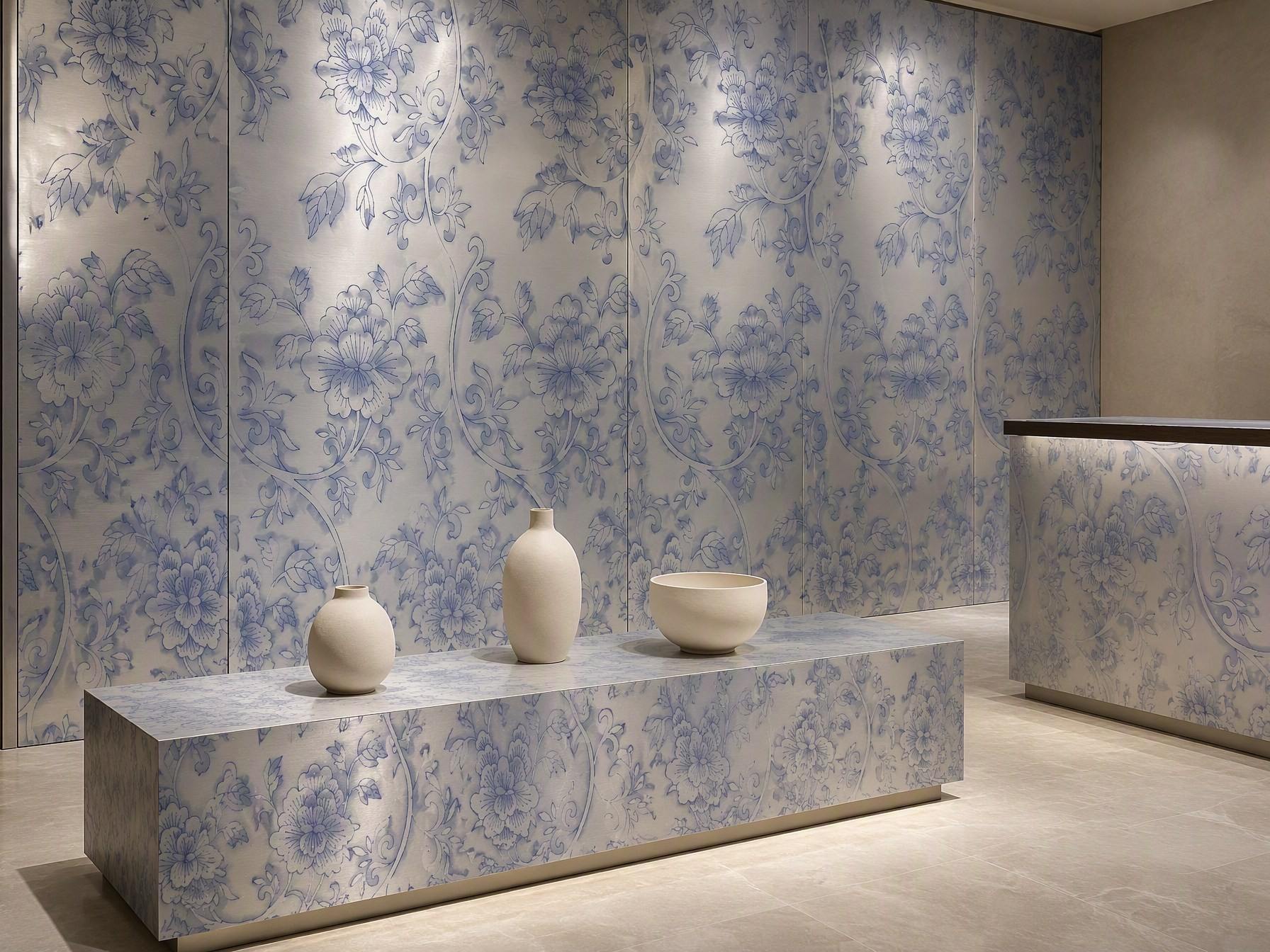
Brand-Led Expression
Graphic effects can support distinctive retail and display environments.
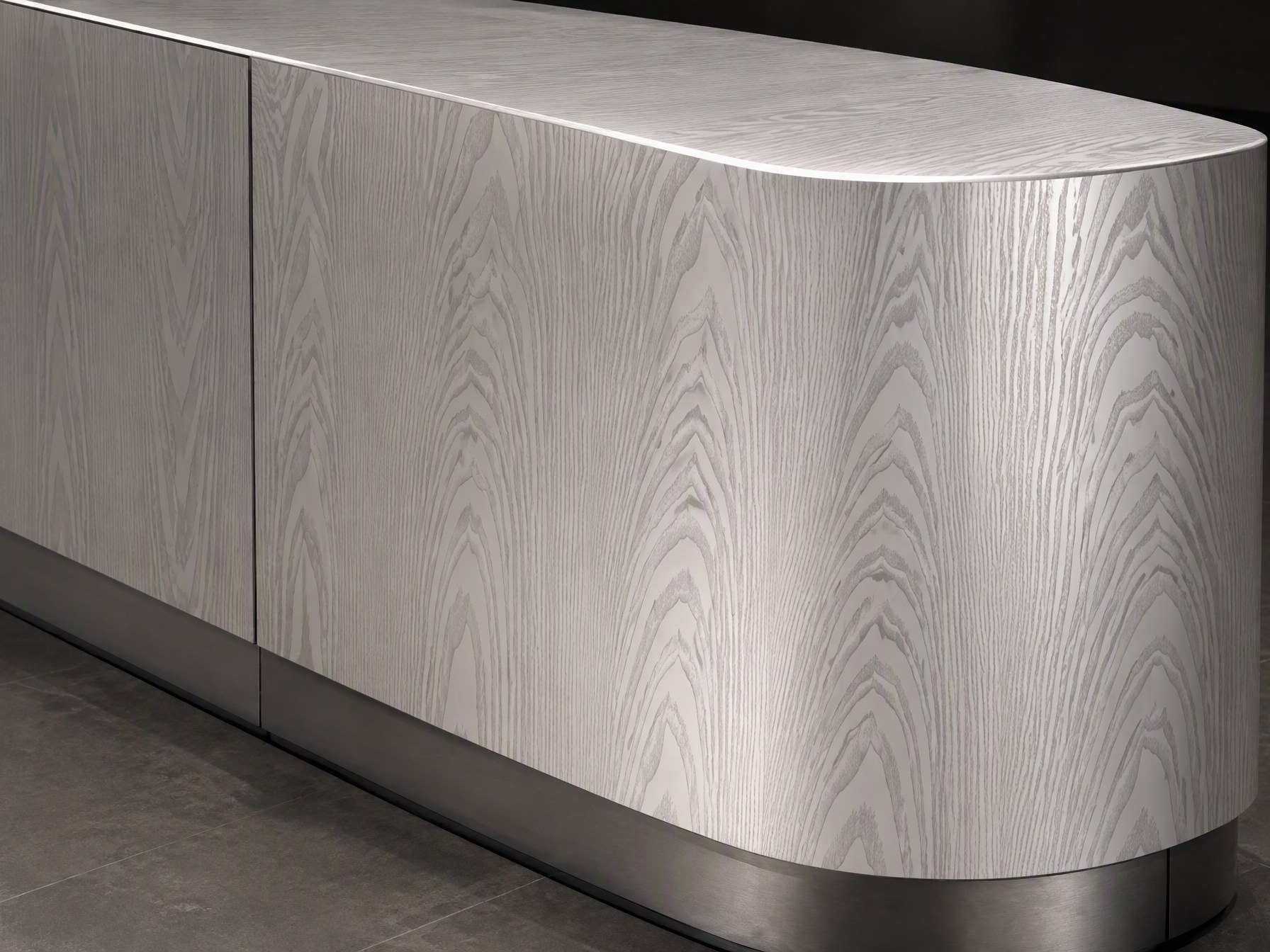
Project-Specific Surface
Counters, storage, feature panels and custom components can be developed around a coordinated visual reference.
Developing an Interior Scheme?
Send the space, the viewing distance and the visual character you are aiming for, and we will help identify the appropriate printed or transferred surface.
The Visual Effect Has to Work Through the Detail.
Printed and transferred stainless steel often continues through cutting, bending and component fabrication. Pattern orientation, visible faces, edges and adjoining panels should therefore be considered before the effect is finalized.
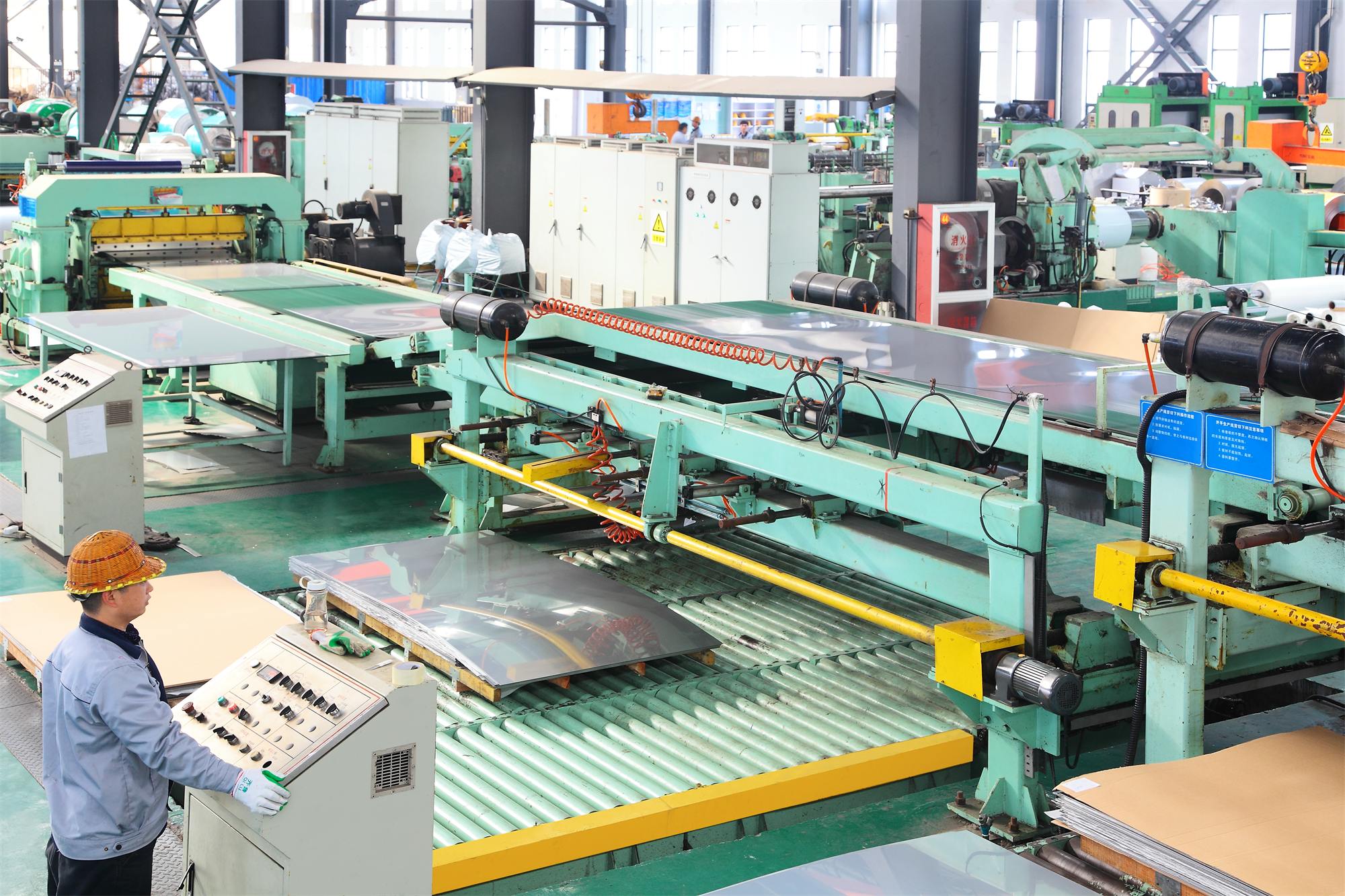
Direction Matters
Coordinate grain or visual movement with the finished component.
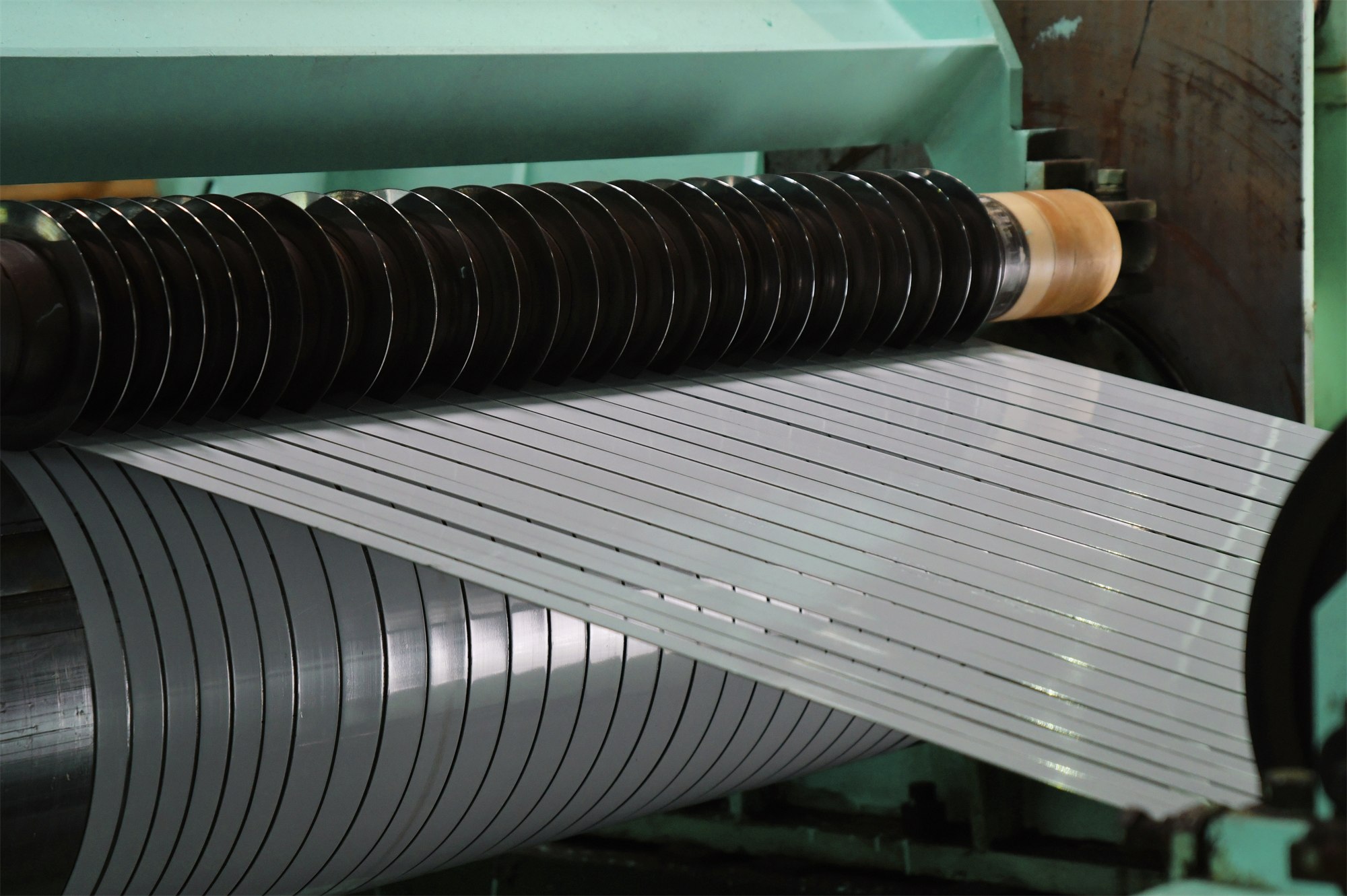
Effect Across Joints
Consider how visual continuity behaves between adjoining panels.
Composition × Geometry
Position important visual features around the final cut dimensions.
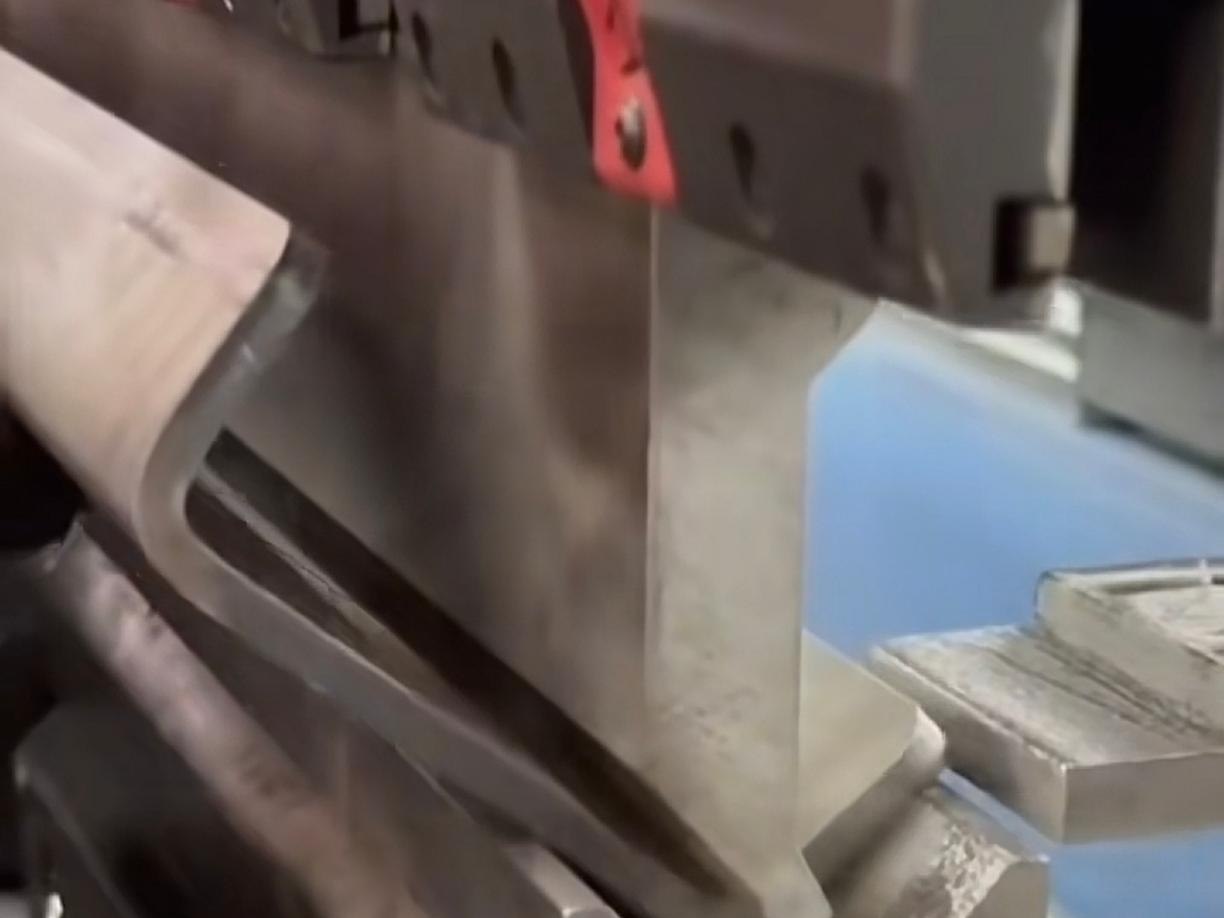
Image Through Form
Evaluate how the effect transitions across folds and visible returns.
The image follows the component, not the other way round. Orientation, panel joints, cut lines and visible returns are resolved at drawing stage — that, not the printing process alone, is what decides whether the effect survives fabrication.
Specification at a Glance.
| Specification | Printed & Transferred Stainless Steel |
|---|---|
| Technique | Cold Rolled / Printed or Transferred Effect |
| Effect Options | 3D Printed Texture Effect / Transfer Printed Pattern |
| Thickness | 0.3–3.0 mm |
| Width | 10–1500 mm |
| Length | 300–6000 mm |
| Recommended Grade | 304 / 316L / 201 |
| Thickness Tolerance | ±0.01 mm |
| Width / Length Tolerance | -0 / +0.2 mm |
| Surface Roughness | N/M |
| Color Difference | N/M* |
| Fire Rating | A1 |
| Flatness | Technical confirmation required |
| Packing | PVC Film + Waterproof Paper + Wooden Box |
304 — Interior Architectural Applications
Commonly considered for interior wall panels, elevators, cabinetry and bespoke elements.
316L — Project Environment
Consider where greater corrosion resistance is required by the intended environment.
201 — Project-Specific
Available for appropriate applications subject to evaluation.
Final visual effect, color and repeat should be established through approved physical sample.
Approve the Effect on Stainless Steel.
Screen images cannot fully represent how color, scale and visual texture will appear on metal. Physical samples allow the effect to be evaluated together with the selected stainless steel surface before production.
Reference
Image / Material / Artwork.
Develop
Scale / Color / Repeat.
Sample
Evaluate on metal.
Approve
Establish production reference.
Printed & Transferred Stainless Steel FAQs
Printed stainless steel is a decorative metal surface developed with visual effects, graphics or material-inspired imagery applied to stainless steel for architectural and interior applications.
Printed and transferred effects introduce image, color and visual texture onto the surface, while etched stainless steel primarily creates pattern through controlled surface contrast. The appropriate approach depends on the intended visual expression and project requirements. Etched Decorative Stainless Steel →
Yes. Timber- and stone-inspired visual effects can be developed on stainless steel. Final appearance should be evaluated by physical sample because scale, color and the underlying metal influence the result. Effect Directions →
Project artwork, imagery, renderings or material references can be evaluated for custom development. Image quality, scale, repeat and panel dimensions should be reviewed before production. Custom Effect Development →
Pattern scale, orientation, repeat and panel boundaries should be coordinated during development so the effect is considered across the complete architectural surface rather than as isolated sheets. Scale & Repeat →
Printed or transferred stainless steel can be developed into fabricated components, but pattern orientation, cutting positions, folds and visible returns should be evaluated according to the selected process and final geometry. Design & Fabrication →
Yes. Physical sampling is recommended to confirm color, scale, visual texture and overall appearance on stainless steel before establishing the production reference.
Explore Related Surfaces
Image can be produced many ways. What changes is how the surface is created.
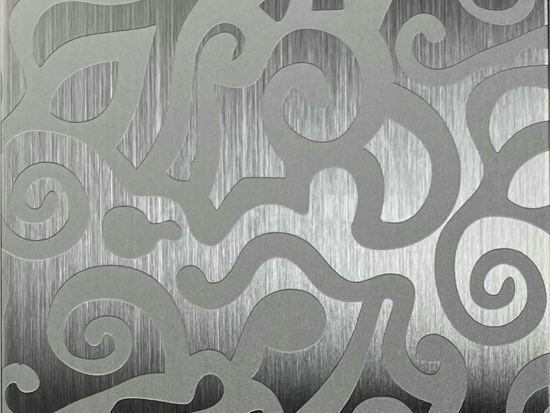
Pattern Through Contrast
The pattern is held in the surface as controlled contrast between etched and unetched areas. Explore Etched →

Metallic Color
Metallic tone is deposited onto the surface to change how a design reads. Explore PVD Color →
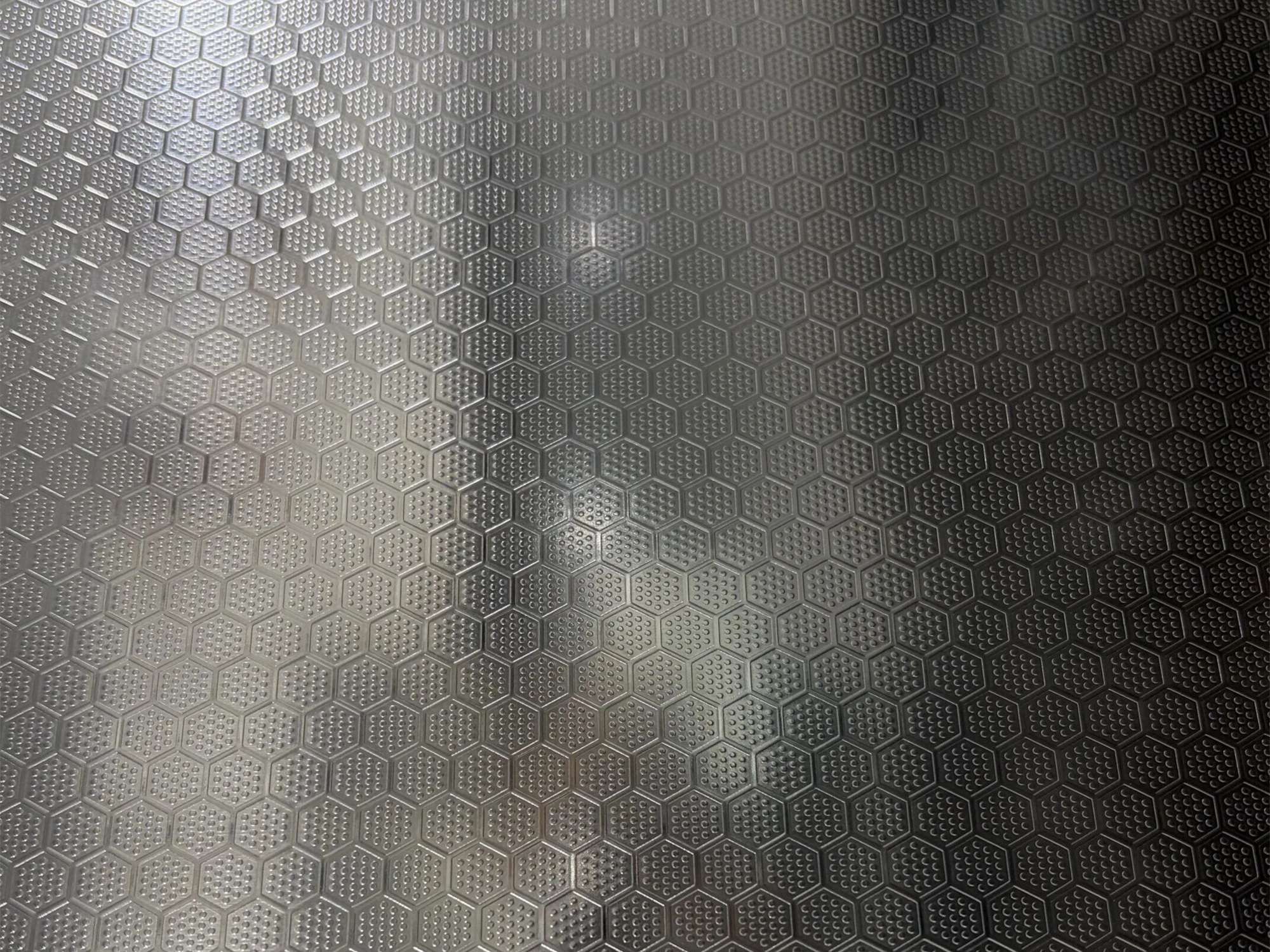
Texture Through Depth
The pattern is formed by physical relief rolled into the surface. Explore Embossed →
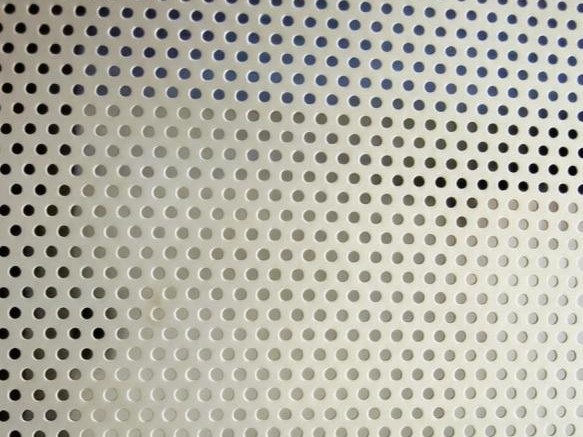
Pattern Through Transparency
The pattern is formed by openings that pass through the sheet. Explore Perforated →
Printed = image. Etched = contrast. Embossed = depth. Perforated = transparency. PVD = color. Five different ways of turning a visual idea into architectural metal. View All Products →
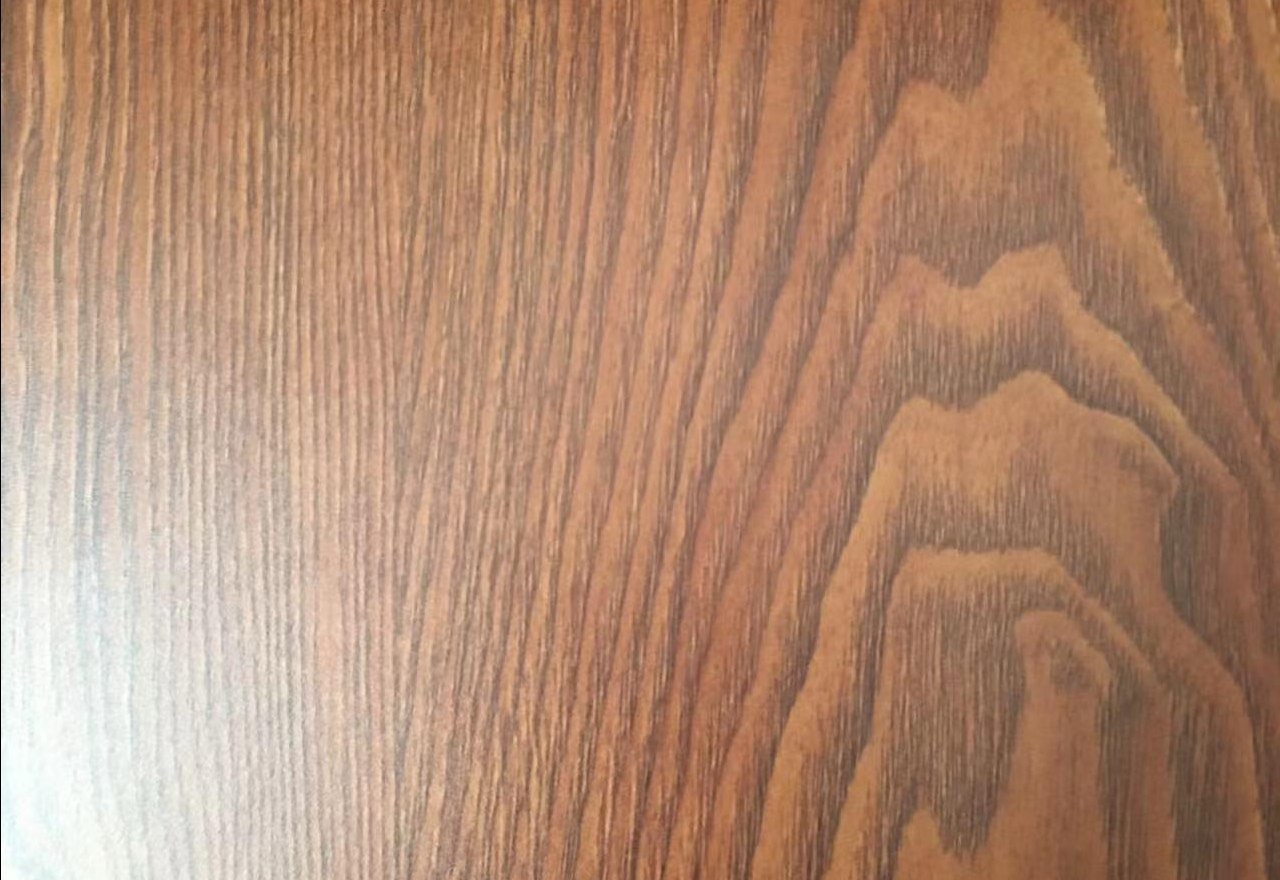
Bring Us the Visual. Develop It in Metal.
Share your material reference, artwork, rendering or visual concept. Our team can help evaluate scale, color, repeat and fabrication requirements before developing a stainless steel sample.
Send Your Reference Request a Sample
Reference Material → Stainless Sample → Finished Interior