PVD Color Consistency for Architectural Stainless Steel: Controlling Color Variation Across Facade Panels
- Share
- publisher
- MetalMagus (HANDYOU Stainless Steel)
- Issue Time
- Sep 1,2026
Summary
PVD color consistency is the difference between a facade that reads as one surface and one with visibly mismatched panels. This guide explains why PVD panels vary (substrate roughness, coating drift, batch differences), how ΔE is measured, and how MetalMagus holds color difference to ΔE < 1.0 - measured per batch with a spectrophotometer. Includes supplier questions and FAQ. From MetalMagus (HANDYOU Stainless Steel), 58,000 m2 PVD manufacturer, exporting to 60+ countries since 2001.
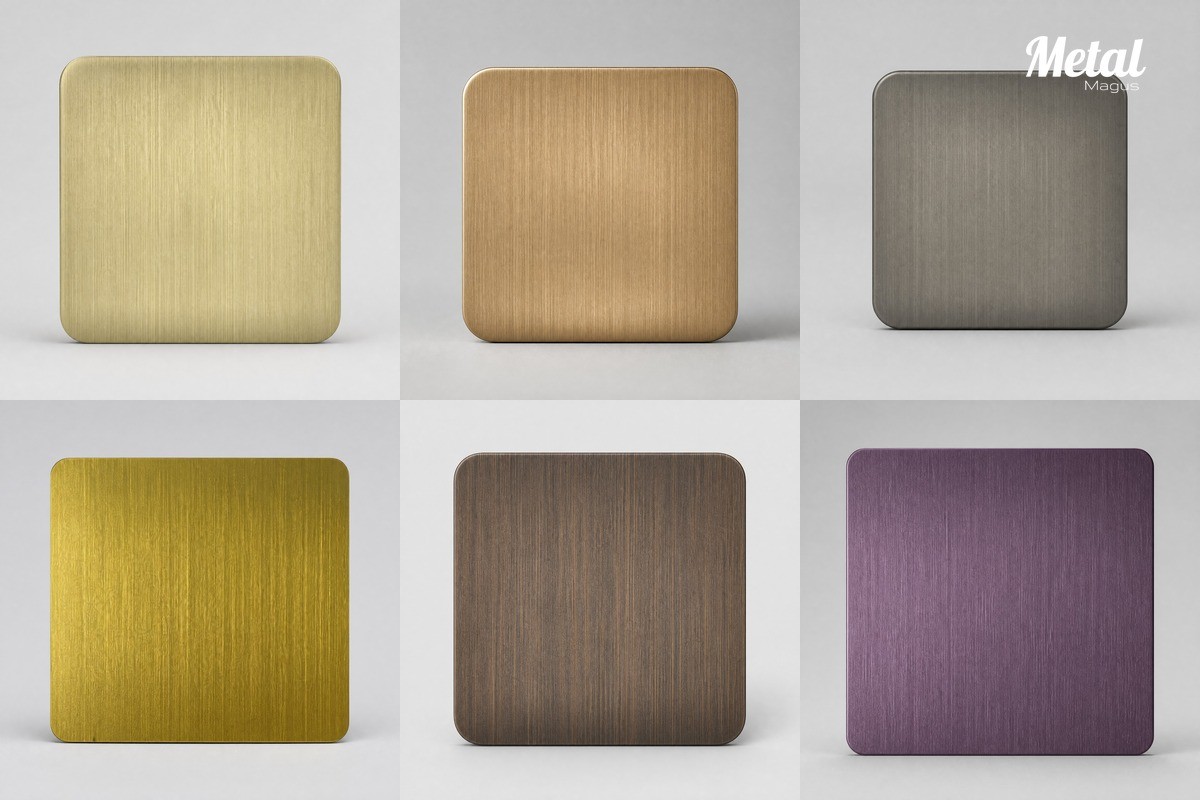
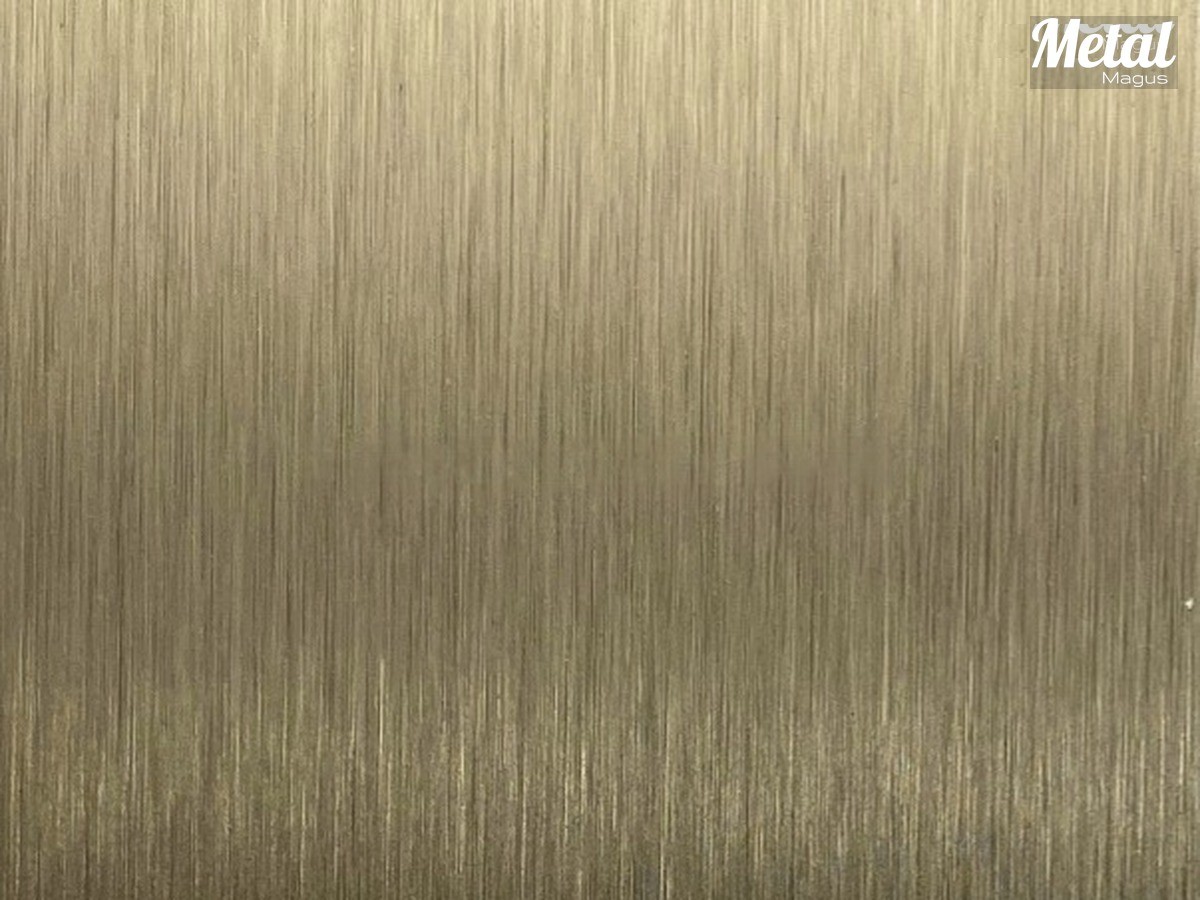
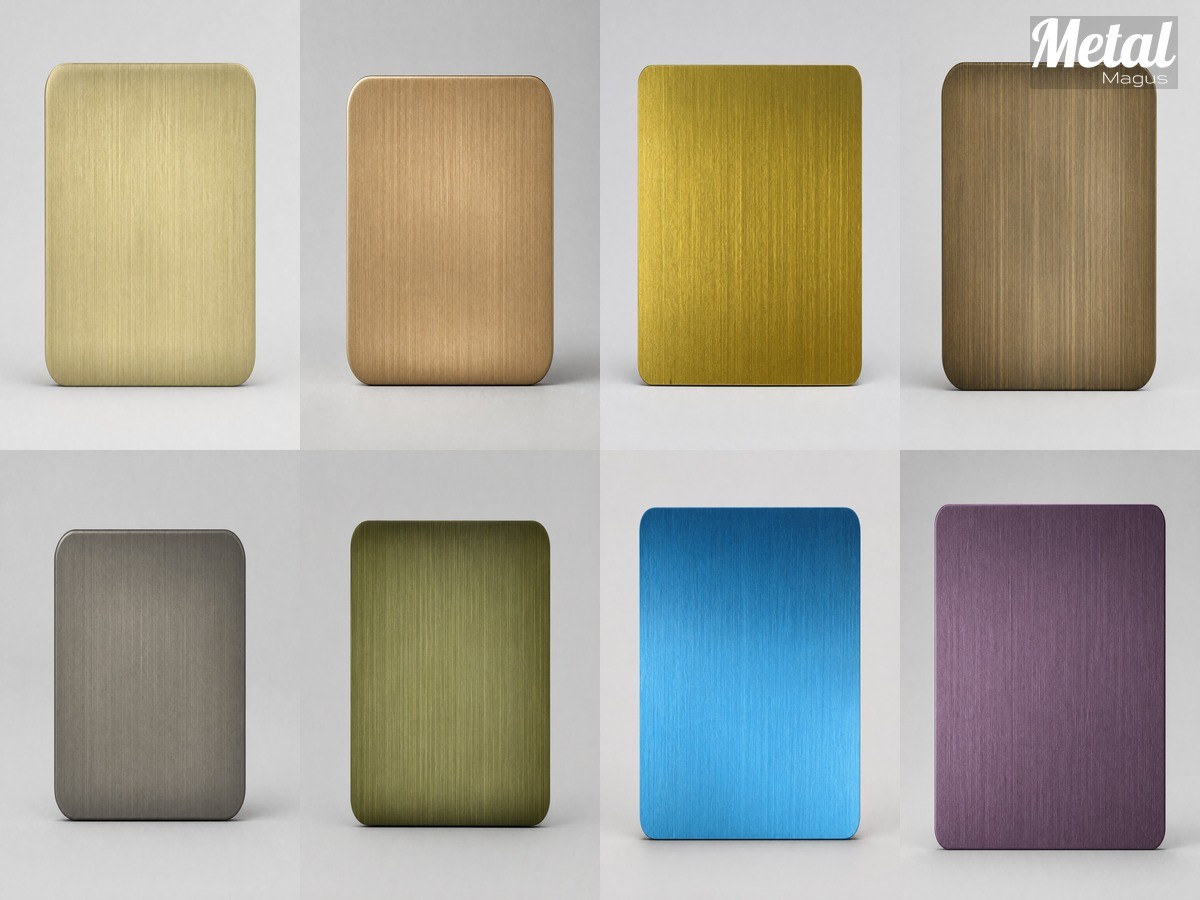
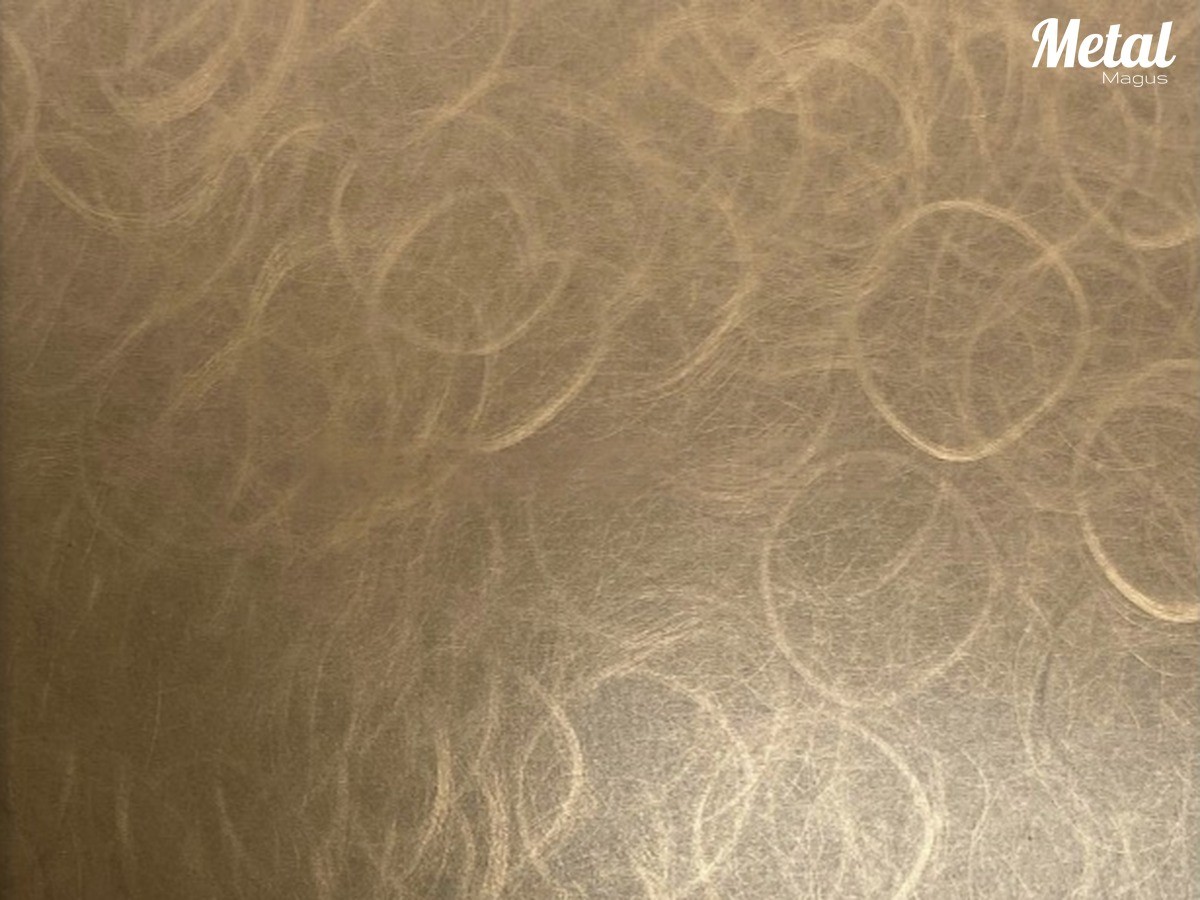
PVD — Physical Vapor Deposition — is a vacuum coating process that deposits an extremely thin, dense film of metal compounds onto a substrate, atom by atom. On architectural stainless steel, the film is typically a metal nitride or carbonitride — titanium nitride (TiN), zirconium nitride (ZrN), titanium carbonitride (TiCN) — and its exact composition and thickness determine the final color. For architectural facades, the practical color tolerance is ΔE < 1.0 — measured per batch against an approved reference with a spectrophotometer, not judged by eye. That single number is what separates a facade that reads as one surface from one where adjacent panels visibly differ. By adjusting the coating recipe, manufacturers produce a stable architectural palette: champagne gold, rose gold, gold, bronze, gunmetal, black, blue and violet, among others. Because the color comes from an inorganic film rather than an organic paint, it does not rely on pigments that can break down under UV exposure — one of the main reasons PVD finishes are specified for building exteriors. For facade applications, PVD color is most often applied over a brushed (hairline) or satin stainless steel base. This combination keeps the subtle texture architects want on large surfaces while adding a durable color layer. Mirror-polished PVD panels are also produced, but they are normally limited to small interior accents: on large exterior surfaces, a mirror base amplifies every surface imperfection, which makes color and reflectivity variations far more visible. Stainless steel facade panels — with or without a PVD film — are classified A1 non-combustible, which is one reason architects specify them for high-rise cladding. And because the base material is 304 or 316L stainless steel, the panel retains its corrosion performance; 316L adds extra resistance in coastal and high-pollution environments. A facade is read as one surface. When panels sit side by side across a tower or curtain wall, the human eye compares adjacent panels directly — and it notices even small differences. A slightly warmer champagne gold on panel 47 next to a cooler tone on panel 48 does not look like a design feature; it looks like a defect. Three practical realities make this risk real on almost every project: The commercial consequence is simple: color mismatch leads to rework, replacement, schedule delays and cost overruns — and it damages everyone in the chain: the supplier, the fabricator and the contractor. That is why serious suppliers treat color control as a production discipline, not an afterthought. Color variation in PVD stainless steel almost always traces back to one of three sources. PVD is a thin film — it reveals what is underneath. If the brushed finish is uneven, if surface roughness (Ra) varies from panel to panel, or if scratches and contamination survive into the coating chamber, the coating will read as a different color even when deposition parameters are identical. This is why substrate control comes first. At MetalMagus, brushed surfaces are held to Ra ≤ 0.3 μm before any PVD coating takes place. Color is set by the deposition conditions: chamber temperature, gas pressure, deposition time and the condition of the coating targets. Small process drift between runs changes the film slightly — a fraction of a degree or a few seconds of deposition can shift the tone. In a well-run factory, every parameter is logged per batch, so the coating team can reproduce an approved standard instead of matching color by eye. Even with identical parameters, two production runs are never perfectly identical. Responsible suppliers plan around this reality: they produce large projects in as few runs as possible, retain reference panels from the approved batch, and measure every subsequent batch against the standard with a spectrophotometer before panels leave the factory. Color difference is expressed as ΔE, a single number calculated from the CIELAB color space — L* for lightness, a* for the green–red axis and b* for the blue–yellow axis. The lower the ΔE between two panels, the closer their colors. For architectural work, what matters is what the eye can actually see: The ranges above are standard CIELAB perception guidance used across the color industry; they are not a single manufacturer's claim. The practical takeaway for specifiers: for premium facade work, require ΔE < 1.0 — and ask the supplier to prove it by measurement, per batch, with a spectrophotometer, rather than relying on visual approval alone. Consistent color is the result of consistent process. At our 58,000 m² facility, PVD color control is built into four stages: Two further points are worth understanding about how a PVD supplier like MetalMagus operates at scale. First, our 20+ production lines and 210+ staff allow a single project to be planned as one coherent production campaign — the fewer runs a project spans, the fewer color transitions there are to manage. Second, with 60+ export countries since our founding in 2001, our teams are used to the documentation, packaging and communication standards that export projects require — including sample approval before mass production. The result is a guarantee that can be stated as a number, not a slogan: color difference across PVD panels held to ΔE < 1.0, measured per batch against an approved reference. Before you commit a facade project to a PVD finish, put these questions to the supplier: It means the color difference between approved PVD panels is below the threshold the human eye can perceive under normal viewing conditions. For a facade, this is the practical definition of "the panels all look the same." Yes, if the supplier measures each batch against an approved reference. The color will not be identical to the molecular level — no supplier can honestly promise that — but a factory that logs coating parameters and measures every batch with a spectrophotometer can hold ΔE below 1.0 across runs. PVD films are inorganic, hard and resistant to UV degradation, which is why they are used on building exteriors. Durable does not mean indestructible: surface wear, local damage and environmental soiling are still possible, which is why substrate quality, correct specification and maintenance matter. PVD is a vacuum-deposited inorganic film applied to stainless steel, so it keeps the metal's A1 non-combustible rating and metallic look. Powder coating is an organic polymer layer that is thicker, lower cost and available in a wider color range, but it can chalk and fade over time under UV. For stainless steel facades where the metallic aesthetic and fire performance matter, PVD is usually the preferred finish. Yes. Pre-production samples are standard practice for architectural projects, and we recommend approving a physical sample before mass production begins. Ready to specify PVD color panels for your project? Send your project size, color reference and substrate requirement to our sales team for a quote — standard lead time is 10 days from order confirmation. We will confirm the finish specification, arrange a physical sample for approval and document the ΔE measurement for every batch. Get a Quote Contact Our Sales Team Related: how to choose stainless steel surface finish · 304 vs 316L stainless steel · PVD color coated stainless steel sheetsWhat Is PVD Color Coating on Stainless Steel?
Why Color Consistency Is Critical in Facade Projects
Why PVD Panels Differ: The Three Root Causes
Substrate Preparation

Coating Process Conditions
Batch-to-Batch Variation
How Color Difference Is Measured: ΔE in Plain Terms
ΔE range What the eye perceives Typical use < 1.0 Not perceptible under normal viewing conditions Premium facades, brand-critical projects 1.0 – 2.0 Detectable only on very close inspection General architectural panels 2.0 – 3.0 Noticeable when panels sit side by side Interior, non-critical areas > 3.0 Clearly visible mismatch Not recommended for visible facades Factory Control at MetalMagus: How We Keep ΔE Below 1.0
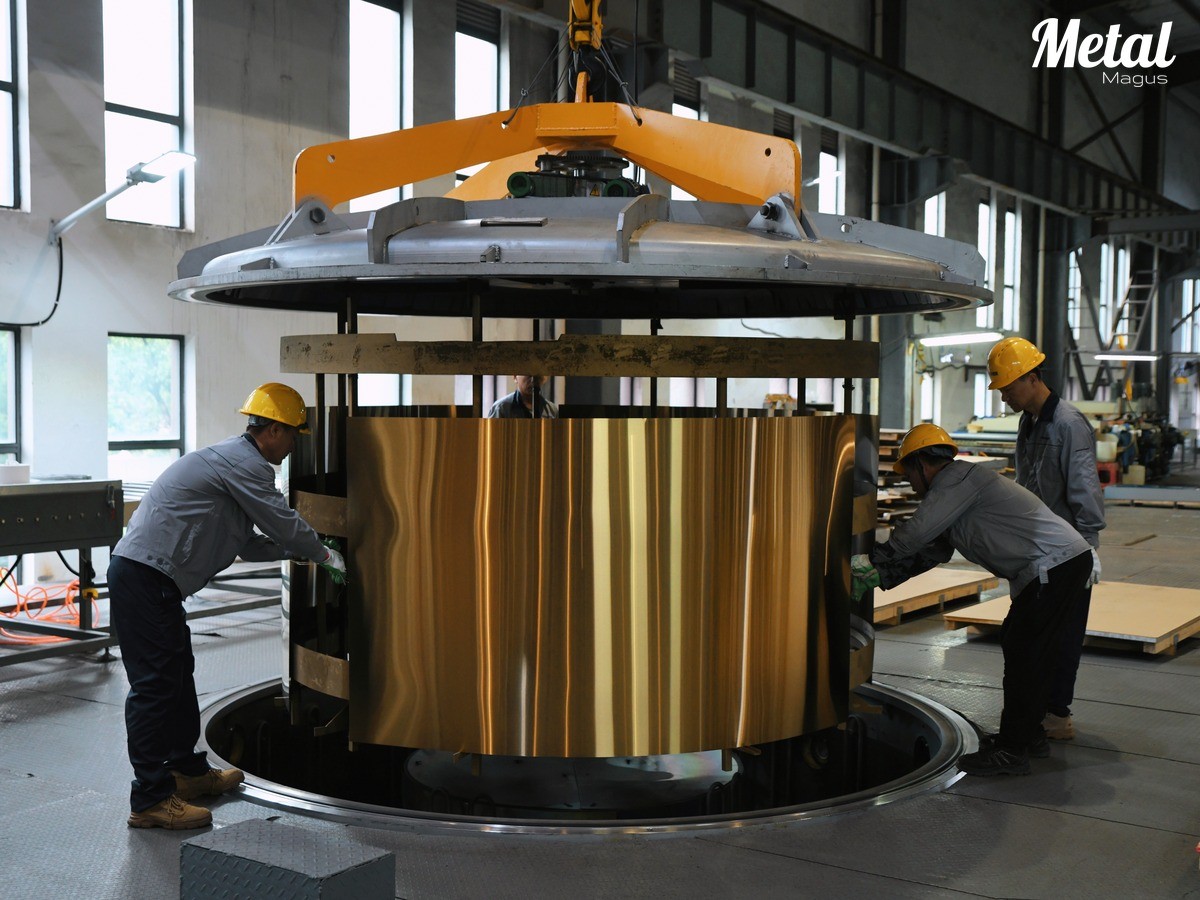
Control point What we do Why it matters Substrate 304 / 316L stainless steel, brushed finish with Ra ≤ 0.3 μm, uniform pre-polish A consistent base means the coating reads as one color Pre-coating cleaning Degreasing and rinsing line before vacuum loading Residual contamination creates cloudy or patchy color Coating Vacuum PVD on dedicated lines; temperature, pressure and deposition time logged per batch Process drift is the main cause of batch-to-batch variation Quality control Spectrophotometer measurement of every batch; ΔE checked against the approved standard; reference panels retained Objective numbers replace visual judgment 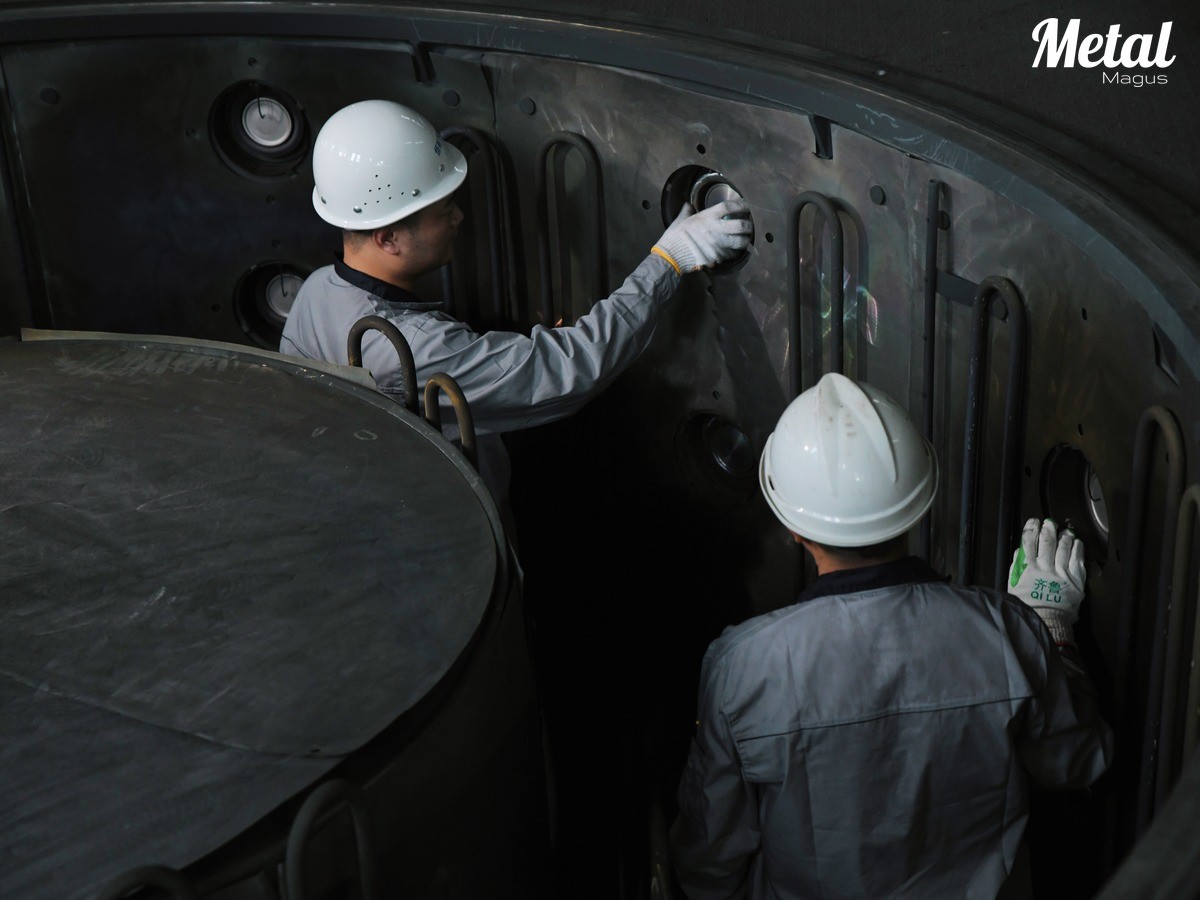
What to Ask Your Supplier Before Specifying PVD Color
Frequently Asked Questions
What does ΔE < 1.0 mean for my project in practice?
Can you match PVD color between different production batches?
Is PVD color coating durable enough for outdoor facades?
How does PVD color compare to powder coating for facades?
Can I receive a physical color sample before ordering?
Get a Quote